
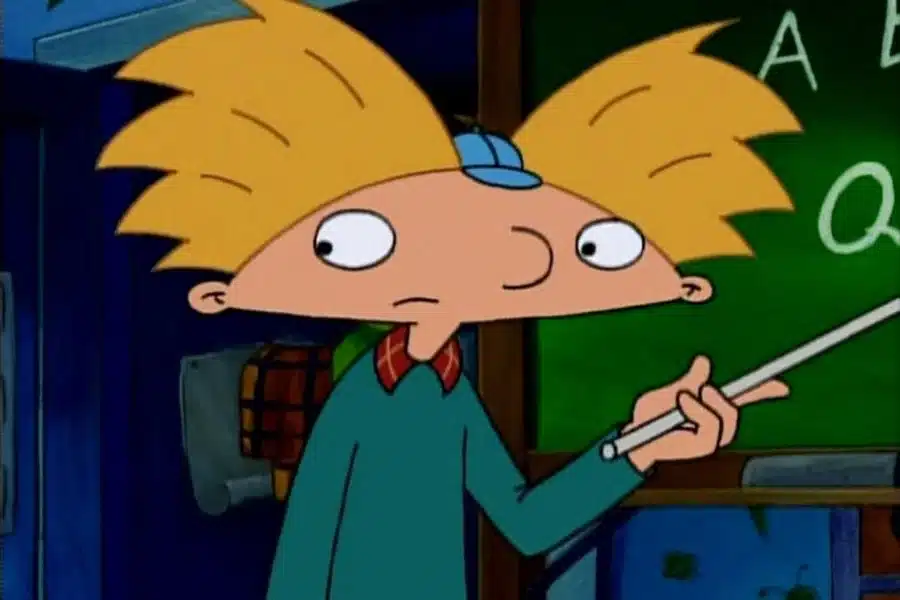
Asking which character from Hey Arnold matches you is more than a nostalgic game. It blends memory with identity, reminding many of the afternoons spent watching stories set on lively city blocks, in a warm boarding house, and around a familiar schoolyard. Those settings felt lived in, and the people who filled them carried both flaws and kindness. That is why this question continues to attract attention. It offers a friendly way to explore who you are through personalities that feel real and compassionate.
Why People Keep Asking Which Character They Are
The pull of this question lives at the intersection of personal history and present-day self-understanding. Viewers who grew up with the show can still picture the neighborhood rhythms, the chatter of friends, and the steady pulse of community life. The stories were built around feelings and decisions that almost everyone recognizes. This familiarity makes it easy to see parts of ourselves in the characters, and to notice how our perceptions evolve as we grow older.
Another part of the appeal is that the show treated emotions with respect. It never spoke down to its audience. Instead, it invited them into situations where choices mattered, mistakes had consequences, and relationships were tested. Asking which character matches your personality becomes a playful gateway into questions like how you handle stress, how you treat friends, and what you value when things get complicated. In that way, a simple game becomes a starting point for gentle reflection.
How Personality Traits Shape Your Match
People often land on a character based on how they react to the world, not just what they prefer in a story. Consider these core tendencies and see where you recognize yourself:
- Arnold: Calm, supportive, and guided by a steady moral compass. He listens before acting and tries to find fair solutions. If you believe in second chances and step in to help even when it is tough, his outlook may feel like home.
- Helga: Bold, guarded, and quick with wit. She covers tenderness with sarcasm and strength, working hard to protect a deeply caring heart. If you feel things strongly yet struggle to show it, you may recognize her protective armor.
- Gerald: Charismatic, social, and loyal. He is a storyteller who brings people together and backs up his friends. If you thrive in group settings and enjoy lifting others, his style may mirror your own.
- Phoebe: Thoughtful, loyal, and studious. She prefers quiet contributions, looks for accurate information, and balances empathy with careful thinking. If you enjoy supporting from behind the scenes, her approach may resonate.
- Eugene: Earnest, vulnerable, and open-hearted. He wears his feelings on his sleeve and faces awkward moments with honest effort. If you accept imperfections with a smile and keep trying, his spirit may reflect your own.
- Stinky: Unpretentious, sincere, and straightforward. He may stumble but remains genuine, often revealing a plainspoken wisdom. If you prize honesty over appearances, his presence may feel familiar.
None of these descriptions are boxes. They are starting points for understanding the blend of strengths and struggles that shape how you move through daily life.
Emotions, Growth, and Why Your Match Can Change
Picking a character is not just about labels. It is also about the feelings you are carrying right now. The show regularly explored loneliness, joy, fear, hope, and the courage to try again. Those emotions do not stay fixed throughout life. When responsibilities weigh on you, you might see the world through Arnold’s balanced lens. When you feel misunderstood, Helga’s inner tug-of-war may look familiar. When you are energized and ready to connect, Gerald’s rhythm might be the one you recognize. When you are in a reflective mood, Phoebe’s quiet wisdom can feel like a guide.
Life stages influence this as well. What strikes a chord when you are young can shift as you gain perspective. As a child, you might relate to the thrill of group adventures. As a teen, you may feel the challenge of complicated emotions. As an adult, you may notice the background characters and the everyday pressures they face, seeing new layers in stories you thought you knew. Your answer can change because you change, and that flexibility is part of the question’s enduring charm.
The Quiet Power of Nostalgia
Nostalgia does not only mean remembering the past. It can be a bridge to understanding who you are now. Revisiting the show often reveals details you missed before, especially the way small gestures add up to meaningful relationships. You may see a character’s stubbornness differently when you have been through your own rough moments. You may understand kindness with more depth after experiencing times when you needed it most. In that sense, choosing your character is less about picking a favorite and more about noticing which emotional themes are echoing in your current life.
What Quizzes Offer, and What They Do Not
Online quizzes about which character you are have become a popular pastime because they turn introspection into a light game. They ask about how you respond during conflict, what you value in a friend, or how you express affection. After a handful of questions, they point you toward a result that feels right, or sometimes surprising. Either outcome can spark conversation. They prompt you to ask why a certain description fits, or why you disagree with it.
At their best, these quizzes are conversation starters. They are not scientific tools. They encourage people to share stories, remember favorite moments, and talk about what matters to them. Different quizzes can deliver different results, which is a healthy reminder that people are layered and situational. Personality is not a single setting that never changes. It is a moving blend of context, mood, and personal growth.
Reading Your Result With Care
If you receive a result, try using it as a mirror instead of a badge. Here are ways to interpret what it might say about your everyday choices:
- If you match Arnold: You likely value fairness and try to uphold it in group decisions. You are patient with friends, and you make space for people to change. Your challenge might be learning to set limits so that your care for others does not exhaust you.
- If you match Helga: You may feel emotions intensely and keep a firm shell to stay safe. You care more than you show, and your humor can be both a shield and a bridge. Your growth path could involve practicing ways to share feelings with people you trust.
- If you match Gerald: You probably enjoy sparking connection and guiding a group toward a shared aim. You listen well and tell stories that make people feel seen. Your next step might be learning when to pause so others have space to lead too.
- If you match Phoebe: You might prefer to analyze first and act second, often offering essential support that allows others to shine. Your thoughtfulness keeps situations grounded. A useful stretch could be speaking up sooner when your insight can prevent confusion.
- If you match Eugene: You likely recover from mishaps with openness and heart. Your willingness to try again helps people feel less afraid of failure. Your growth might involve asking for help early and often, rather than soldiering on alone.
- If you match Stinky: You probably lean toward honesty and simplicity. You are not trying to impress, and that can bring comfort to those around you. Your opportunity may be to recognize the quiet influence you already have and use it with intention.
These reflections are meant to be gentle. They invite understanding, not judgment. They remind us that every personality brings something valuable to the table, even when that contribution is subtle.
How This Lens Helps With Relationships
Thinking about which character you resemble can enrich friendships and family life. It gives a shared language for discussing boundaries, expectations, and needs. For example, someone who relates to Arnold might naturally take on the role of mediator, which is helpful, but they may also need encouragement to rest. Someone who resonates with Helga might rely on humor to keep distance, and they may appreciate a friend who can see beyond the jokes. A Gerald type might host gatherings and keep the mood bright, while also benefitting from teammates who can handle logistics. A Phoebe type might quietly organize information and support decisions, and they deserve recognition for the structure they provide.
This framework also supports empathy during conflict. When tensions rise, consider which inner story is active. Is a friend feeling misunderstood and protecting their heart. Are you trying so hard to make things right that you ignore your own needs. Seeing the dynamics through these character lenses can break cycles of blame and open up better choices.
Identity, Community, and the Culture Around the Show
Another reason the question endures is community. Fans love sharing results and debating how accurate they feel. Conversations often move quickly from individual traits to what those traits look like in action. People recall favorite moments and discuss what made them laugh or pause. This collective memory keeps the spirit of the show present, allowing each generation to rediscover its themes and pass them along in fresh ways.
Even for those who did not watch every episode, stories about kindness, loyalty, fear, and courage have universal resonance. The characters were written with enough depth that you can step in at almost any point and still see the values at play. That breadth makes the personality question feel welcoming. It invites newcomers to find a foothold in the narrative and long-time fans to share what the journey has meant to them.
Practical Ways to Explore Your Match
If you want to go deeper than a quick quiz, try these small practices and notice what you learn:
- Journaling prompts: Write about a recent disagreement. How did you show care. What did you protect. Which character’s habits felt closest to yours at that moment.
- Values check: List the top three values you brought to a tough decision. Fairness, loyalty, courage, or curiosity might appear. Note how these match a character’s core approach.
- Feedback loop: Ask a trusted friend how they experience you in groups. Do they see you as the peacemaker, the spark, the strategist, the heart, or the steady hand.
- Energy map: Track when you feel most like yourself. Around crowds. In quiet planning. While helping one person at a time. Compare your patterns with the character you chose.
- Growth experiment: Choose one small behavior to practice for a week. If you relate to Helga, try naming one feeling a day to someone you trust. If you feel close to Phoebe, volunteer a perspective earlier in a meeting. If you see yourself in Arnold, practice a boundary by saying no once when your plate is full.
These exercises are not about changing who you are. They are about using gentle awareness to make daily life a bit kinder and clearer.
Why This Conversation Still Matters
The show earned lasting affection because it treated childhood, and by extension humanity, with dignity. It showed people learning through error, making amends, and growing in the presence of community. Those ideas never grow old. Returning to the question of which character suits you is a way to keep those lessons nearby. It invites new watchers to join in and gives longtime fans a moment to notice how their own perspective has shifted.
It also offers comfort. When you find yourself in a hard place, it helps to remember that others have felt similar things. Seeing your struggles and hopes reflected through familiar characters can make complex feelings easier to name. Once named, they become easier to handle.
Common Questions
What does the question actually mean
It asks which character’s temperament, habits, or emotional landscape echoes your own. It is a quick way to compare your choices and reactions with a set of familiar personalities.
Is it really about personality
Yes, but not only rigid traits. It includes how you express care, how you handle pressure, and what you do when plans go wrong. It is about patterns of response as much as preferences.
Can your answer change over time
Absolutely. As you grow, face new challenges, and gain insight, different characters can feel more fitting. That shift reflects growth, not inconsistency.
Are the quizzes accurate
They can feel insightful, but they are designed for fun and reflection. Treat them as prompts for conversation rather than definitive measures.
Why is this question so popular
Because the characters are relatable, the themes are timeless, and people enjoy seeing their own values reflected in stories that care about everyday life.
Do you have to watch the show to participate
Watching helps, but many people get a sense of the characters through short clips and shared discussions. The emotional themes are broad enough to welcome newcomers.
Can this help with self-understanding
Yes. It offers a friendly way to name feelings, notice habits, and consider how you connect with others.
Is it meant only for fans
Fans may get the most from it, but anyone can relate to the basic emotional patterns it highlights.
A Final Word
Choosing the character that feels most like you is more than a passing trend. It is a doorway into noticing your strengths, naming your struggles, and honoring the values that guide you. The people in this story world were written with care, and that care invites you to look at yourself with the same kindness. Your answer can change as you change, and that is part of the beauty. There is always another way to interpret the same moment, and always another chance to grow into the person you want to be.