Understanding HVAC (Heating, Ventilation, and Air Conditioning) systems is essential for homeowners, business owners, and anyone involved in building maintenance. HVAC systems play a crucial role in maintaining indoor comfort by regulating temperature, air quality, and humidity levels. Gaining practical knowledge about HVAC can help you make informed decisions regarding installation, maintenance, and repair, ultimately saving money and improving energy efficiency.
At its core, an HVAC system consists of components that work together to provide heating, cooling, and ventilation. Heating is typically achieved through furnaces or heat pumps, which generate warm air distributed throughout a building. Cooling is handled by air conditioners or heat pumps that remove heat from indoor air. Ventilation involves exchanging indoor air with fresh outdoor air to control air quality and prevent moisture buildup. Understanding how these components interact provides a solid foundation for grasping hvac operations.
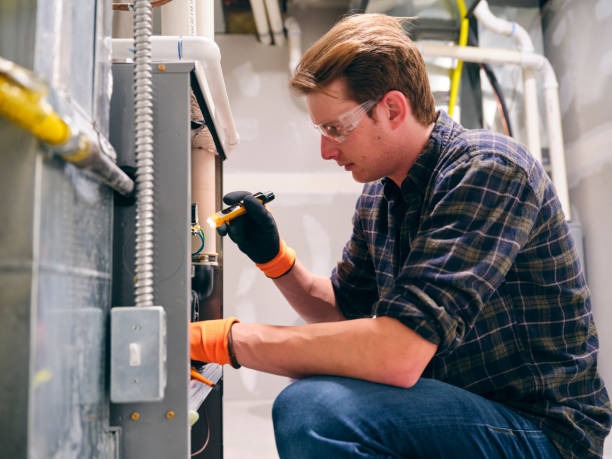
One practical aspect to consider is the importance of regular maintenance. HVAC systems require routine inspections and servicing to ensure optimal performance. Changing air filters, cleaning ducts, checking refrigerant levels, and inspecting electrical connections are vital tasks. Neglecting maintenance can lead to reduced efficiency, higher energy bills, and even system breakdowns. Homeowners should schedule professional tune-ups at least once a year, ideally before the heating or cooling season begins.
Energy efficiency is another critical topic in HVAC understanding. Modern systems come with high-efficiency ratings, such as SEER (Seasonal Energy Efficiency Ratio) for air conditioners and AFUE (Annual Fuel Utilization Efficiency) for furnaces. Choosing equipment with higher efficiency ratings can significantly reduce energy consumption and environmental impact. Additionally, programmable thermostats and smart HVAC controls allow for precise temperature management, further enhancing savings and comfort.
Ventilation quality directly affects indoor air health. Proper ventilation reduces the concentration of pollutants, allergens, and moisture, promoting a healthier environment. Many HVAC systems incorporate air purifiers, humidifiers, and dehumidifiers to improve air quality. Understanding how these elements fit into your HVAC setup can help address specific concerns like allergies or excess humidity.
Finally, being informed about HVAC technology trends can be beneficial. Innovations such as variable-speed compressors, zoned heating and cooling, and geothermal heat pumps offer advanced solutions tailored to various needs. Staying updated on these options enables better choices for new installations or system upgrades.
In conclusion, gaining a practical understanding of HVAC systems empowers you to maintain comfort, improve air quality, and optimize energy use in your living or working spaces. Regular maintenance, awareness of energy efficiency, focus on ventilation, and knowledge of technological advancements are key components of this understanding. By investing time in learning these practical details, you can enhance the performance and longevity of your HVAC system.
Fresh Air Heating and Cooling
612 Spirit Valley E Dr, Chesterfield, MO 63005
636-224-6106