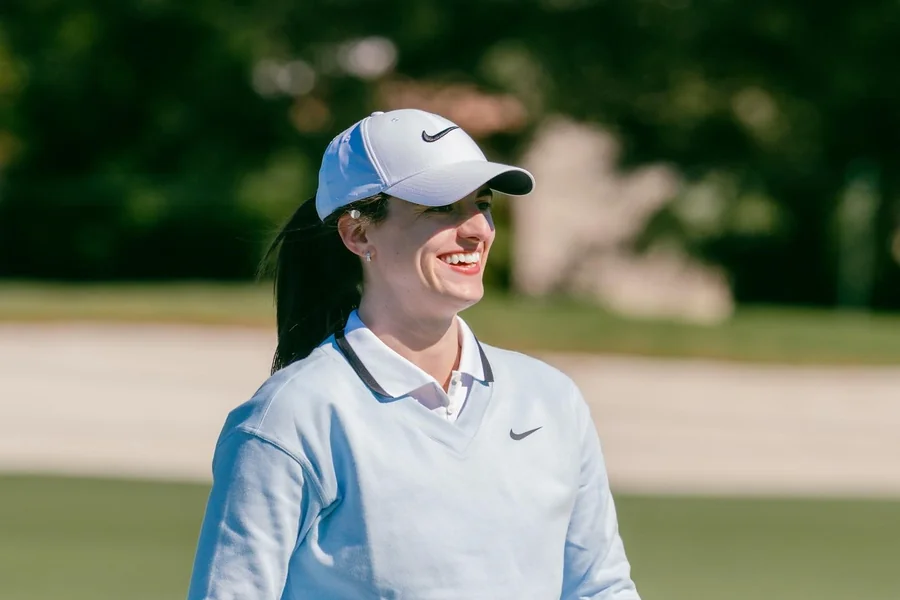
Basketball often treats size as a talking point without substance, a number that gets recited with little impact once the ball goes up. Caitlin Clark pushes back against that idea. Her height does more than fill a line on a roster. At six feet tall, she brings a profile that alters how guards operate, how defenses react, and how teams structure their lineups. By the time the 2026 season arrives, she is not only a threat from deep. She is a physical puzzle that opponents have to solve on every possession.
Plenty of fans associate her with long range shooting and highlight plays, but that view misses the broader picture. Her size and length at the guard spot shift the geometry of the court. Passing windows open that do not exist for smaller players. Shot contests arrive a beat late. Switches that would bury most guards become survivable. This is not about raw inches in isolation. It is about the way she leverages those inches to gain advantages across the entire game.
Why her height matters at guard
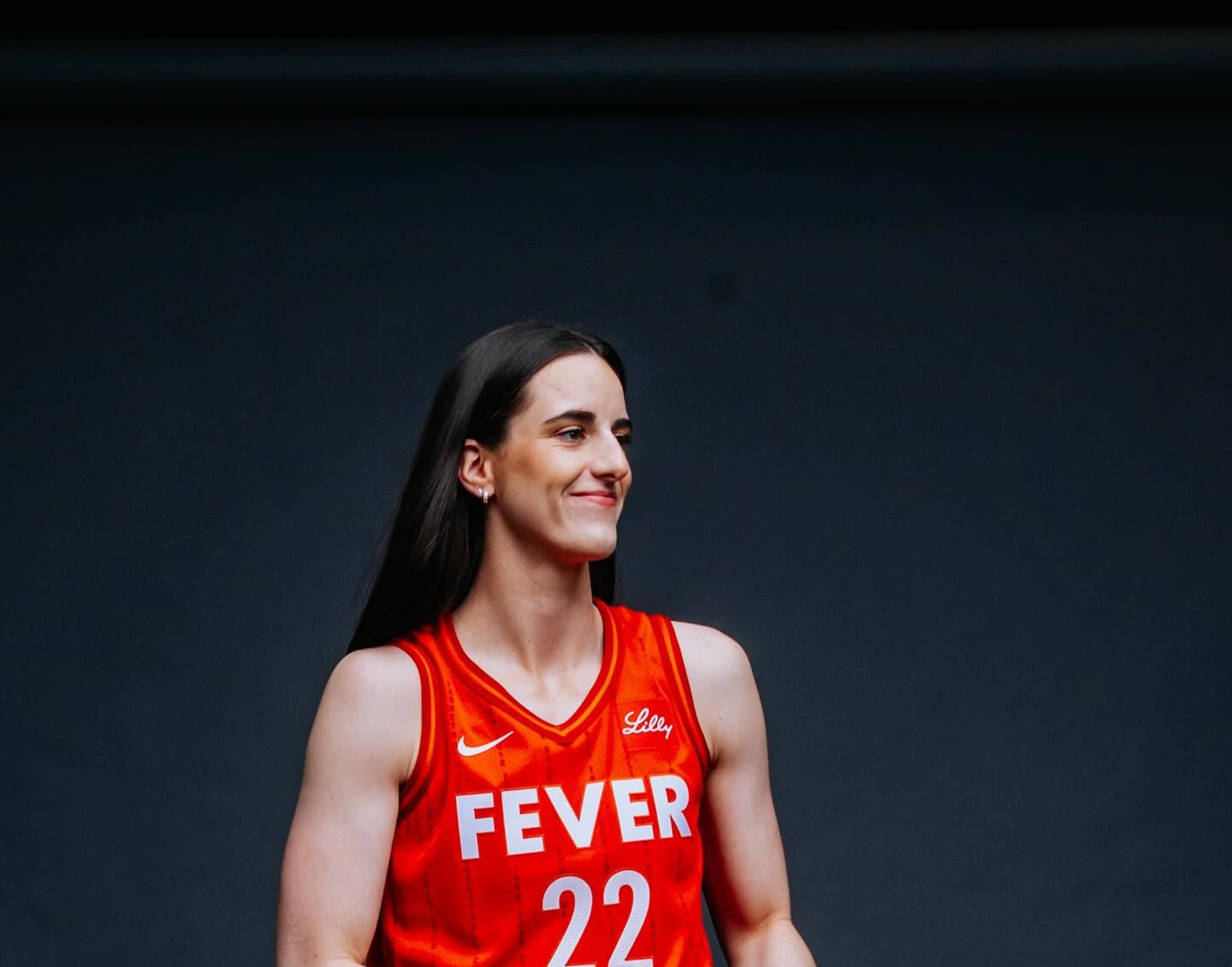
In the professional ranks, many lead guards are compact and twitchy, built to slip through screens and carve space with burst. Against that backdrop, a six-foot ball handler stands out. The difference is not cosmetic. It changes what she can see, where she can deliver the ball, and how she releases her shot under pressure. When you pair that size with elite skill, you get a player who breaks defensive rules that usually work.
Floor vision built on elevation
Most guards operate while peering through a thicket of arms. Clark often sees over it. That small vertical edge gives her an extra moment to spot cutters, act before a help defender rotates, and send the ball to the weak side before a trap closes. It feels like anticipation, and her processing speed is real, but the vantage point matters too. When a player can survey the action rather than guess through it, the passes that look daring are actually calculated choices. Long cross-court deliveries become viable because she can identify the window early and throw on time.
A shooting release defenders struggle to touch
The deep threes draw attention, and for good reason. Yet the hidden factor behind many of those makes is her release point. With a six-foot frame, she keeps the ball high into her motion, which adds a layer of protection. Even a tight contest gets there late. The defender’s hand runs out of runway before the ball is gone. That leads to shots that look reckless from a distance but are built on mechanics, length, and quick decision making. The result is a portfolio of attempts that others cannot duplicate with the same reliability.
Her physical profile goes beyond a single measurement
Reducing Clark to a tall shooter undersells what she brings. The grind of a long season can expose any weakness. To thrive, a guard has to combine skill with durability, strength, and balance. By 2026, the height is only the base layer. The rest of the build has caught up to the demands of the league.
- Height: 6 feet 0 inches, or 183 centimeters
- Weight: 170 pounds, or 77 kilograms
- Wingspan: 6 feet 4 inches, or 193 centimeters
- Position: Point guard and shooting guard
- Reach: Elite within her role
That blend explains why opponents cannot simplify the scouting report. You cannot assume she will wear down over the course of a game. You cannot count on smaller guards to dig into her handle with quick hands. You cannot expect big wings to switch onto her and erase space. Her size and strength give her options. Options win playoff series and stretch defenses to the breaking point.
The wingspan that changes everything
The standout piece of her measurements is length. A 6-foot-4 wingspan at the guard spot is the detail that frustrates ball handlers and finishers. It extends her reach into passing lanes and adds surprise to digs and swipes. Off the ball, it lets her sit in gaps while still recovering to her assignment. At the rim, it helps her angle high finishes that arc just above a late contest. The stat line rarely captures how often an opponent pulls up short or redirects a pass because a long arm appears where it should not be. That is the daily tax her length places on offenses.
How she stacks up against other guards and wings
The modern game keeps getting bigger and faster, but context matters. Against many peer guards, Clark brings extra height and reach that tilt the matchup. Compared with smaller standouts like Skylar Diggins-Smith at 5-foot-9 or Aari McDonald at 5-foot-6, Clark’s frame alters outcomes at the margins that decide games. Those margins show up in rebounding position, post-seal leverage, and the kind of shots a defender has to live with.
Against other guards
When a six-footer matches up with a shorter guard, the offense gains angles right away. Post entries are cleaner. Mid-post catches are safer. A simple back-down becomes a realistic action rather than a bailout. Clark uses her size to turn her back, feel the defender, and either rise for a short jumper or kick to a cutter when help arrives. That is not showmanship. It is a method of creating high percentage chances that smaller guards cannot access as consistently.
Against forwards
She is not designed to muscle with towering centers, and that is not her job. What she can do is survive switches onto many forwards without the possession collapsing. At six feet with strong legs and a long reach, she can contest, slide, and funnel drives to help. That flexibility gives the Indiana Fever lineups that hold up in space while keeping offensive creation on the floor. Coaches love players who allow them to stay big on the glass and still run with pace. Clark’s dimensions make those tradeoffs less severe.
From college frame to pro-ready body
Think back to her Iowa days. The skill and confidence were already elite, yet the build was lean. Moving to the league exposed the pounding that comes with driving into contact, absorbing bumps on screens, and landing in traffic again and again. Early on, at around 155 pounds in 2024, she absorbed a lot of hits. By 2026, the story changes. At roughly 170 pounds, she carries more muscle through her lower body and core. The result is the same listed height, but with ballast that lets her hold ground and finish through arms.
That progression shows up everywhere. She gets to her spots without being rerouted. She takes a bump and stays on balance. She keeps a defender on her hip during drives instead of getting dislodged. On pull-ups, the added strength steadies her base, so the shot comes off the same even when contact meets her mid-air. The six-foot frame, upgraded with power, becomes a shield that preserves shot quality possession after possession.
Where her height shows up on offense
Offense is more than scoring totals. It is about access to options. Height amplifies each option in a different way.
Pick-and-roll reads
When a trap arrives, shorter guards often lose sight of the weak side for a split second. Clark maintains vision above the double. That lets her hit a rolling big early, fire a skip to the opposite corner, or pull up before the trap has fully formed. The defense is always half a step behind when a ball handler can see the entire picture and make the first move.
Transition decisions
On the break, longer guards throw passes that travel farther on a rope. Clark turns rebounds and outlet passes into immediate pressure because she can deliver the ball ahead without a high arc that gives defenders time to recover. Add the threat of her own pull-up three, and defenders are stuck between picking up the ball and sprinting to shooters. That hesitation creates layups and open trails.
Deep range with protection
Her long-distance attempts do not rely solely on audacity. The high starting point of her shot means defenders cannot dig the ball out of her pocket. Closeouts that might bother a smaller guard arrive a fraction late. Over a season, those small moments accumulate into makes that swing quarters and deflate crowds.
Where her height shows up on defense
Defense lives in little edges. One extra inch of contest. A fingertip on a pass. The ability to tag the roller and still get back. Clark’s length supports all of it.
- Passing lanes: With a 6-foot-4 wingspan, she bothers swing passes and skip reads that are routine against shorter guards. Offenses feel compelled to aim higher or slower, which buys time for rotations.
- Containment: Longer strides and a strong base help her slide, absorb a shoulder, and stay attached on drives. Even when beaten, a last reach can test the finish.
- Rebounding: At six feet, she is positioned to chase long rebounds that guards often watch bounce over their heads. Those extra possessions change the rhythm of a game.
The bigger story fans call the Caitlin Clark effect
Her influence is not confined to the highlight reels. Presence matters. Teams defend her with schemes designed for larger wings, not only for guards. Young players notice that a six-foot guard can direct an offense, launch from deep, and still impose herself physically. You do not need to be a towering center to shape a game. Skill, preparation, and a competitive edge can turn a strong frame into a weapon at the perimeter.
The narrative that she is just a hot hand from distance misses how her height and strength widen the scope of her play. The combination gives her the vision to dissect coverage, the release point to defeat closeouts, and the force to absorb contact at the rim. That is why opponents can scheme and rotate and still feel like they are a step behind. She plays from a vantage point many guards never reach.
How critics get it wrong
Detractors tend to reduce her to one skill. They ignore that her size is not a footnote, it is a tactical layer. A six-foot guard with real strength and a long reach compresses defenses from multiple angles. You can chase her off the line, but the drive remains. You can trap, but the skip pass still arrives. You can switch with a forward, but she can guard her ground and then run you on the next trip. Height alone does not guarantee success. Height paired with refined skill and a stronger 2026 physique does.
Why this version of Clark is so hard to game-plan
Coaches build plans around removing an opponent’s A option, then living with B and C. The problem with Clark is that her height and length keep A, B, and C alive at once. You blitz and she sees over it. You shade a helper early and she rifles a pass to the back door. You crowd the handle and she elevates into a jumper with a high release. Take away her space, and she uses her frame to get a deeper catch and craft a finish with touch. It is the rare profile where physical tools and decision making reinforce each other rather than trade off.
The bottom line
Size in basketball is not everything, but it is far from nothing. In Clark’s case, it is a foundation for the kind of guard play that bends defenses, sustains advantages, and travels into the postseason. At six feet with a 6-foot-4 wingspan, around 170 pounds by 2026, and the skill set to exploit all of it, she turns routine possessions into winning edges. The tape measure does not tell the whole story, yet here it explains why so many of her plays succeed even when the scouting report is spot on. She is taller than most at her position, longer than many who try to check her, and stronger than she was when she entered the league. That is a difficult combination to beat.
FAQ
Is Caitlin Clark as tall as she claims to be?
Yes. Early chatter put her at 5 feet 11 inches. By 2026, official listings and measurements confirm she stands a true 6 feet even without shoes.
What is her current weight?
She is roughly 170 pounds in 2026. The added mass reflects a focus on strength through the core and legs so she can withstand contact and control space.
What is her wingspan?
Her wingspan is 6 feet 4 inches. That length underpins her steals, passing lane pressure, and the ability to loft high finishes over bigger defenders.
Does her height help her on the glass?
Yes. From the guard spot, she regularly pulls 7 to 8 rebounds a night. Long misses are within reach, and she does not wait for frontcourt players to collect them.