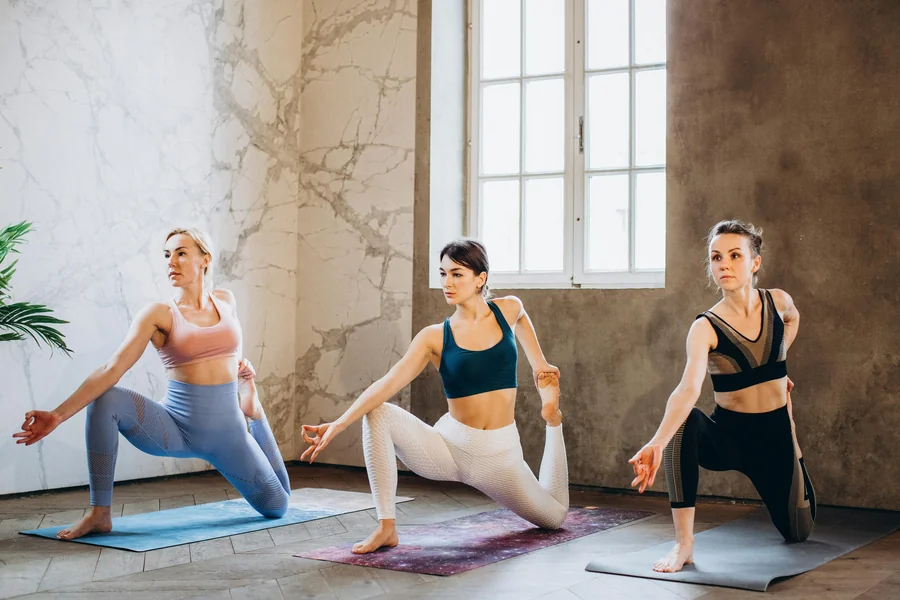
Choosing clothing for yoga is not only about looking put together. The right outfit steadies your focus, frees your breath, and supports every transition on the mat. In 2026, yoga wear reflects a thoughtful shift toward comfort, sustainability, and inclusive sizing. Materials feel better against the skin, cuts are designed to stay put through inversions and deep folds, and options exist for every type of class from slow and restorative to hot and fast-paced.
When you dress with intention, your gear becomes an ally rather than a distraction. Clothing that glides through movement and stays where it should lets you linger in a pose without fussing with straps or waistbands. This guide breaks down fabric choices, bottoms and tops that perform, accessories that add function, and outfit tips tailored to different styles of practice. It also covers care so your pieces last, what to avoid, and how to feel ready if you are attending your first session.
Why the Right Yoga Clothes Matter
Yoga involves bending, twisting, lengthening, and sometimes going upside down. In a single sequence you might move from a gentle forward fold into a lunge, then into a balancing pose. Clothing that pulls or gapes interrupts that rhythm. Pieces that are too loose can fall over your face in a down dog. Items that are too tight can compress your ribs or pinch at the waist. You are aiming for a middle ground where fabric hugs without squeezing and stretches without turning see-through.
Modern yoga wear balances two key qualities. The first is supportive hold through the core and hips, which provides a secure feeling in transitions and makes you less likely to tug at waistbands. The second is flexible stretch that follows your range of motion without resisting the movement. Good yoga clothing respects your breath and adapts to your body rather than asking your body to adapt to it.
The Best Fabrics for Yoga in 2026
Fabric choice sets the tone for your entire outfit. Your skin will thank you for materials that are smooth, breathable, and quick to dry. In 2026, many lines lean into more responsible production while keeping performance top of mind.
Moisture-Wicking Synthetics
Nylon and polyester blends are popular for a reason. They draw sweat off the skin which helps you stay dry as your body heats up. Many current offerings use recycled sources, including blends created from recovered ocean plastic. These performance fabrics dry quickly between rounds of sun salutations, and they remain light even when you work hard. If you practice in a warm studio or tend to sweat, this family of fabrics will likely become your go-to.
Support and Stretch
Look for 4-way stretch. This means the fabric moves across and lengthwise, so it adapts no matter which direction you twist or fold. That level of elasticity helps keep leggings opaque in deep bends and prevents bagging at the knees. It also makes tops and bras feel more forgiving as your ribcage expands with fuller breaths. The result is freedom to move without the fear of exposing more than you intended.
Natural Bamboo and Organic Cotton
For gentle practices such as restorative or Yin, natural fibers offer soft comfort and a relaxed feel. Bamboo blends and organic cotton are breathable and kind to sensitive skin. Be aware that they tend to hold on to moisture more than synthetic options. That means they are a better fit for slow classes rather than heated sessions. Choose these materials when you want coziness and calm rather than technical performance in a sweaty environment.
Choosing the Right Bottoms
Your bottoms are the anchor of your yoga wardrobe. A steady waistband and fabric that moves with you make the difference between feeling present and feeling distracted.
High-Waisted Leggings
High-rise leggings are a favorite because they stay put through flows and inversions. The higher waistband can add a gentle core embrace that feels supportive during standing sequences and balances. When trying on, move through a deep squat or forward fold in the dressing room to check for opacity. Aim for a snug fit that does not dig in at the waist or cut across your stomach when you sit. If the waistband rolls or slides, try a different rise or a pair with a wider band for stability.
Yoga Shorts
For hot classes or warm weather, fitted shorts are a practical option. Bike-short styles reduce ride-up during inversions and keep coverage in place as you move from pose to pose. Ultra loose shorts can creep upward in headstands or wide-legged stances which leads to constant adjustments. Pick a length that you feel secure in and prioritize stretch and a waistband that does not pinch.
Joggers for Gentle Yoga
On slower days, joggers can feel just right. The relaxed cut keeps you cozy while tapered ankles keep fabric from sliding over your feet. Look for a soft, breathable knit that lets your knees and hips travel comfortably. Joggers pair well with layers for practices that include long holds and restful shapes where your body temperature may dip.
Selecting the Perfect Top
Upper-body coverage should work with your breath and your posture. You want a top that stays in place and does not block your view when you fold forward.
Fitted Tank Tops
Close-fitting tanks are a staple because they remain steady in down dog and do not flap into your face. Many options include integrated shelf support which can be convenient for lighter sessions. Stretch that follows your ribcage makes a tank feel like part of your body rather than a separate layer that shifts around. Aim for armholes and straps that do not chafe and a hem that remains smooth at the waist.
Sports Bras with Support
A supportive sports bra underpins almost any yoga outfit. For most practices, medium support is sufficient. Look for full coverage cups and a band that stays put without digging. Smooth seams help prevent hot spots in poses where your chest meets the mat. As with leggings, test fit by taking deep inhales and moving your shoulders to ensure nothing binds as you breathe or reach overhead.
Long-Sleeve Layers
Studios can feel cool at the start and end of class. A lightweight long-sleeve layer keeps you comfortable while you settle into your breath and again in final relaxation. Choose breathable knitwear or a thin top that you can slide off once your body warms up. Keep the silhouette simple so you can remove it between sequences without fuss.
Outfits by Yoga Style
Not every class asks the same thing of your body. Dress for the temperature and tempo so your outfit supports your specific session.
Hot Yoga and Bikram
In a heated room you will perspire steadily. Minimal coverage helps you stay cooler and prevents heavy fabric from clinging. Think sports bras or fitted tops with short sleeves paired with short leggings or bike shorts. Choose thin, quick-drying materials that move moisture away from your skin. Natural fibers like heavy cotton become saturated quickly and feel heavy and sticky, so steer clear of them in this setting.
Vinyasa and Power Yoga
Faster flows demand gear that glides with you and stands up to repeated transitions. High-rise leggings and a supportive crop or fitted tank are strong choices. Flat seams or seam placements that avoid high-friction zones help reduce rubbing when you move rapidly between planks, lunges, and twists. A sleek silhouette also makes it easier to check alignment since extra fabric will not hide your lines.
Restorative and Yin Yoga
These practices emphasize ease, stillness, and long holds. Your body may cool down between poses. Soft leggings or joggers paired with breathable layers create warmth without bulk. Grippy socks can keep feet warm and steady on the mat if you like a little insulation. Choose gentle fabrics that feel good against your skin when you are supported by bolsters or blankets.
Essential Yoga Accessories for 2026
While clothing is the core of your outfit, the right accessories can improve comfort and stability.
Grip Socks
If your feet slide on the mat, grippy socks can add traction. Silicone dots or patterns on the sole help you root more firmly without losing the feeling of grounded feet. They also add a layer of cleanliness in shared studio spaces.
Headbands and Hair Ties
Keeping hair off your face matters when you move and sweat. A moisture-wicking headband helps keep perspiration away from your eyes. Secure ties reduce the need to stop and redo a ponytail during a flow.
Sustainable Yoga Mats
Your mat completes the picture and influences your experience. Many people choose cork or natural rubber options for a more eco-minded approach in 2026. Pick a mat with a surface that meets your traction needs, then build your outfit to complement the class type and temperature.
What to Avoid Wearing
Steer clear of items that interfere with comfort or concentration.
- Bottoms with zippers. Metal at the back can press uncomfortably when you lie down.
- Very loose t-shirts. Oversized tops flip over your face in inversions and forward folds.
- Worn thin leggings. Aging fabric can become transparent under studio lights and during deep bends.
- Heavy jewelry. Long necklaces or dangling earrings can catch or swing into your face.
Men’s Yoga Fashion Trends
Yoga attire has expanded to include more options for men. Many choose lined shorts or compression leggings under a looser short for coverage and comfort. Slightly fitted moisture-wicking tees reduce bunching while allowing the shoulders and arms to move freely. The same priorities apply across all gear. You want clothing that holds steady, removes sweat from the skin, and does not distract as you breathe and balance.
Caring for Your Yoga Gear
Good care extends the life of your favorite pieces and preserves fit and stretch.
- Wash in cold water. Heat breaks down elastic fibers and can cause garments to lose their shape.
- Avoid fabric softener. Softeners can clog the tiny channels that make moisture-wicking fabrics pull sweat away.
- Air dry. High heat from dryers can reduce bounce-back and shorten the life of stretch materials.
Turn pieces inside out before washing to protect color and surface texture. Fasten any removable pads inside bras or wash them in a small mesh bag so they do not fold. Give gear a quick rinse after very sweaty sessions and let it breathe before tossing it into a hamper. These simple habits keep fabrics fresh and help them perform longer.
Preparing for Your First Session
Your first time in a studio can feel exciting and a little uncertain. Keep your outfit simple and comfortable. A pair of reliable leggings or shorts and a breathable tee or tank is a solid starting point. If you prefer more coverage, layer a lightweight long sleeve to wear at the beginning and end. Many studios supply mats, but wearing clothing that stays put will help you feel at ease from your first forward fold.
Arrive a few minutes early so you can roll out your mat and check that your outfit feels right while you move gently. Practice a few squats, side bends, and a down dog to test for gaping or rolling waistbands. Adjust straps or ties so nothing shifts as you transition. When your clothing feels dialed in, your attention can settle on your breath and the teacher’s cues.
How to Personalize Your Practice Look
Finding the right outfit is personal. You might like a compressive legging and a simple crop on energetic days, and soft joggers with a cozy layer when you need calm. There is no single correct choice. The best set for you is the one that lets you forget about clothing and notice your body in space. Over time, most people find they rely on a small collection of well-fitting pieces that mix and match easily.
Think about color and texture as part of how you feel. Some prefer darker tones for a sense of steadiness. Others feel more uplifted in brighter shades. Fabrics that are smooth can slide easily under props, while brushed knits feel plush during long holds. Choose according to the class and your mood, while keeping the core priorities of fit, stretch, and breathability in place.
Common Fit Checks Before You Buy
Try these quick tests when you are deciding what to bring home.
- Squat test for leggings. Bend your knees deeply and check for opacity and waistband security.
- Reach test for tops and bras. Raise your arms overhead and rotate your shoulders. Make sure straps do not dig and the hem does not creep up.
- Bend test for tanks and tees. Fold forward and watch how the fabric moves. If it falls over your face or flares widely, size down or choose a more fitted cut.
- Breath test for bras. Take a deep inhale. If the band restricts your ribs, size up or try a different style.
Building a Small, Reliable Yoga Wardrobe
Rather than filling your drawer with pieces that almost work, invest in a handful that always deliver. A few high-waisted leggings in supportive, moisture-wicking fabric cover most classes. Add one or two pairs of fitted shorts for hot sessions. Choose two or three sports bras that you trust. Layer with a fitted tank and a light long sleeve for cooler studios and slower days. This compact kit will travel from vinyasa to restorative with minimal swapping.
In 2026, the shift toward more inclusive sizing and sustainable materials means you have more options to get a great fit while aligning with your values. Try different rises, inseams, and necklines until you feel a balance of coverage and freedom. Pieces that feel almost invisible on your body are usually the winners.
FAQs
Can I wear regular leggings to yoga?
Yes, as long as they remain opaque in deep bends. Leggings made for yoga often offer stronger stretch recovery and waistbands designed to stay put as you move.
Should I wear socks during yoga?
Most people practice barefoot for better traction on the mat. If you prefer a bit more grip or want extra warmth, choose socks designed for yoga with non-slip soles.
Do I need a different outfit for hot yoga?
Yes. Hot classes call for thin, quick-drying pieces that move sweat away from the skin. Heavier cotton holds moisture and can feel heavy and uncomfortable as class progresses.
How tight should my yoga clothes be?
Aim for a form-hugging fit that does not restrict. You should breathe fully and move your joints through their natural ranges without feeling squeezed.
Is it okay to wear a t-shirt to yoga?
It is fine if the shirt is not overly baggy. If it is on the looser side, tuck it in or choose a cut that narrows at the waist so it stays put in forward folds and inversions.
Final Thoughts
Yoga clothing should serve you, not the other way around. When you pick breathable fabrics, supportive bottoms, and tops that move with your breath, your attention can shift away from outfit worries and into presence on the mat. Invest in a few dependable pieces that match your most common class types. Care for them with gentle washing and air drying to keep the stretch and softness alive. In 2026, the best yoga wear blends comfort, function, and a mindful approach to materials, letting you focus on the simple joy of moving and breathing with intention.