
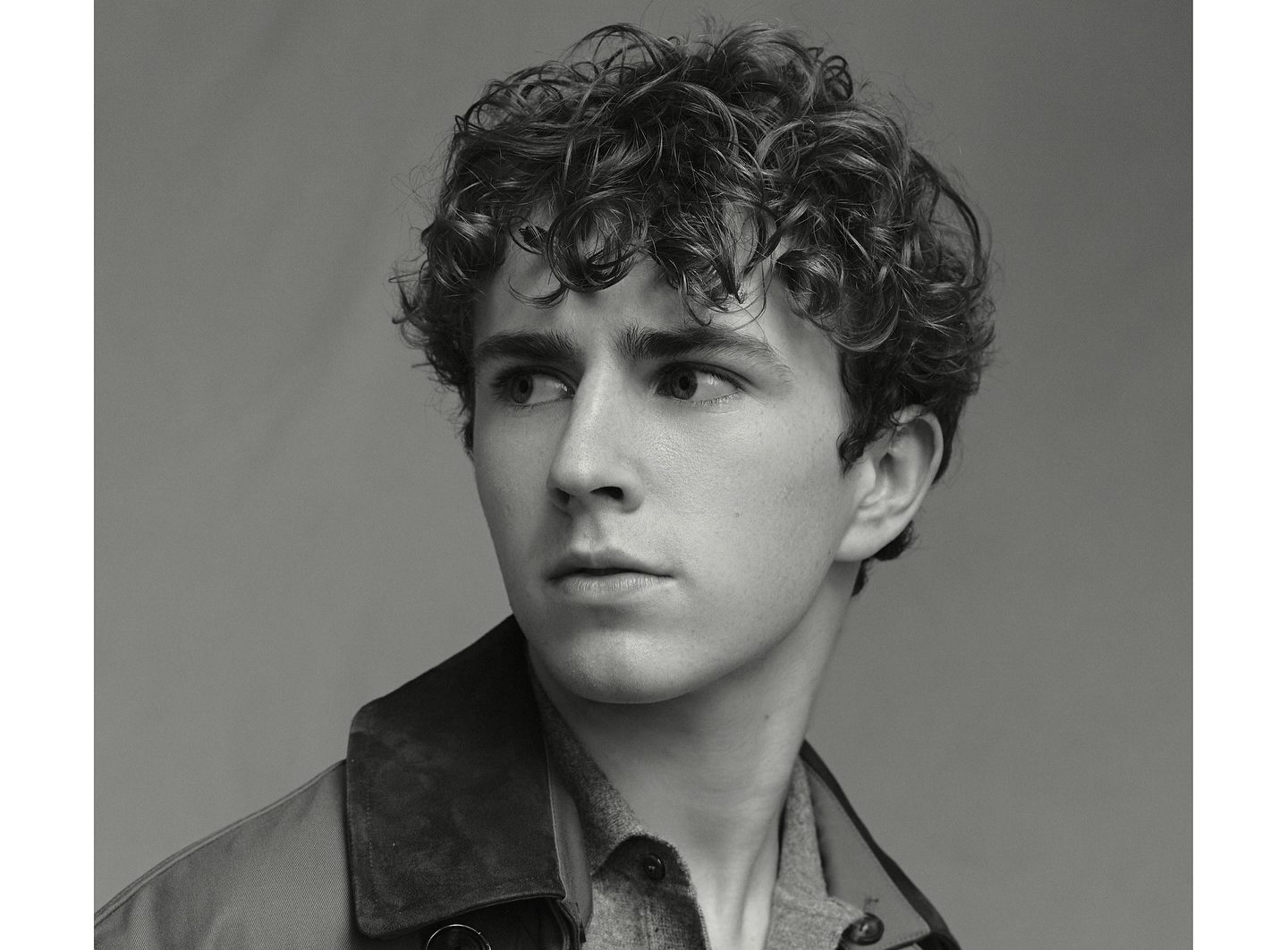
Walker Scobell has emerged as one of the most closely watched talents of his age group, not because of a marketing push, but because he brings a rare mix of grounded emotion, sharp timing, and steady focus to every role. His path reflects the kind of patient growth that turns early promise into lasting credibility. Raised in a military household and shaped by frequent moves across the United States, he developed adaptability and a clear sense of purpose long before he set foot on a professional set. In a short stretch of time, he advanced from school productions to headline roles in film and television, building a reputation respected by audiences and experienced creatives alike.
His career to date shows how careful choices can protect authenticity while still embracing big opportunities. From a breakout performance in a major science fiction film to the challenge of embodying a beloved literary hero, he has carried a difficult balance with surprising ease. What stands out is the consistency of his approach. He favors craft over spectacle, steady practice over quick attention, and collaboration over ego. Those traits hint at a career that can mature with him rather than fade as childhood stardom passes.
Early Life and Family Roots
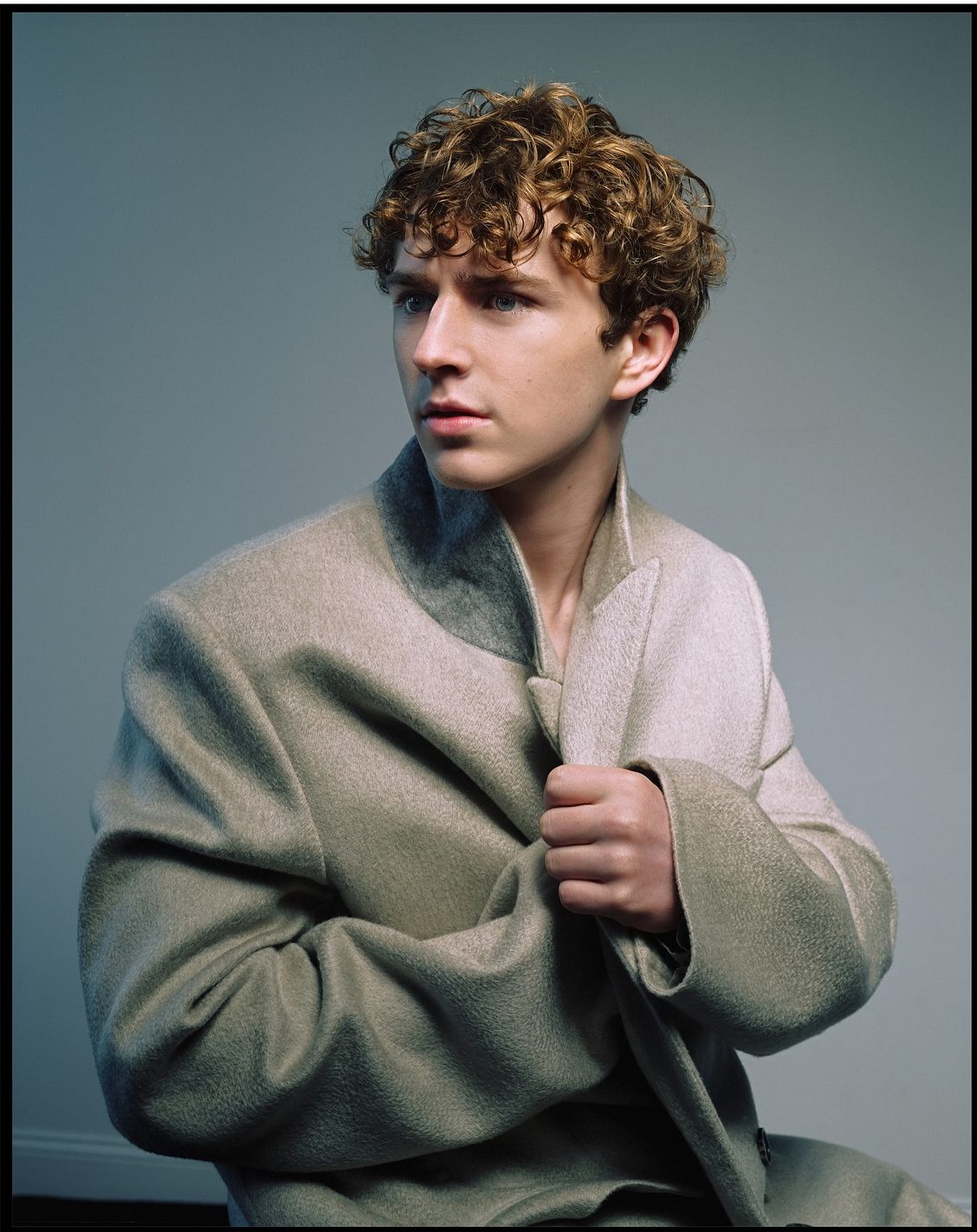
Walker Scobell was born on January 5, 2009, in Virginia Beach, Virginia. His family’s military life meant frequent moves, new schools, and a constant need to adjust. That rhythm often shapes children into flexible and observant people, able to read a room and adapt to it. For a performer, those instincts can be invaluable. He learned to settle in quickly, find common ground with new peers, and keep a routine even when the backdrop changed.
His parents, Heather and Pete, created a home that mixed structure with resilience. With siblings Tanner and Leena by his side, Walker learned to form friendships fast and remain comfortable in unfamiliar environments. That sense of stability within change would later translate into his on-set presence. New directors, fresh crews, and different storytelling styles did not throw him off. Instead, each shift became another chance to observe, listen, and contribute.
Crucially, his childhood did not revolve around show business. It was grounded in schoolwork, daily activities, and travel connected to his family’s life. That normalcy gave him a healthy distance from the rush of attention that can surround young performers. When acting opportunities began to appear, he arrived with a level head and a strong foundation built on everyday habits rather than constant spotlight.
First Steps Into Acting

Walker’s introduction to performing did not begin with a talent agent or a full youth resume. It started in school and neighborhood plays where the stakes were low and the joy of discovery was high. Those early experiences were about learning how to tell a story, how to share a feeling with an audience, and how to be part of an ensemble. He experimented, made mistakes, tried again, and found satisfaction in the process itself.
A turning point came after visiting California and seeing the film industry up close. That experience transformed a hobby into a serious pursuit. He realized that a life in acting was not only possible but tangible. From that moment, he shifted from casual participation to steady preparation. He took time to train, audition, and build the habits that would carry him forward. There was no instant stardom. Instead, there was methodical work that prepared him for larger opportunities.
Breakthrough in a Science Fiction Adventure
Walker’s breakout arrived with a high-profile science fiction adventure, The Adam Project. In that story, he portrayed a younger version of the central character, sharing the screen with Ryan Reynolds. The role demanded wit, emotional access, and an ability to echo another actor’s established rhythms without slipping into imitation. He delivered more than a simple impersonation. His performance had its own voice, shaped by quick comedic beats and a clear understanding of the character’s vulnerable core.
What made this turn stand out was the balance he struck. Comedy landed cleanly, but he also held his ground in the film’s more intimate moments. He made the audience care, which is harder than it looks. Many young actors can handle one gear well, usually either playful energy or heavy emotion. He navigated both. Audiences and critics noticed that range, and the industry began to see him as someone who could do more than hold attention in a big movie. He could deepen it.
Expanding His Film Experience
After that success, he moved into Secret Headquarters, an action-leaning project that still gave him room to build character. Instead of repeating the same notes, he explored new tones and textures. Early career variety is a strategic choice. It keeps an actor from being boxed in and creates space to grow. That choice also signals confidence, not in hype, but in the willingness to stretch into unfamiliar territory.
Each set gave him another education. He learned how different directors shape performances, how to find the rhythm of a scene partner, and how to adjust within shifting styles of storytelling. Those lessons become the invisible scaffolding of a career. By the time the right role arrives, the actor is ready to carry it.
Stepping Into a Beloved Hero
One of the most significant moments in his journey came with his casting in Percy Jackson and the Olympians. This was more than a job. It was an invitation to steward a role that means a great deal to readers across the world. Taking on a character with such an established identity is always a high-wire act. The audience already cares. The task is to honor what they love while bringing something personal to the screen.
This responsibility required more than line delivery. It called for stamina, wit, and a lead actor’s steadiness. He approached the role with respect for the original story and brought his own energy to the part. Many viewers responded to that mix, noting the way he shifted between humor and heart with ease. His interpretation felt lived-in rather than forced, which is the difference between an impression and a character. The outcome was a portrayal that drew in new fans while reassuring longtime followers that the hero they cherish was in good hands.
Acting Style and Creative Strengths
Walker’s performances are notable for their naturalism. He does not overreach. He lets moments breathe. The effect is a conversational flow that makes the camera feel like an observer rather than a spotlight. This approach creates trust with the audience. When comedy appears, it seems to rise from the situation rather than sit on top of it. When emotion surfaces, it lands with clarity because it is not overplayed.
His timing is a major asset, especially in dialogue heavy scenes. Jokes need rhythm, and so do quiet exchanges where a look or a pause can do more than a long speech. He has a feel for those beats. Just as important is how he listens on screen. Great acting is not only about speaking. It is about genuine reaction. He pays attention to scene partners and responds in the moment. That presence distinguishes an actor who is simply waiting for their next line from one who is living inside the story.
Professionalism and Set Presence
Growing up in a military family taught him discipline, teamwork, and respect for structure. Those values fit the collaborative nature of filmmaking. Sets function best when everyone brings reliability along with talent. He shows up prepared, engages with direction, and adapts to new circumstances. People notice that consistency. It is the kind of reputation that opens doors to better material and more creative risk because colleagues trust that he will deliver.
Life Beyond the Camera
Even as his profile rises, his private life remains measured. He keeps a balance between public work and everyday routines. That separation is protective, especially for young performers who face constant attention. A stable home life and a thoughtful schedule help him maintain perspective during a period of rapid change. The steadiness supports personal growth and keeps him connected to the parts of childhood that are not defined by headlines.
Influence and Representation
For many young actors and fans, Walker serves as proof that you can move forward without sacrificing who you are. His choices reflect patience, awareness, and preparation. He embraces big platforms without drifting into pretense. His participation in major adaptations also points to a wider shift in casting decisions, where alignment with character truth matters more than surface traits. That approach strengthens storytelling and builds audience trust.
His influence may grow beyond his own performances. He offers a model for how to handle attention responsibly, how to choose roles that stretch ability without eroding authenticity, and how to pace a career so it can last. Those lessons are especially important for performers who enter the industry before adulthood.
Career Trajectory and Future Potential
Predicting any career in entertainment is tricky, especially when the actor is still young. Even so, the foundation he has laid points to endurance rather than a brief moment of visibility. His filmography already shows range and care in selection. He has worked within ensembles and taken the lead, handled action and quiet drama, and earned respect across age groups.
As he grows older, new roles will appear. Characters will become more complex, genres will widen, and the themes he engages with will deepen. If he continues to prioritize parts that challenge him and collaborators who push him to refine his craft, he can transition smoothly from notable young star to respected adult actor. The key is staying curious, prepared, and open to the discomfort that comes with growth.
Challenges of Growing Up in the Spotlight
Early success brings pressure. Expectations rise. Every project becomes a test in the eyes of the audience. That level of attention can distort perspective and make it difficult to remain grounded. The antidote is support, deliberate pacing, and a clear sense of self. Walker’s family background and thoughtful approach to his work place him in a strong position to handle those challenges. Staying focused on the craft helps reduce the noise around fame. When the priority is the work, short term distractions lose their power.
There are also practical hurdles. Education must be balanced with production schedules. Friendships need space outside of work. Privacy requires boundaries. Maintaining all of that takes intention. His blend of structure and flexibility gives him tools to navigate these demands without losing the joy that brought him to acting in the first place.
What Sets Him Apart
Many young performers are energetic. Fewer are attentive. Walker separates himself through attention to detail. He does not chase moments. He lets them arrive. That patience reads as honesty. Another advantage is his ability to connect. He makes it easy for the audience to see themselves in his characters, even when the circumstances are extraordinary. That accessibility invites empathy, which keeps viewers invested beyond the end credits.
Finally, he respects the collaborative process. He treats scene partners as equals and directors as creative allies. That mindset invites better work from everyone involved, because film and television are team efforts. When the lead actor is generous, the whole production benefits.
Legacy in the Making
Although his journey is just beginning, there is already a sense of intention in what he has done. Each role points in the same direction. He aims for truth, not flash. He is willing to prepare quietly, carry responsibility when asked, and meet the demands of a story with care. Those habits can add up to a lasting legacy if they continue over time.
Audiences are drawn to performers who feel real. Walker’s work resonates because it feels lived-in rather than manufactured. In an industry that often celebrates speed, his steady rise offers a welcome reminder that slow growth can be strong growth. If he keeps following that path, he will not simply be remembered as a standout child actor. He will be recognized as a full performer whose early start was the first chapter in a long career.
FAQs
Is Walker Scobell known for The Adam Project
Yes, he received wide attention for his work in that film.
Did he begin acting at a young age
Yes, he started performing in elementary school productions.
Is he from a military family
Yes, he grew up in a household that moved frequently due to military service.
Did he play Percy Jackson on television
Yes, he was cast as Percy Jackson in a televised adaptation.
Does he plan to continue acting as he gets older
Yes, his choices indicate a long term commitment to the craft.
Walker Scobell’s story is not merely about a young actor catching a wave. It is about a person with strong roots, a steady work ethic, and a clear voice that cuts through the noise. He has already made an impression. With time, care, and the same thoughtful decisions that brought him here, he has the tools to turn early promise into lasting impact.