
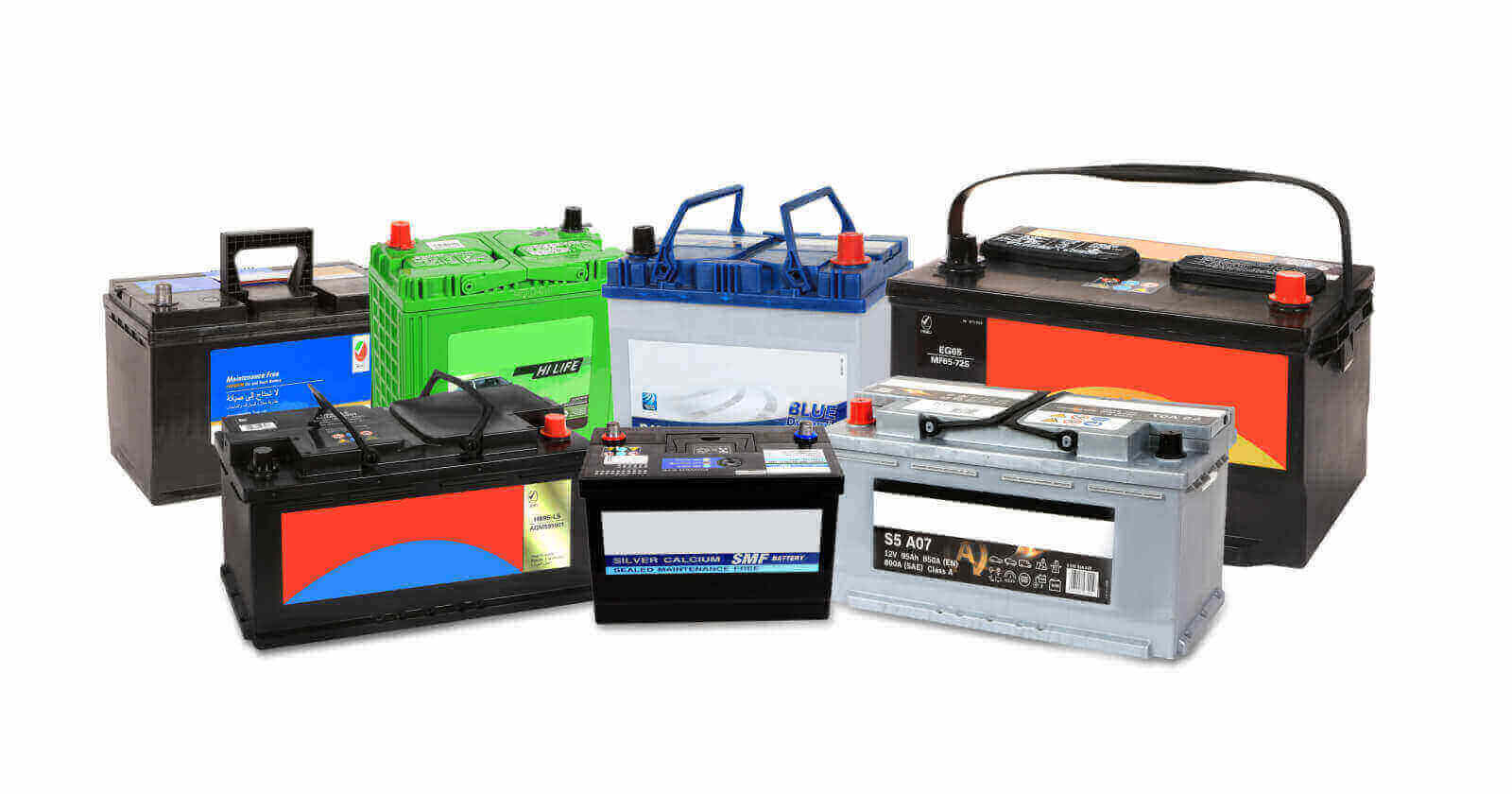
Imagine this scenario: you’re rushing to work, you jump into your car, turn the key, and nothing happens. Your heart sinks as you realize your car battery might be dead. This all-too-common predicament leaves many drivers wondering about the different types of car batteries and how to choose the right one for their vehicle.
Exploring Different Car Battery Types
Car batteries are crucial to the operation of your vehicle, providing the necessary power to start the engine and run electrical components. Understanding the different types of car batteries can help you make an informed choice when it’s time for a replacement.
Lead-Acid Batteries
The most common type of car battery is the lead-acid battery. Known for their reliability and affordability, these batteries have been around for decades. There are two main categories within lead-acid batteries: flooded (or wet cell) and sealed (or valve-regulated). Flooded batteries require maintenance, such as adding distilled water, while sealed batteries are maintenance-free.
AGM Batteries
Absorbent Glass Mat (AGM) batteries are a step up from traditional lead-acid batteries. They are designed to handle higher electrical demands and are more resistant to vibration. AGM batteries are often used in modern vehicles with start-stop technology, as they can quickly recharge and provide consistent power.
Lithium-Ion Batteries
Lithium-ion batteries are becoming increasingly popular in the automotive industry, especially in electric and hybrid vehicles. They are lightweight, have a longer lifespan, and charge faster than traditional batteries. However, they come at a higher cost, making them less common in standard vehicles.
How to Choose the Right Car Battery
Selecting the right car battery involves considering several factors, including car battery types and sizes, your vehicle’s specifications, and your driving habits.
Consider Your Vehicle’s Requirements
Every vehicle is designed with specific battery requirements. The owner’s manual is the best place to start when choosing a car battery type. It will provide details about the recommended battery size, type, and capacity.
Think About Climate and Terrain
Your local climate and driving conditions can impact battery performance. For instance, if you live in an area with extreme temperatures, you might need a battery that’s designed to handle such conditions. Similarly, if you frequently drive on rough terrains, a battery with high vibration resistance, like an AGM, might be beneficial.
Evaluate Your Driving Habits
Consider how you use your vehicle. If you often make short trips or leave your car sitting for extended periods, an AGM battery might be more suitable due to its ability to maintain charge longer than a traditional lead-acid battery.
What to Keep in Mind Next
Understanding the different types of car batteries and how to choose the right one can save you time and frustration. Whether you opt for a lead-acid, AGM, or lithium-ion battery, the key is to ensure it meets your vehicle’s needs and suits your lifestyle. For more information on car battery types and other driving tips, be sure to check out resources like https://upvehicle.com.