Selecting the appropriate approach for your landscaping installation is crucial to achieving a successful and satisfying outdoor space. Landscaping is more than just planting greenery; it involves design, functionality, and long-term maintenance considerations. To begin, understanding your specific needs and objectives is essential. Whether you aim to create a tranquil garden, enhance curb appeal, or add functional features such as patios or walkways, defining clear goals helps guide the entire process.
Budget is a significant factor that often influences the choice of landscaping installation methods. It is important to establish a realistic budget early on, taking into account the costs of materials, labor, and any unexpected expenses. Some landscaping techniques require specialized equipment or skilled labor, which can increase overall costs. Balancing your budget with your desired outcome ensures you do not compromise quality or functionality.
Another key element to consider is the climate and soil conditions of your area. Different plants and materials perform better in certain environments. For example, drought-resistant plants are ideal for dry regions, while moisture-loving species thrive in wetter climates. Testing your soil’s composition and pH can provide insight into what types of landscaping will flourish and what amendments might be necessary. Choosing plants and materials suited to local conditions reduces maintenance and increases the longevity of your landscaping.
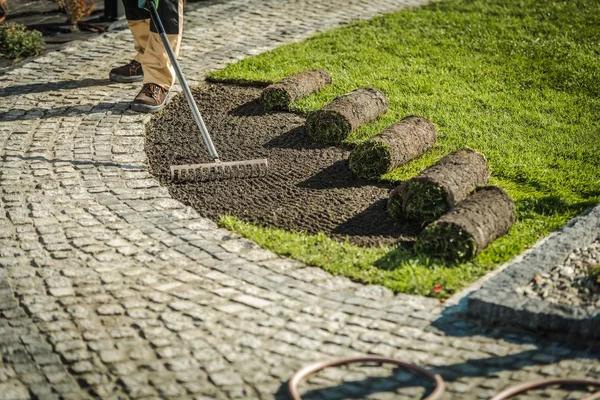
The scale of your project also impacts the approach you take. Smaller installations might be manageable as DIY projects, offering a cost-saving advantage and personal satisfaction. However, larger or more complex designs often require professional expertise to ensure proper residential landscape installation, drainage, and adherence to local regulations. Professionals can provide valuable advice on design elements, plant selection, and construction techniques that might not be apparent to a homeowner.
Incorporating sustainable practices into your landscaping installation is becoming increasingly important. Opting for native plants, using permeable paving materials, and implementing efficient irrigation systems can reduce environmental impact and lower maintenance requirements. Sustainable landscaping not only benefits the ecosystem but also creates a resilient and healthy outdoor space.
Lastly, consider future maintenance when choosing your landscaping approach. Some designs demand frequent upkeep, such as regular pruning, fertilizing, or irrigation adjustments. Others are low-maintenance, allowing you to enjoy your garden with minimal effort. Selecting an approach that aligns with your willingness and ability to maintain the landscape ensures long-term satisfaction.
In summary, choosing the right landscaping installation approach requires a thoughtful evaluation of your goals, budget, local environment, project scale, sustainability preferences, and maintenance capacity. Taking these factors into account helps create an outdoor space that is both beautiful and functional.