
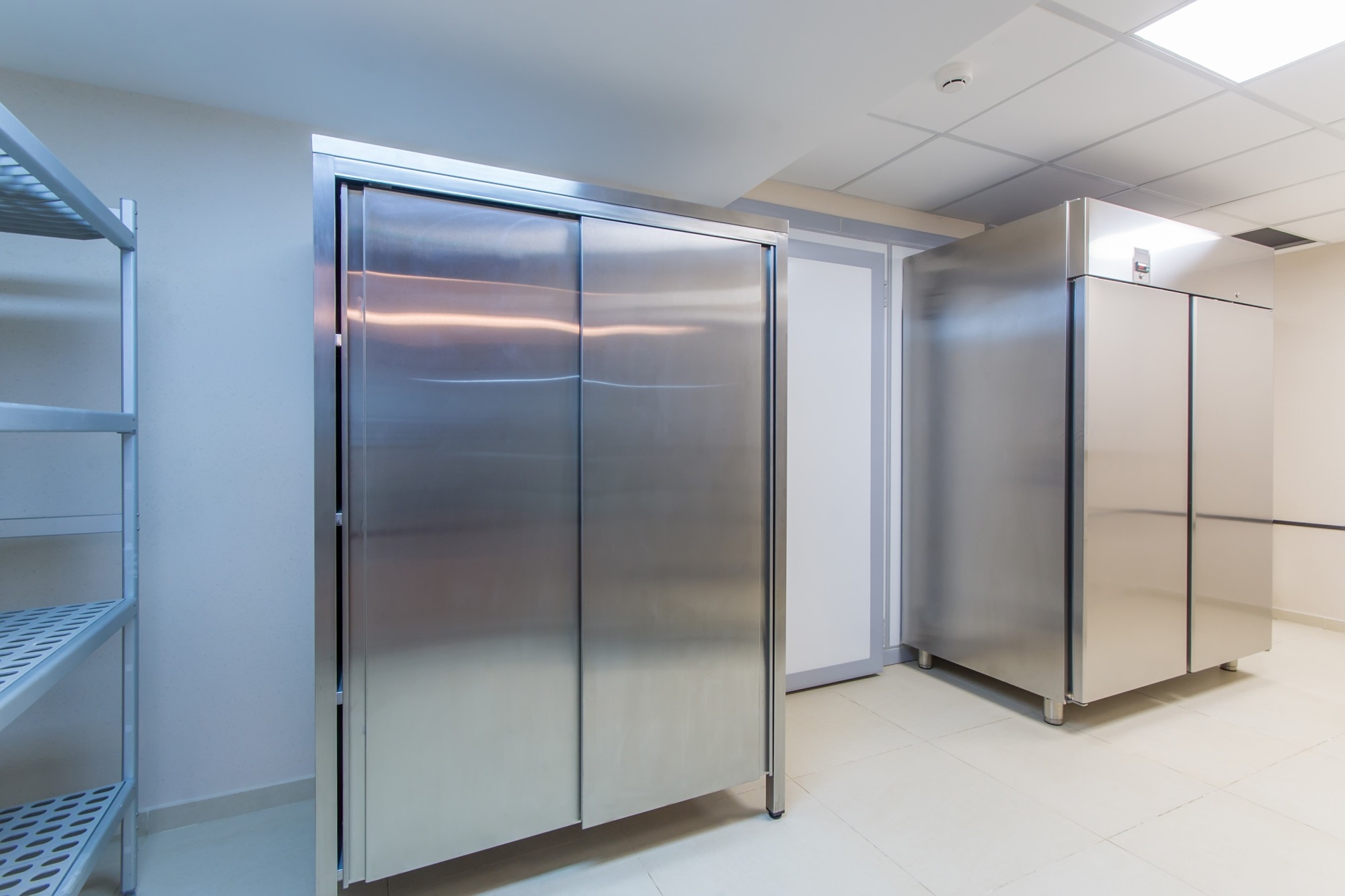
Commercial refrigeration systems are essential for businesses that rely on temperature-controlled environments to store perishable goods. Over time, these systems can become less efficient or fail to meet the demands of a growing operation. Recognizing when it is time to upgrade your commercial refrigeration system can save money, improve product quality, and enhance overall business performance. One key sign that an upgrade is necessary is frequent breakdowns or repairs. If your current equipment requires constant maintenance or parts replacement, it not only disrupts daily operations but also increases operational costs significantly. Older units often lack the reliability needed in a busy commercial setting, making it more economical to invest in newer models with better durability and warranties.
Another indication is inconsistent temperature control within the refrigeration unit. When temperatures fluctuate beyond acceptable ranges, products may spoil faster or lose their intended quality. This inconsistency can lead to increased waste and potential health risks if food safety standards are compromised. Modern refrigeration systems offer advanced technology that maintains stable temperatures more efficiently and alerts operators promptly if problems arise.
Energy inefficiency also signals a need for an upgrade. Aging refrigeration equipment tends to consume more electricity than newer models designed with energy-saving features such as improved insulation, variable speed compressors, and smart controls. High energy bills without corresponding business growth suggest that your system might be outdated and costing you unnecessarily over time.
Capacity issues present another challenge pointing toward upgrading your commercial refrigerator system. If your business has expanded or diversified its product offerings since installing the original equipment, the existing units may no longer accommodate storage needs adequately. Insufficient capacity forces staff to overcrowd shelves or store items improperly outside recommended conditions-both scenarios risking inventory loss.
Changes in regulations around refrigerants should not be overlooked either when considering upgrades. Many older systems use refrigerants phased out due to environmental concerns and legal restrictions on emissions contributing to ozone depletion or global warming potential. Transitioning to compliant refrigerants often requires replacing entire units rather than retrofitting old ones.
Finally, advancements in technology have introduced features like remote monitoring through mobile apps and integration with building management systems that enhance operational oversight while reducing manual labor requirements for staff members managing refrigeration settings daily.
In summary, persistent mechanical issues, unstable temperatures affecting product safety, rising energy consumption without justification, insufficient storage capacity due to business growth, regulatory compliance challenges related to outdated refrigerants, and missed opportunities from technological innovations all indicate that upgrading your Commercial Refrigeration system will benefit both efficiency and profitability in the long term. Being proactive about these signs ensures uninterrupted service quality while positioning your business competitively within its market niche by leveraging modern cooling solutions tailored for evolving industry demands.