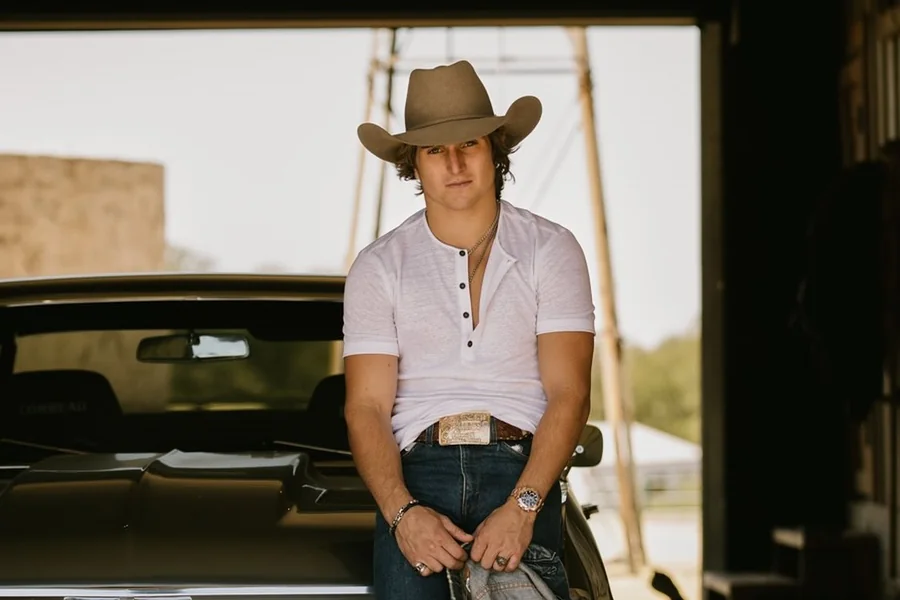
Curiosity about Rocker Steiner often begins with a simple question about age, yet his rise cannot be explained by a number alone. His rapid ascent in bareback riding is the outcome of early exposure to action sports, deep family mentorship, deliberate training, and a mindset built for the long haul. He carries the energy of a new generation while drawing on the lessons of a household known for rodeo excellence. Age is a piece of the story, but the larger picture is one of preparation, opportunity, and resolve.
Texas Beginnings That Set the Tone
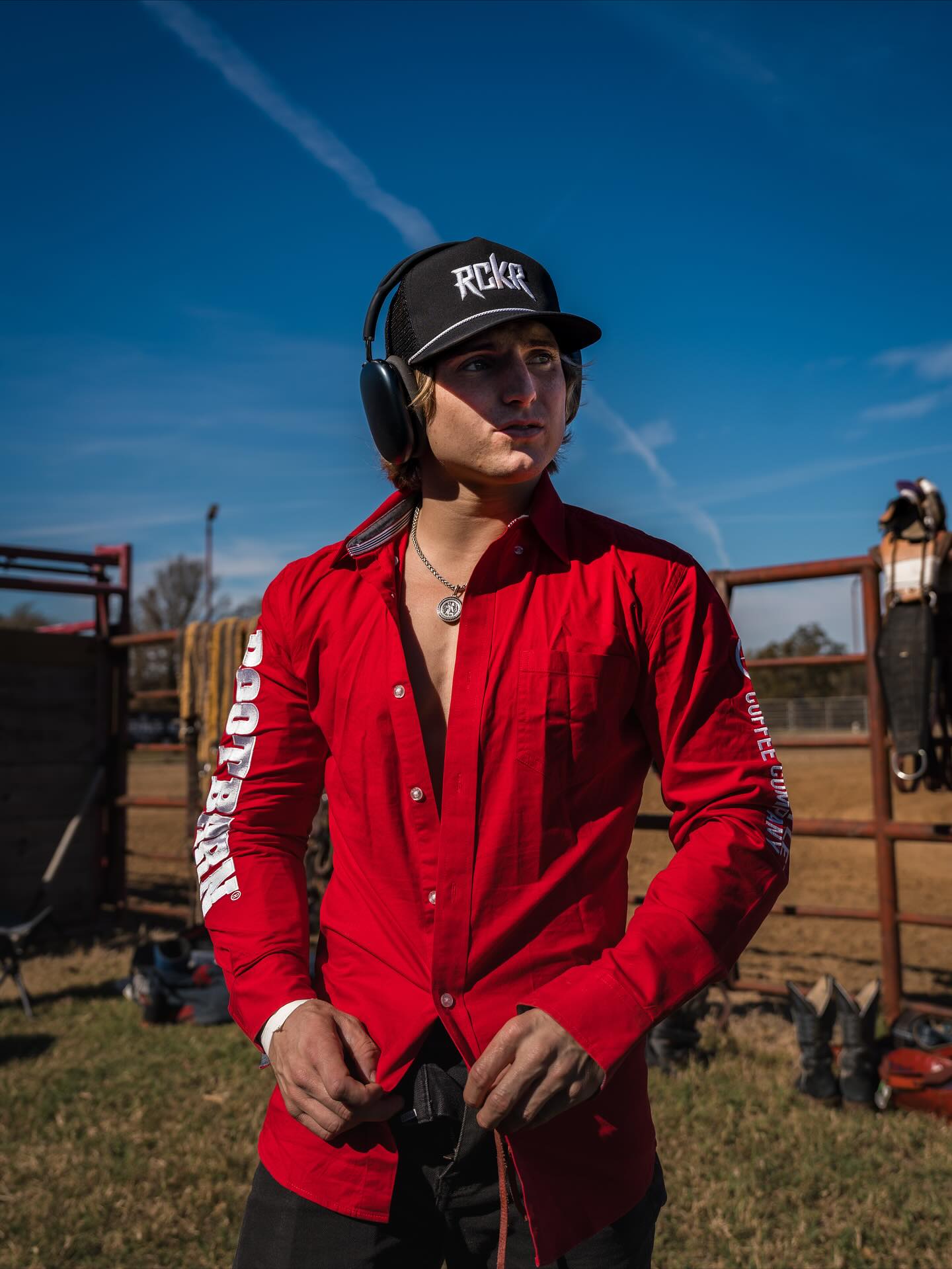
Texas did not just serve as a birthplace for Rocker Steiner. It was the classroom that shaped his identity. The region’s ranching rhythms, horse culture, and rodeo tradition formed the backdrop of his childhood. Where many kids meet athletics through organized school programs, his introduction came earlier and looked different. From the time he could move with confidence, his world involved open land, livestock, and the physical challenges that come with a Western way of life.
One of his first athletic outlets had nothing to do with an arena. At three years old he stepped onto a wakeboard. That experience may seem distant from bucking horses, but it trained balance, core control, quick reactions, and focus. Those qualities are central to bareback riding. The board became an early teacher and laid a foundation that would later show in the way he handles explosive motion and regains position under pressure.
A turning point arrived around age nine when his grandfather, celebrated in the world of bull riding, encouraged him onto a bucking horse. That first ride introduced him to the power and rhythm that define roughstock events. It also forged a bond between generations and set him on a path that would become both vocation and calling.
A Family Name Synonymous With Rodeo
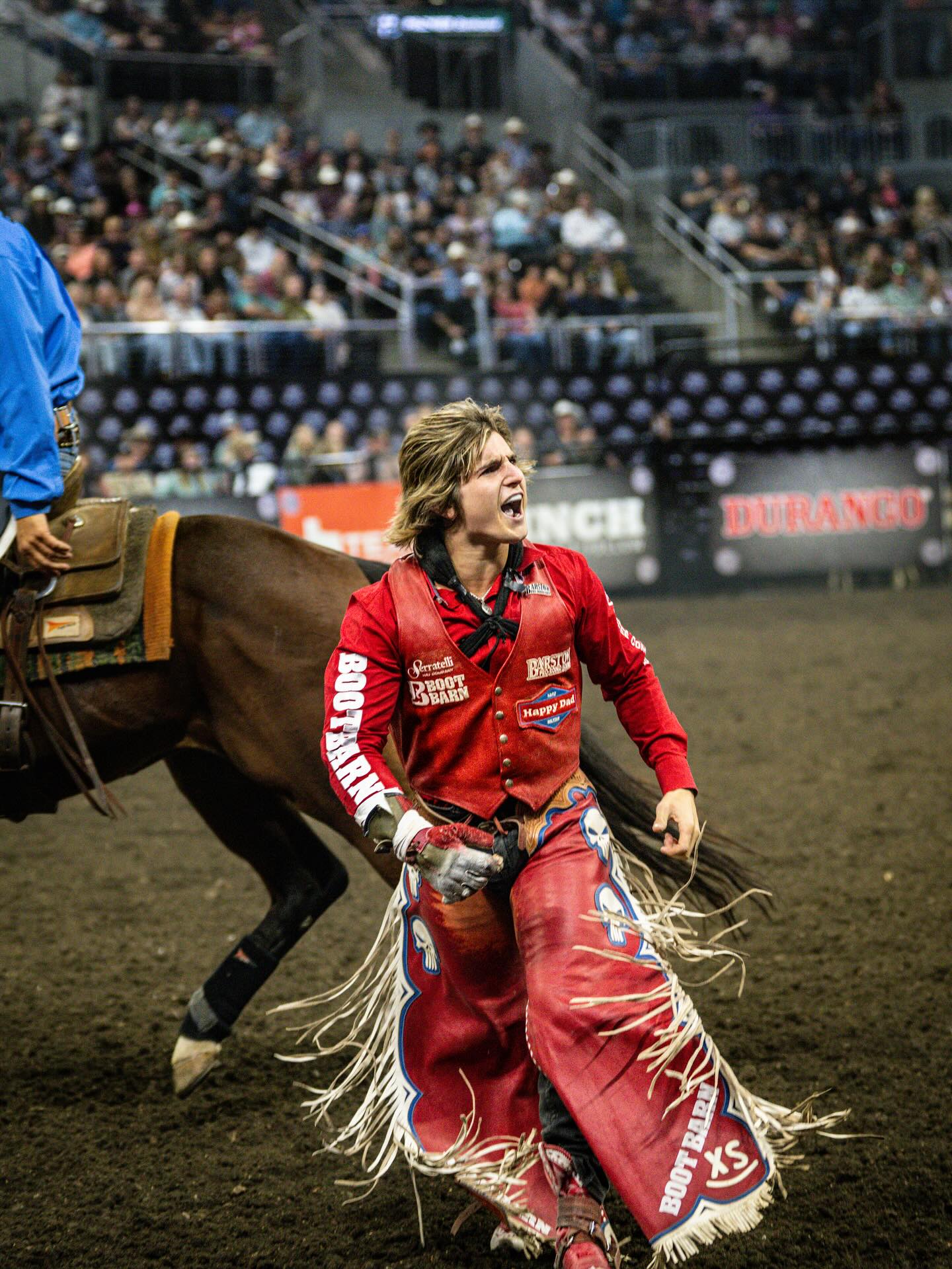
Talent often grows faster when the surrounding environment knows what excellence looks like. The Steiner household is a case study in how legacy can guide a young competitor. His grandfather, Bobby Steiner, earned a world title in bull riding, building a reputation for courage and reliability during an era known for risk and grit. Stories of big rides and hard lessons were part of the family fabric, offering both inspiration and a sober view of the stakes.
His father, Sid Steiner, carried the torch in a different discipline. As the Steer Wrestling World Champion in 2002, he showed that the Steiner name could dominate across events that demand very different skills. Technical acumen, mental fortitude, and event-specific mastery grew into a blueprint for success. For Rocker, that meant having day-to-day access to guidance on training, competition strategy, and mindset. Family gatherings often doubled as informal workshops. Tactics and cautionary tales sat side by side, reinforcing a culture where standards were high and knowledge flowed freely.
Finding His Event in Bareback Riding
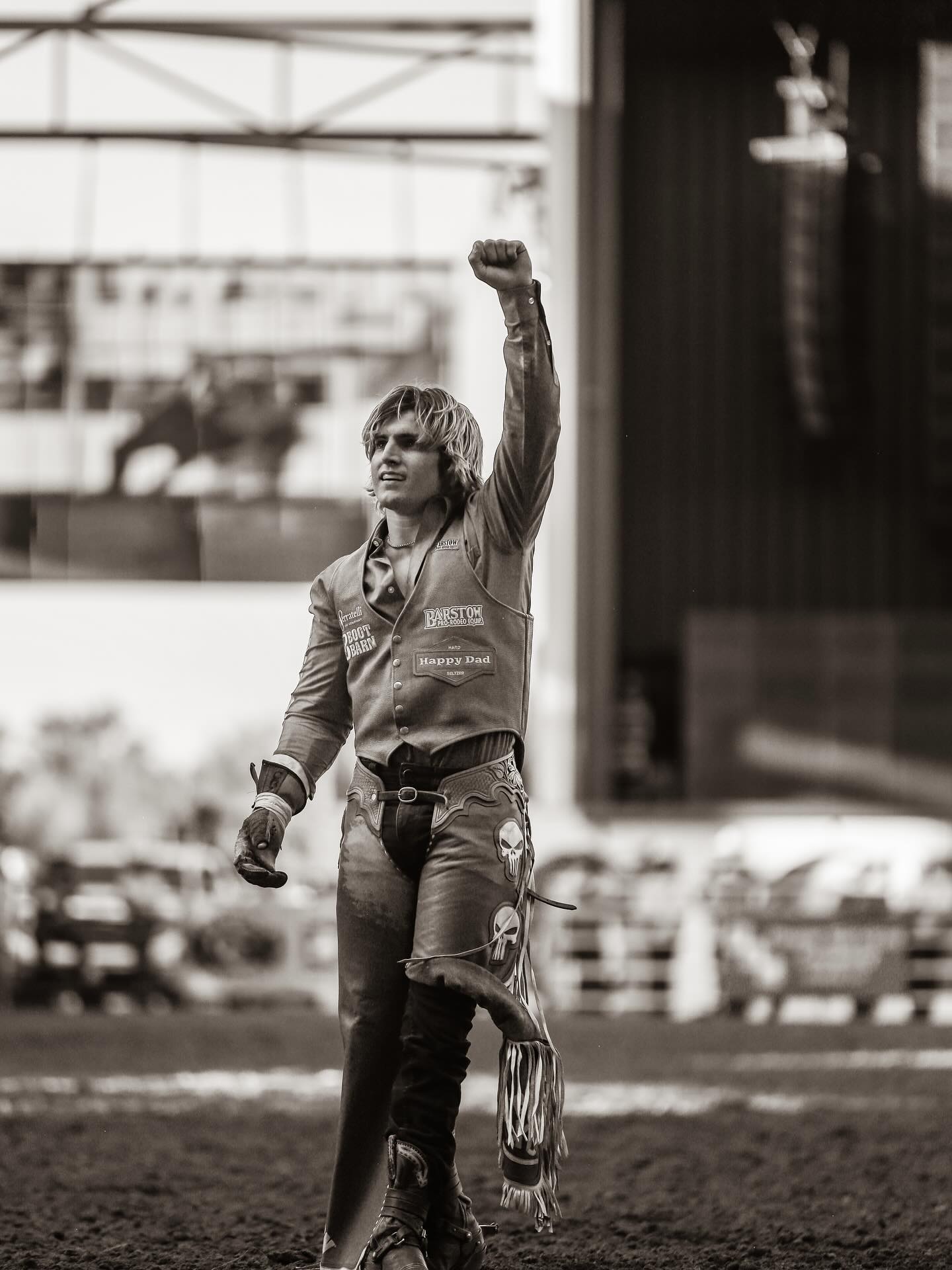
With so many rodeo events available, the challenge is discovering where body type, temperament, and instinct align. For Rocker Steiner, that point of alignment was bareback riding. The event requires a rider to grip a rigging with one hand while harmonizing with the force of a powerful horse. Control of the legs, timing through the spurs, posture under impact, and the ability to breathe and reset in the middle of chaos all separate the good from the great.
The learning curve can be unforgiving. Mistakes are loud and the feedback is immediate. Rocker embraced that reality from an early stage. Training focused on functional strength, precise mechanics, and a calm mind. Sessions often combined drills that build muscle memory with study of animal behavior. Coaches pushed for technical clarity while emphasizing adaptability. He learned to make read-and-react adjustments that match the personality of each horse and the feel of each arena. Rather than forcing a single style, he aimed to be a rider who could change tempo and strategy as conditions shifted.
Stepping Into the Professional Ranks
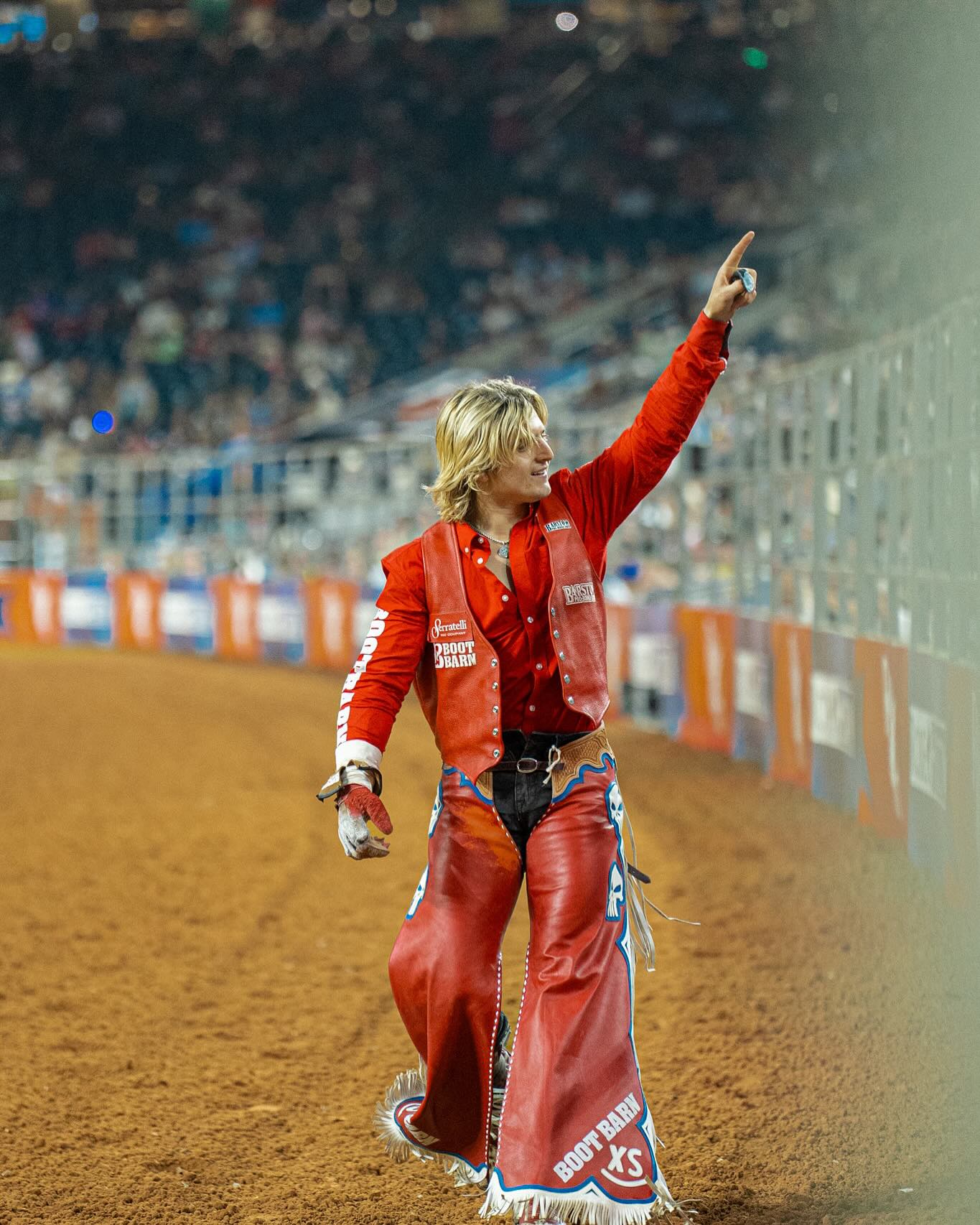
Moving into professional competition is a threshold moment for every rodeo athlete. For Rocker, the transition carried both opportunity and scrutiny. A well-known last name opens doors, yet it also raises expectations. Every ride becomes a public evaluation, not only against current peers but also against a standard set by family achievement.
Early appearances tested his composure. Bigger crowds, stronger fields, tighter margins. He answered those tests with incremental progress. Clean lines in the spur stroke. Better mark-outs. Smoother finishes. The gains accumulated and signaled that he could perform within the precise demands of the event. Rather than chase quick glory, he built a base of consistency that judges notice and fans respect. The result was a slow burn that kept growing, not a flash that fizzled out.
When Momentum Becomes Breakthrough
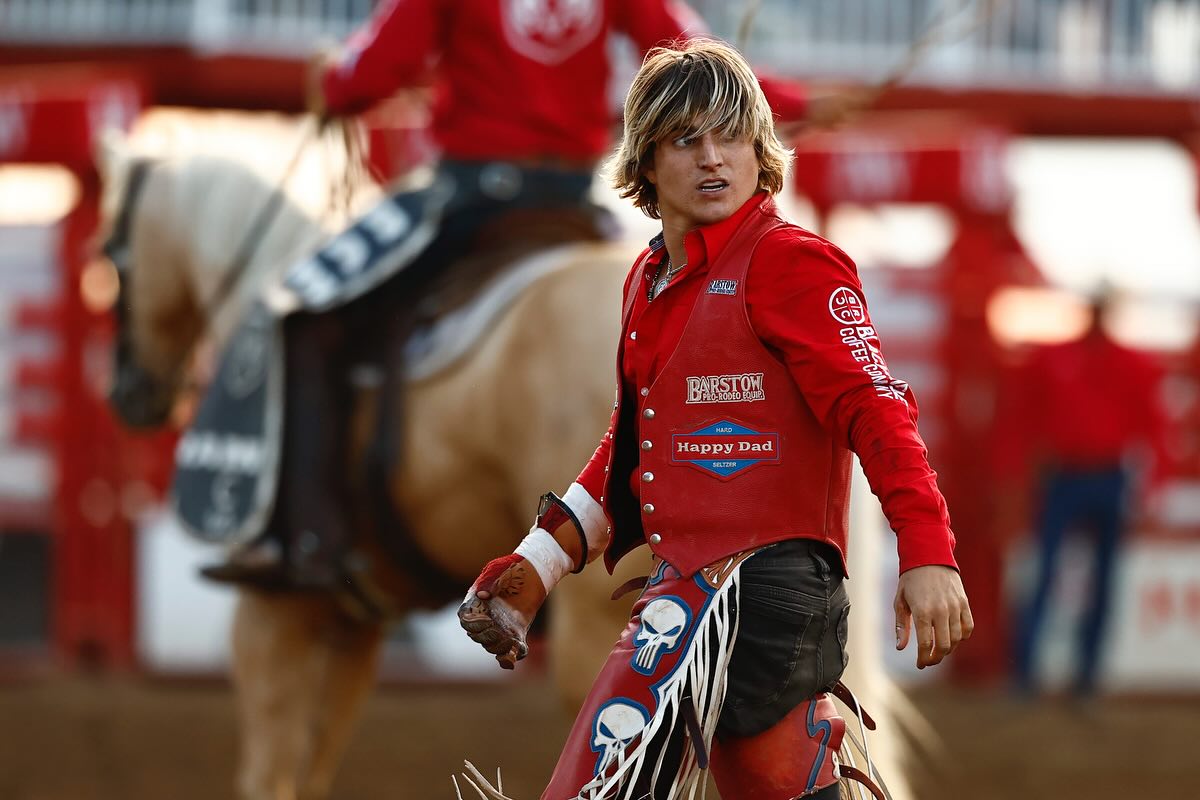
Every athlete experiences a season that crystallizes potential into proof. For Rocker Steiner, that inflection arrived in 2022. He captured a go-round victory at the National Finals Rodeo. The NFR is the capstone event of the sport, and shining on that stage stamps a rider as one who belongs in the conversation.
That same year he stacked wins at major stops, including the Calgary Stampede, the Battle Born Broncs, the Strawberry Days Rodeo, and the Riggin Rally Xtreme Broncs. Each venue presents its own challenges. Different horses. Different dirt. Different energy. Delivering across these settings showed that his success was not confined to a single week or a lucky draw. It came from preparation that travels, a strategy that fits many stages, and confidence that rises in high-stakes moments.
Age, Timeline, and What It Means
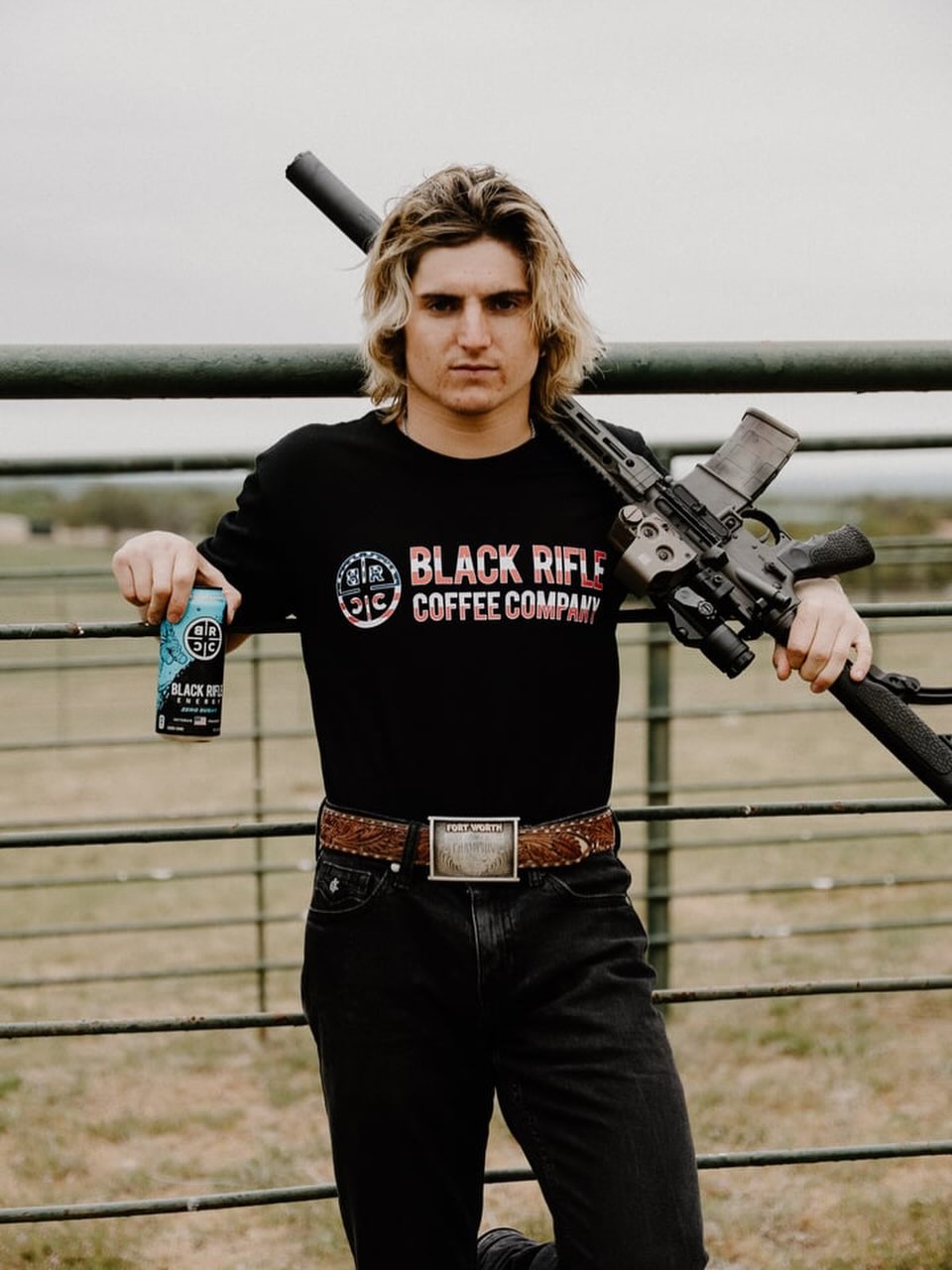
Discussion of Rocker Steiner’s age often underscores how early these accomplishments arrived. Born in December 2003, he entered his twenties with a record of results that many riders collect over far longer spans. Youth can be a competitive asset. Recovery tends to be quicker. Reflexes feel sharp. Learning curves can be steep in a good way.
Yet rodeo is demanding and the wear adds up. What stands out in his approach is a focus on durability. Training blocks include rest and recovery. Conditioning aims to prevent injuries and support power output across a long season. Coaching around decision making prioritizes sustainability. The plan is not just to shine young. The plan is to stretch peak years as far as possible while keeping the body and mind ready.
Life Outside the Chutes
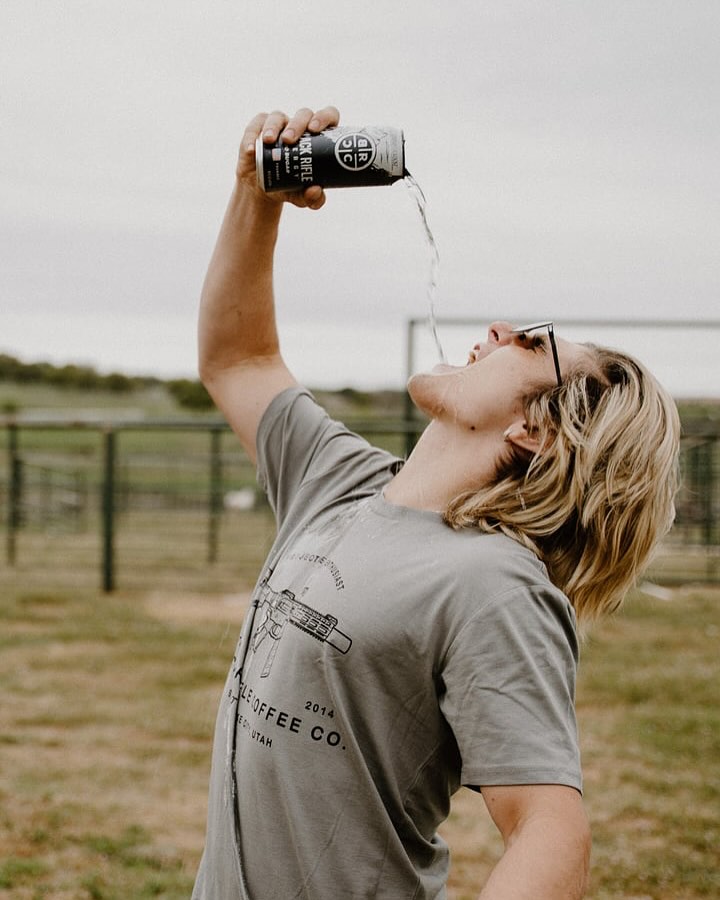
Public attention tends to hover over arena results, but there is a quieter routine behind the scenes. Rocker Steiner lives in Weatherford, Texas, a place that keeps him close to the roots that shaped him. Time away from competition cycles between ranch work, targeted workouts, and family life. The steady cadence of those activities adds balance during months that demand travel and tight schedules.
Wakeboarding remains part of his toolkit, both as cross training and as a mental reset. Moving across water challenges muscles in a different sequence than a bareback horse, yet it complements the stability and reactivity required on ride day. By mixing athletic modes, he reduces monotony and keeps development broad rather than narrow.
How He Connects With Fans
The modern sports landscape rewards athletes who compete well and communicate well. Rocker has cultivated a strong presence on social platforms. On Instagram he shares training clips, contest highlights, and snapshots from daily life. His following there has grown to over a quarter of a million people, a sign that his blend of authenticity and performance resonates.
On TikTok, ride footage and slow-motion breakdowns give viewers a closer look at timing and technique. Candid moments keep the tone human. Music choices, often including artists like Kid Rock, add a cultural thread that links Western heritage to current energy. This approach does more than build a personal brand. It draws in new fans who may have limited exposure to rodeo, expanding the reach of the sport itself.
Training That Covers Every Angle
No one earns consistent rides without heavy work behind them. Rocker’s training philosophy meets the event’s demands from three sides. Physical. Technical. Mental.
- Physical preparation focuses on core stability, leg endurance, and grip strength. Those areas matter when a horse is delivering rapid force and a rider must keep position while driving the spurs with rhythm. Conditioning for the heart and lungs supports long competition days. Mobility work reduces stiffness and lowers the chance of tweaks that can linger.
- Technical practice builds precision. Drills simulate key phases of the ride. Video review in slow motion spotlights small flaws that cost points. Repetition creates an automatic response so that corrections happen without hesitation. The goal is to make good form the default, even when the horse brings an unexpected kick or change in tempo.
- Mental skills reinforce the rest. Visualization helps set the ride before it happens. Breathing resets the system when adrenaline surges. Post-ride analysis keeps emotions steady, whether the result was a personal best or a disappointment. In a sport where margins are thin, mental habits often separate riders with similar physical tools.
Mentors and the Value of Guidance
Even the most gifted competitors benefit from a circle of support. Rocker’s closest mentors remain his family. His father and grandfather share hard-won insights that touch everything from event selection to the realities of a traveling schedule. Their stories act as both compass and map. The compass provides a direction based on values. The map outlines pitfalls and smart routes that might not be obvious from the outside.
Input from coaches and fellow riders adds perspective. Training sessions become places where ideas move both ways. A tip about timing. A note on reading a horse’s first jump. That exchange culture builds humility and keeps growth continuous. No matter how high the ranking, the best in rodeo keep learning because the stock never repeats the same ride twice.
Setbacks, Recovery, and Grit
Rodeo does not hand out gentle lessons. Travel wears on the body. Draws vary in difficulty. Minor injuries interrupt momentum and test patience. Rocker Steiner has moved through those realities with a mindset that treats setbacks as part of the climb. Short breaks become chances to refine form or add capacity that will pay off in the next push.
Losses and off days do not erase skill. They help sharpen judgment. They teach when to push and when to pull back. They highlight the small habits that steady a season. Building this kind of resilience is not just about staying in the game. It is about returning smarter and more composed, a crucial advantage in a high-consequence sport.
Shaping Today’s Rodeo Culture
Rocker stands at an intersection of tradition and innovation. He honors a family name tied to rodeo’s past while speaking fluently to audiences raised on short videos and daily updates. That combination draws younger fans toward the sport and offers sponsors a relatable bridge to the next generation. It also shows aspiring riders that they can respect the old ways and still use new tools to tell their stories.
His influence reaches beyond any single season’s results. A visible and engaging competitor who performs at a high level helps the entire ecosystem. More attention at events. More conversations about technique and safety. More curiosity from people who have never set foot in an arena but feel pulled in by what they see on their screens.
What the Road Ahead Looks Like
The path forward is about sustained excellence and positive impact. With significant wins already in hand, the focus turns to repeating elite performances while staying healthy and grounded. Goals include remaining a factor at marquee events, providing an example to younger riders, and growing a personal brand in a way that supports the long-term health of the sport.
That plan aligns with how he has operated so far. Build capacity. Protect recovery. Make thoughtful choices. If those ingredients stay in place, the transition from rising star to lasting leader feels less like a hope and more like a natural next step.
Bringing It All Together
Searches for Rocker Steiner’s age reflect a reasonable question. How did this much success come so early. The answer rests on a fuller portrait. A Texas upbringing that blended work and play. A family lineage that provided both inspiration and instruction. A clear choice of event and years of targeted training. The courage to perform under bright lights. A modern voice online that connects with fans who may never have watched a rodeo live.
From a first wakeboard ride as a toddler to go-round triumphs at a championship finale, his path shows what can happen when talent is guided, mentored, and challenged in the right ways. Age sets the timeline, not the ceiling. With careful management and steady ambition, the story is still being written and its chapters promise to shape rodeo for years to come.
FAQs
Where was Rocker Steiner born.
He was born in Texas, a state with a deep and enduring rodeo tradition.
What event does Rocker Steiner specialize in.
He competes in bareback riding.
When was Rocker Steiner born.
He was born in December 2003.
Where does Rocker Steiner live.
He lives in Weatherford, Texas.
What was a key breakthrough season for Rocker Steiner.
The year 2022 marked a major turning point with a go-round win at the National Finals Rodeo and victories at several prominent events.
How does Rocker Steiner connect with fans.
He shares competition highlights, training content, and day-to-day moments on social platforms, including Instagram and TikTok, often pairing clips with music choices that match his style.
How did wakeboarding influence his rodeo career.
Wakeboarding developed balance, core strength, and quick reactions at a young age, which later supported his control and timing in bareback riding.