
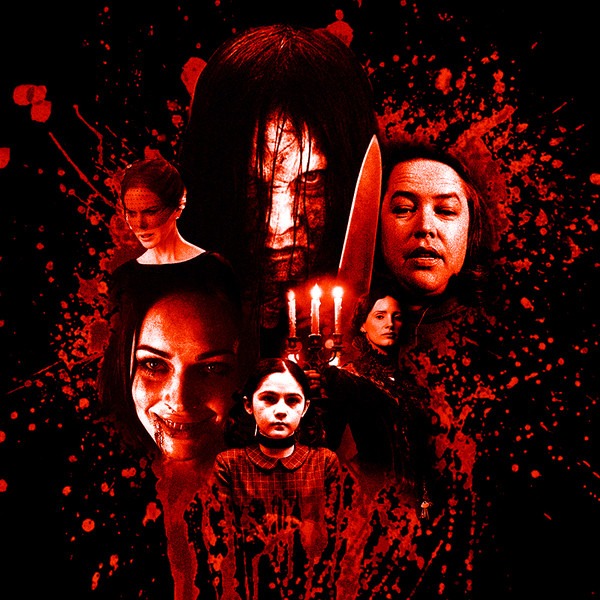
Horror relies on fear, yet not every on-screen menace leaves a mark. When the focus shifts to women who occupy the role of the villain, the field becomes both fascinating and complicated. Many frightening stories still center on women as victims pursued by brutality, which makes the standout antagonists feel even more striking. They challenge expectations, unsettle audiences in new ways, and often force a rethinking of what power and danger can look like on screen.
This piece maps out what makes a female horror villain compelling, how the character type has shifted over time, and why some entries rise to the top while others fade quickly. Instead of a simple list, consider this a framework for understanding the spectrum from unforgettable to forgettable. The goal is to understand why certain portrayals become part of the genre’s memory, and why many do not.
Why a ranking matters
Horror is a conversation with fear. Villains are the grammar of that conversation, and their design shapes our emotional experience. Ranking female horror antagonists is not about who racks up the most carnage or who looks the scariest. It is about impact. It is about who changes the temperature of a scene without speaking, who lingers in the brain after the credits, and who reveals something new about dread, obsession, or desire.
When we place these characters on a spectrum, we are measuring a few ongoing tensions. We weigh cruelty against motive. We weigh charisma against plausibility. We weigh iconic images against shallow shock. We also measure how a portrayal treats femininity, power, vulnerability, and the body. The strongest entries tend to cut against lazy patterns while still delivering jolt and suspense.
Core criteria for evaluating fear
The difference between best and worst usually comes down to craft and intention. These criteria reveal that gap:
- Motivation with texture. The why behind the terror should be messy, unsettling, or surprisingly logical. Thin backstories create thin fear.
- Presence. Performance, gesture, and silence can do more than dialogue. A villain who can command a frame without exposition has staying power.
- Psychological shape. Even when a villain appears supernatural, there should be some internal rules or contradictions that an audience can feel.
- Symbolic charge. The character should carry meaning beyond the plot. The figure might channel anxieties about control, intimacy, or the unknown.
- Visual identity. Costume, movement, and framing can turn a villain into a living symbol. One striking image can echo through an entire film.
- Sound and silence. Aural design, breath, and the use of quiet can make or break a scare.
- Agency and consequence. The villain must push events forward and force others to react. If the story could unfold the same way without her, she is not central.
- Originality within tradition. The character can echo past archetypes, but needs some twist that feels distinct.
Archetypes and how they work
Female horror villains often arrive through a few recognizable lenses. Each can yield brilliance or banality depending on execution.
- The calculated seducer. Charm makes the trap look safe. When done well, this archetype exposes the fear of misreading intent and the danger of trust. When done poorly, it reduces the character to costume and cliché.
- The scorned avenger. Rage and injury fuel the engine. The sophistication here lies in complexity. If anger is the only note, the character becomes a blunt instrument. If the writing explores grief, betrayal, and a warped ethics, the result can be terrifying and tragic.
- The domestic terror. The familiar home turns hostile. This frame manipulates the comfort of kitchens, nurseries, and bedrooms. The creepiness rises when the routine becomes ritualistic, when everyday objects take on ominous meaning.
- The shapeshifter. Identity itself becomes fluid. This can be literal transformation or a social mask. The fear stems from instability and the impossibility of knowing who is in front of you.
- The zealot. Faith or ideology sharpens into ruthlessness. This works best when conviction feels believable rather than theatrical. The viewer should sense that the villain would do these things even off camera.
- The unstoppable force. Some figures are pure momentum. Minimal dialogue, relentless advance, and a single-minded goal. To avoid emptiness, filmmakers often build texture through environment, sound, and the reactions of those in the way.
From best to worst, a working spectrum
Instead of listing individual names, it helps to group qualities that define each band of the ranking. These tiers clarify why some female villains are still discussed long after release while others leave no trace.
Top tier: The unforgettable
These villains reshape the genre conversation. They have a presence that can silence a theater. Their motives read clearly even when the script withholds details. They alter the rhythm of scenes. Viewers can describe their posture and the way they inhabit a room. Their actions feel inevitable once we accept their internal logic, which makes the horror feel honest rather than manipulative.
In this tier, visual language is acute. A single shot might juxtapose innocence with menace in a way that burns into memory. Their attacks often come with an eerie patience. Silence is a blade. The story grants them agency without erasing vulnerability, which widens the emotional palette. Above all, they change how audiences imagine danger and desire.
High tier: The memorable
These figures command attention and deliver unsettling moments that viewers recount later. Perhaps one sequence becomes a talking point. Their design might not be revolutionary, yet craft and performance elevate them. The psychology holds even if it leans on familiar beats. When they exit a scene, the air feels different. They contribute to the film’s identity rather than merely decorate it.
Middle tier: The competent
This group is effective inside the film but rarely escapes it. They carry out the needed plot functions and can create tight suspense. Still, the character often depends on devices we have already seen. Once the movie ends, details blur. The problem is not failure but a lack of distinctive emotional or symbolic charge. They serve rather than define.
Low tier: The thin
Here the portrayal leans on stereotype. Motives arrive through quick exposition or tired assumptions. Costuming and makeup do heavy lifting that the writing and performance do not support. Jump scares replace tension. The role might exist to push the story from one set piece to another without a real sense of interiority. These entries fade fast because there is nothing fresh to hold onto.
Bottom tier: The regrettable
These are the portrayals that feel exploitative or incoherent. The character functions as a prop for violence rather than a purposeful antagonist. Depictions of femininity can collapse into cruelty without thought. Decisions appear to happen for shock rather than out of motivation. Viewers leave with a bad taste rather than fear.
The evolution of the on-screen villainess
Across the decades the female antagonist has shifted from curiosity to complexity. Early portrayals often framed dangerous women as moral lessons, using their fall as cautionary spectacle. Later waves widened the lens. Madness was no longer the only explanation. Characters were given strategy, wit, and contradictions. The home stopped being a safe background and instead became a stage for dread. The body became a site of power and terror that could not be so easily categorized.
Modern storytelling continues to push this growth. Some depictions now treat womanhood not as a reason for villainy but as one part of a layered person. Conflicts might involve institutional power, intimate betrayal, or supernatural bargains. The emphasis has gradually moved from what she is to who she is and why she acts. This expansion unlocks new forms of fear because the audience cannot dismiss her as a simple trope.
The psychology of fear and identification
What makes a female villain frightening is rarely just the threat of injury. It is the invasion of the everyday. It is the unsettling possibility that love, duty, or care can weaponize into cruelty. Many of the most effective portrayals exploit ordinary settings. A kitchen becomes a stage for ritual. A child’s room turns into a place of unspoken rules. A quiet hallway becomes a corridor of suspense where floorboards feel treacherous.
Identification complicates things in powerful ways. Viewers may recognize elements of themselves in the villain. Ambition, resentment, or the desire to be seen can distort into violence on screen. The best works do not offer tidy moral comfort. Instead, they clarify the lines between recognition and endorsement. That complexity is fear’s ally.
Performance, direction, and the choreography of menace
A great villain is a collaboration. Directors shape how long the camera lingers. Performers craft breath, blink rate, and the rhythm of movement. Editors decide when to cut away from a stare. Each choice tunes the frequency of dread.
Small gestures can dominate the memory of a film. A hand that does not quite touch a shoulder. Eyes that seem to hear thoughts rather than words. A walk that is just a little too smooth for the terrain. These details build a character who feels alive within a world of rules. When the performance aligns with the frame, the result is a menace that feels precise rather than broad.
Visual language and symbolic design
Horror is visual thought. Wardrobe choices, color palettes, and props operate as a second script. Costuming can project control or disarray. Clean lines suggest intention. Frayed edges hint at fracture. Light can turn a face into a mask. Shadow can erase the human features and leave only a shape that moves with alarming calm.
Symbolic design lifts a character into meaning. Items can double as talismans. Environments mirror inner states. Repetition becomes ritual. The audience senses pattern even when it cannot predict the next move. This coded world makes the villain feel inevitable within the story’s logic, and that inevitability elevates fear.
Sound, silence, and the pressure of the unseen
Sound design often carries a villain’s threat. Not just the score, but also the tightness of a breath, the scrape across a floor, or the absence of environmental noise. Silence can be louder than any scream. It pulls the viewer forward, waiting for the break. When the film trusts quiet, a glance or tilt of the head can land harder than a thunderclap.
Whispers, half-heard words, and layered household sounds construct a different kind of scare. The audience leans in, straining to catch details. Tension grows because the mind begins to fill the gaps. Few tools are as potent as the space between sounds.
Violence, agency, and ethical imagination
Horror demands confrontation with harm, but the way a film stages violence reveals its ethics. When the camera treats injury as spectacle without weight, fear dulls and cruelty takes center stage. The strongest portrayals give the villain agency that is not limited to causing pain. Strategy, manipulation, and restraint become as chilling as an attack. Scenes of harm carry consequence, and the story acknowledges the cost.
Agency also means the character makes choices that alter the narrative. A poorly drawn antagonist reacts more than acts. A considered portrayal changes the course of events and forces the other characters to rethink their assumptions. This is where villainy becomes story rather than garnish.
Subgenres and how they shape the role
Different horror traditions invite different strengths in a female villain. Intimate, home-centered tales highlight psychological nuance and slow-burn dread. Supernatural narratives allow for grander symbolism and bigger moral questions. Survival stories test ingenuity and endurance, often grounding the villain in tactical thinking and endurance.
Body-centered plots can veer into exploitation, yet they can also explore identity, autonomy, and transformation with striking power. The difference lies in intention and gaze. When the body becomes a site of meaning, rather than a canvas for cruelty, the character gains dimension and the fear gains depth.
Global perspectives and cultural codes
Horror travels across borders, and with it the figure of the female villain. Cultural codes shape how fear is expressed. In some traditions, restraint and atmosphere dominate. In others, confession and emotional crescendo lead. Domestic space may carry different histories, and rituals may encode unique anxieties. A ranking that acknowledges these variations is richer and more honest. What terrifies in one context may whisper in another, yet both can produce unforgettable characters when rooted in genuine human concerns.
Common pitfalls that sink a portrayal
- Backstory as excuse. A quick explanation dumped near the end does not create empathy or fear. It reads as patchwork.
- Costume over character. Memorable outfits cannot hide an empty center. Clothes should express who the villain is, not replace it.
- Shock without logic. Surprises that contradict established rules pull audiences out of the story. Once trust is broken, fear diminishes.
- Misogyny dressed as menace. Portrayals that rely on degrading tropes corrode the experience and age poorly.
- Inconsistent power. If the villain’s abilities change to suit each set piece, stakes evaporate.
Signs that a villain will enter the top tier
- Echo effect. Viewers remember specific gestures and images days later.
- Duality. The character is both human and mythic within the same frame.
- Story gravity. Scenes reorganize around her presence even when she is silent.
- Moral friction. The audience feels uneasy empathy or understanding that does not erase the horror.
- Precision. Every choice, from lighting to blocking, seems to serve the character’s essence.
How to build a better ranking
Creating a thoughtful hierarchy begins with clarity about values. Decide whether innovation weighs more than execution. Decide how to credit performance versus writing and direction. Consider how cultural context shapes reception. Then evaluate how an antagonist functions through the entire runtime rather than in one climactic moment.
Balance gut reaction with close reading. The heart knows when a chill is real. The brain can explain why. Look for consistency in the character’s actions, coherence in the rules that govern her world, and imagery that deepens meaning. The best lists also recognize variety within excellence. A quiet manipulator and a thunderous force can both occupy the top spot for different reasons.
Case patterns without names
Several recurring patterns illustrate what lifts or lowers a ranking, even without pointing to specific titles or figures:
- The smile that withers a room. A measured grin appears during a moment of supposed safety. Conversation slows. The camera holds. The audience senses a trap closing, though no plan has been spoken. This kind of moment reflects power that does not need noise.
- The chore ritual. An everyday task repeats, each time gaining new menace. Perhaps a cupboard door always half-closes, or a list on a refrigerator grows in ways that do not make sense. Repetition weaponizes routine, turning the home into a pressure chamber.
- The belief that never bends. A character’s unshakable conviction creates the scariest scenes. When others plead for reason, the refusal feels like a locked door. Audiences fear what will not listen.
- The stillness before the sprint. Motion matters only because stillness was so absolute. A villain who can freeze a room with quiet earns the right to frighten when speed arrives.
- The broken lullaby. Comfort mutates into warning. A melody, a bedtime phrase, or a pet name shifts tone across the film until it becomes unbearable to hear. Sound becomes symbol, and symbol becomes terror.
Representation and responsibility
When storytelling gives center stage to a woman as the architect of fear, it carries responsibilities. Rich portrayals resist flattening people into objects of cruelty. Nuance does not reduce fright. It heightens it because it respects the complexity of human motives. Thoughtful representation also invites a wider range of actors and perspectives, which opens new avenues for suspense and surprise.
Diversity within villainy matters. Age, body, class, culture, and belief shape how menace manifests. The genre gains when it allows different kinds of women to be intelligent, dangerous, and specific. The danger is not in variety but in thoughtless repetition.
The power of restraint
Horror often grows from what remains unseen or unsaid. Restraint can be particularly potent with a female antagonist because cultural narratives frequently overexplain women’s motives. Letting mystery breathe can amplify both fear and respect. Audiences do not need to be told every detail of a character’s past to understand her. They do need to believe that there is an interior life guiding her actions.
What the future holds
The trend line suggests more complexity, more moral ambiguity, and more attention to how setting and sound define threat. Expect portrayals that interrogate power in families and institutions. Expect stories that turn care into control and obligation into dread. The next unforgettable villain will likely emerge from a collision of strong performance, disciplined filmmaking, and an idea that captures a current anxiety.
Putting it all together
When we talk about the best female horror villains, we are really talking about craft and imagination. The characters who rise to the top feel inevitable within their worlds. They bend scenes around them. Their presence reframes what safety means. They carry visual and sonic signatures that echo long after the story ends. The middle band delivers thrills but rarely changes the way we think about fear. The bottom fails by leaning on shortcuts that audiences recognize and discard.
Horror endures because it adapts to our worries. Female antagonists, at their strongest, force us to face the discomfort of power where we did not expect to see it. They transform domestic spaces into arenas of danger. They turn affection into leverage. They use silence as a weapon. Ranking them is a way of understanding which stories tapped into something lasting and which chased a quick scream.
In the end, the most haunting villains are not the loudest or the bloodiest. They are the ones who reveal a deep truth about control, vulnerability, and the masks people wear to survive. They pull the ordinary world one inch off its axis, and that small tilt makes everything feel wrong. When the screen goes dark, they remain, not as a costume or a shock, but as a presence that has redrawn the edges of fear.