The promise sounds irresistible. Book an appointment, nap through the session, and wake up with eyes that look camera ready before coffee. That story sells services and fills feeds with glossy before and after photos, but it glosses over the hard parts. In 2026 synthetic fibers have reached a level of refinement that mimics healthy human lashes with startling accuracy. Even so, the outcome still depends on hands, habits, and respect for biology. Adhesive and fibers alone do not keep follicles thriving. Skill does. Daily care does. Realistic expectations do.
Anyone who has worn extensions knows the shortcut pitch by heart. You wake up polished and skip mascara. The truth is more complicated. Heat, humidity, sleeping positions, natural shedding, skin oils, and rushed artistry compete against retention from day one. The look is beautiful when executed well, yet the process is demanding, the upkeep is non negotiable, and poor technique can lead to lasting problems. Think of it as a beauty contract. You sign with your time, your budget, and your willingness to follow the rules.
The end of the heavy lash era
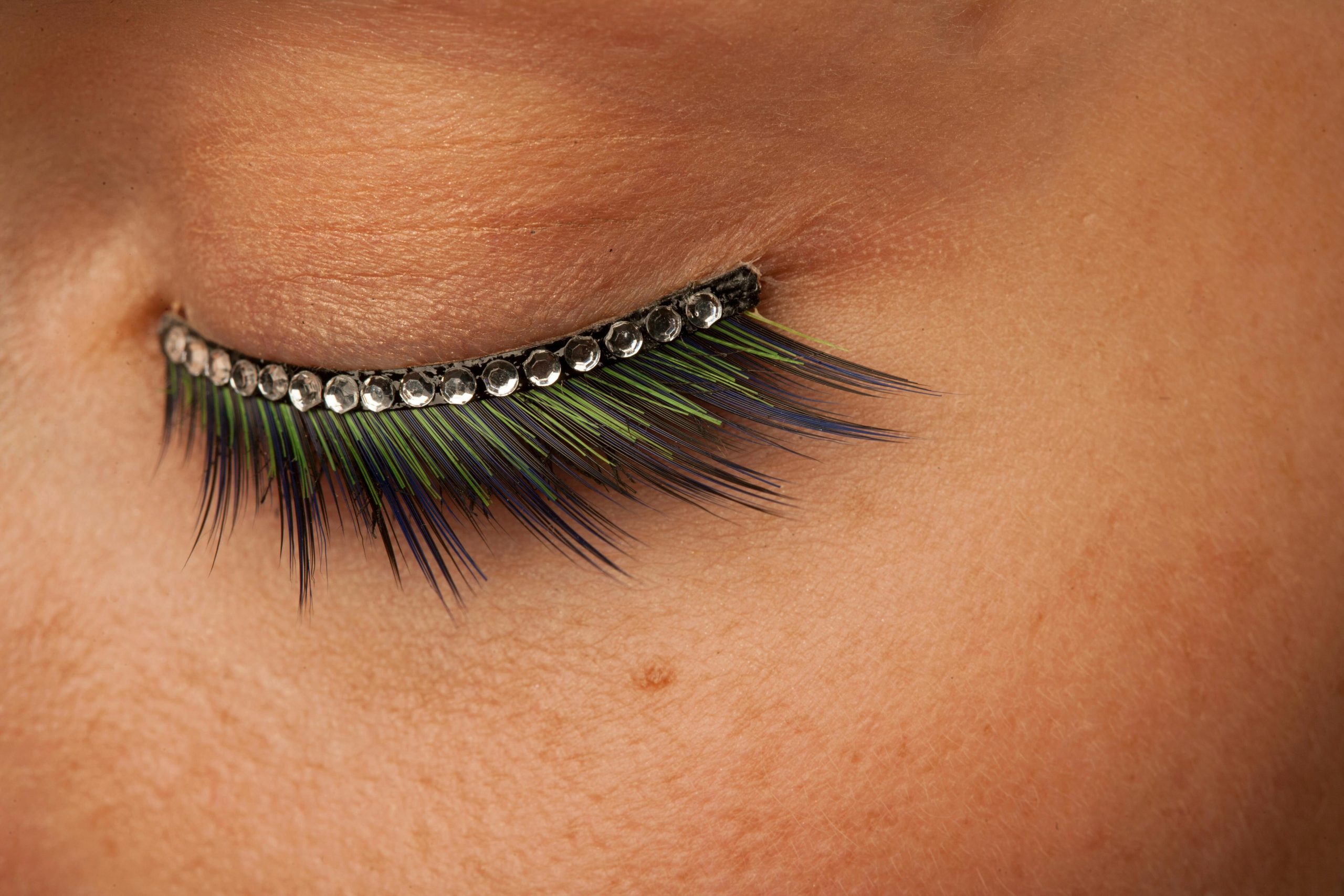
Big, blocky fans that dominated the 2010s have finally lost their hold. The market has shifted toward a refined finish that frames the eye without weighing it down. Thick, plastic looking clusters dull the gaze and can even make lids feel tired. Today the focus is on dimension and sheen rather than bulk. The modern goal is definition that moves with the eye and mimics the way real lashes clump when damp, not a stiff strip that looks stamped on.
One approach leading that movement is often described as the wet effect. Narrow, closed bundles are placed to create a sleek, saturated finish, almost like you have just misted your face. The density is controlled, the surface looks inky and reflective, and the texture reads as healthy rather than artificial. When mapped properly it reads fresh, sharp, and expensive, not like an inexpensive strip bought on a whim.
Another direction sweeping feeds is inspired by animated character design. It relies on long spikes contrasted against much shorter fillers, with careful spacing to produce a wide eyed, slightly jagged rhythm along the lash line. This mapping can be stunning but it is unforgiving. If the placement drifts even slightly, the eyes can look mismatched. Weight balance matters here as well. If spiked bundles are built too heavy for the host hair, they loosen early or topple to the side. Many stylists attempt the look without the fine control it demands, and the result is a patchy line that sheds fast.
Why bargain sets still cause trouble
There will always be someone willing to apply a full set for far less than a specialist. The hidden price shows up after the appointment. The biggest risk is traction on delicate lashes. When a bulky fan is attached to a fragile or immature natural hair, that natural hair can be pulled out before it is ready. Repeat that mistake over and over and the follicle may stop producing. Eyelids are not an area where you want to gamble on regrowth.
Isolation is the other cornerstone often ignored in rush jobs. Every extension should be bonded to a single natural hair. That sounds basic, and it is, but speed and inattention lead to stickies, where two or more lashes are glued together. Natural hairs grow at slightly different rates. When they are trapped in a clump they tug on each other. Clients feel that pulling as tightness or soreness. Redness follows, and sometimes twisting or ingrown hairs. An appointment that wraps in a fraction of the usual time almost always means shortcuts were taken on separation. There is no secret method that performs perfect isolation in record time. It is slow, meticulous work by design.
The myth of effortless upkeep
Extensions are often advertised as a low effort alternative to mascara. The truth is the opposite. High quality sets demand deliberate daily care. Oil heavy products break down the adhesive quickly, especially around the lash line where cleansers, face creams, and sunscreens tend to collect. People who stick with favorite balms or oil cleansers usually see their investment on the pillow by morning. The problem is chemistry, not luck.
The first day after application is the strictest window. The adhesive needs time to cure. Steam, hot workouts, and tears all add moisture that interferes with that process, and heat creates a hostile environment for a bond that is still settling. Once that period has passed, water is not the enemy. In fact, clean extensions last longer and keep the eyelid skin healthier. Foam cleansers designed for lash wearers remove residue without leaving a film. Gentle brushing and drying restores fluff and spacing.
Sleep habits might be the hardest hurdle. Face first sleeping crunches and bends fibers. Side sleeping lets the pillow rub the lash line every night. Switching to back sleeping preserves the shape, minimizes friction, and extends time between fills. This single change can determine whether a set stays symmetrical or collapses into gaps in under two weeks.
Materials that define the 2026 standard
Forget the old talk about animal hair. Modern extensions are made from a refined synthetic, often called PBT or synthetic silk. It keeps a consistent curl, it is more compatible for many wearers, and it avoids the problems that come with animal derived fibers. The emphasis now is on lightness. The thinner the extension, the less strain the eyelid bears. If a client can feel their lashes slapping or weighing down the lid, the design is too heavy for everyday wear. Eyelid skin and the muscles beneath it are delicate. Year after year of excess weight can contribute to sagging and fatigue. A thoughtful artist chooses diameters and lengths that respect the natural lash rather than overpower it.
Design should also consider how a person lives. Someone who exercises in heat or wears contact lenses needs a set with excellent balance and minimal bulk. Someone with naturally fine hairs needs conservative weights and lengths. These choices are not about trend, they are about long term comfort and keeping the lash line healthy.
Adhesive and air quality
The bond that holds extensions in place is built on cyanoacrylate chemistry. Over the years formulas have improved, and lower fume options exist, but the core reality has not changed. When adhesive cures it releases fumes, and in a room without proper airflow those fumes linger. A studio should control humidity and keep air moving so both the technician and the client are not breathing irritants for hours. If a space smells like a harsh nail product, that is a sign that ventilation is not where it needs to be. Working inches from the eye calls for a space that treats air like a priority, not an afterthought.
Adhesive choice also relates to the speed of the artist and the climate in the studio. Faster setting glues require quick placement and thrive in certain humidity ranges. Slower cures offer more adjustment time but can be sensitive to oils. A seasoned professional selects the formula based on timing, temperature, and the client’s sensitivity, then adjusts drop size and refresh rate as the appointment progresses. These invisible decisions are part of what separates competent work from guesswork.
Fills are not simple touch ups
People often assume a fill is a quick top off. In reality it is a methodical service. The artist must identify which extensions have grown far enough away from the lid to twist or droop, remove those without harming the new growth, and rebuild the set to restore balance. That takes time and precision. If someone stretches the schedule too far the set shifts from fill territory into almost starting over, because the remaining work requires a full map and substantial new application. Waiting too long produces gaps that nothing can disguise. A good studio will be honest about when a mostly empty set is no longer a fill.
The crowded education landscape
Training opportunities have exploded. That sounds positive until you look closely. Short courses can hand out certificates to people who have not spent enough time learning eye anatomy, lash growth cycles, proper isolation, weight calculations, or sanitation. The public cannot easily tell the difference between a stylist who has real mastery and someone who can stick fibers on quickly. The price for that confusion is paid by clients who lose density, develop irritation, or walk out with a design that does not suit their eye shape. Clear standards are still missing in many places, which means consumers have to ask hard questions before trusting their eyes to a stranger.
How to vet a lash professional
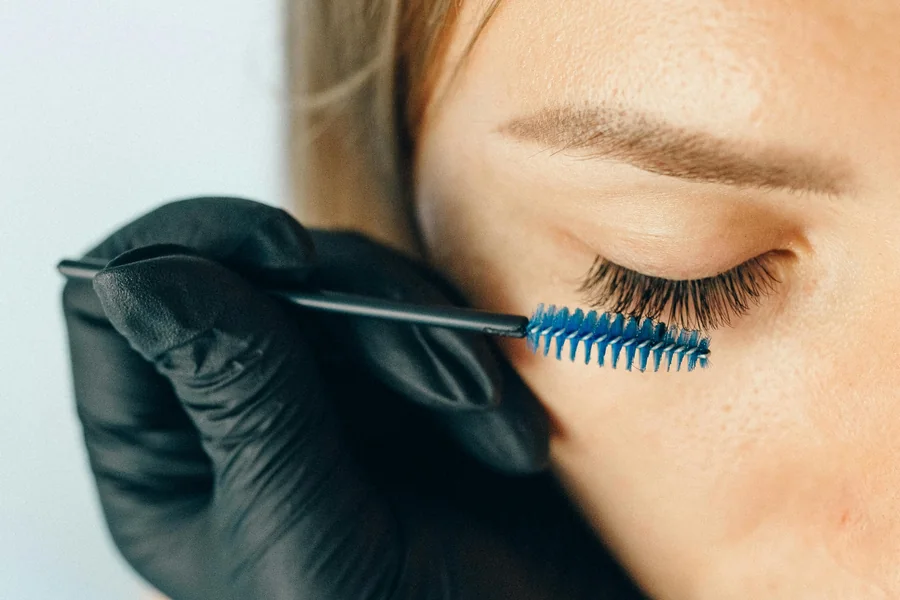
- Look for detailed before and after photos that show close ups of isolation, not just filters and angles. Zoom friendly images reveal whether bases are neat and even.
- Ask what diameters, curls, and mapping they recommend for your natural lashes and why. A thoughtful answer references your lash strength and eye shape.
- Pay attention to scheduling. A full set booked for a very short window likely means rushed work. Quality isolation takes time.
- Listen for aftercare instructions. A pro explains cleansing, product restrictions, and sleeping tips in clear language and checks that you understand them.
- Observe the studio’s air circulation and cleanliness. Ventilation matters. So do disposable tools where appropriate and proper sanitation between clients.
Design choices that respect natural lashes
Extension work should enhance what you naturally have, not fight it. That means tailoring length so the extra leverage does not flip the hair or stress the follicle. It means picking curls that open the eye without poking lids or brows. It means choosing narrow, lightweight fans or single fibers when density is low, and saving heavier looks for clients with strong natural foundations. More is not always better. Intention beats volume every time.
If your eyes feel tired, gritty, or tender after an appointment, something is off. That could be weight, isolation, product sensitivity, or even mapping that drags the outer corner down. Speak up. Comfort is a key metric of good work. Long wear without awareness is the goal.
What daily life with extensions really looks like
Plan on a simple but consistent routine. Cleanse the lash line with a water based product and a soft brush. Rinse well, then pat dry. Fluff with a clean spoolie once dry to keep fibers separated. Avoid rubbing, tugging, and pressing on the lashes during skincare and makeup removal. Choose creams and sunscreens that do not leave a heavy oil film around the eye area. If you sweat heavily, rinse the lash line after workouts to remove salt. Repeat these steps gently and regularly and you will preserve both the look and your natural lash health.
Makeup choices change too. Mascara defeats the purpose and complicates cleansing. Waterproof formulas in particular create a cleanup battle that weakens bonds. If you crave extra intensity, a tightline of water based liner and a darker lash map can deliver the same punch without the mess. Brow balance also matters. Fuller brows paired with refined lashes create harmony that reads modern. Sparse brows with maximal lashes can feel top heavy. Consider the whole frame, not just the fringe.
The honest cost of commitment
Extensions are best viewed as an ongoing luxury, not a one time solution. The material cost, the time investment for precise application, and the regular fills all add up. If your budget cannot support maintenance every few weeks, a lash lift and tint can be a smarter path. It enhances what you have, shortens the morning routine, and sidesteps the adhesive and fill schedule entirely. There is no shame in choosing a service that aligns with your lifestyle. Beauty should support your day, not control it.
Social media versus reality
Short videos and curated photos simplify a process that is anything but simple. They rarely show the painstaking isolation, the adhesive droplet refreshes, the mapping corrections, or the removal of grown out pieces. They barely mention ventilation or product compatibility. Communities that discuss extensions without filters, including forums where clients and artists share outcomes and mistakes, tell a different story. Learning from those unvarnished accounts can save you frustration and help you choose a specialist who values health as much as aesthetics.
When things go wrong
Warning signs include persistent redness, itching, burning during or after application, lashes that feel stuck together, or pain when you close or open your eyes. Do not ignore these signals. Contact your artist quickly, request a gentle removal, and give your natural lashes time to recover. Do not try to rip or pick extensions off at home. That can take your own hairs with them and worsen the problem. Once the area is calm and clean you can reassess service options or switch to alternatives while the follicles rest.
Is the glam worth the work
For many, yes. The right set can erase the need for daily curling and mascara, polish the face even on no makeup days, and create a sense of confidence that outlasts any single product. But it is important to drop the fairy tale. Extensions thrive when a skilled professional respects your natural lashes, when you commit to cleaning and careful sleep, and when you budget for regular fills. They falter when rushed, when overloaded, and when ignored between appointments. Decide with clear eyes. Choose artists who talk openly about health and technique. Choose a style that plays to your strengths. And choose care habits that protect your investment.
FAQs
Do extensions make natural lashes fall out
Healthy shedding continues with or without extensions. Problems arise when weight or poor technique accelerates loss. If the set matches the strength of your natural hairs and isolation is meticulous, extensions should shed along with your normal growth cycle rather than causing extra fallout.
Can you wear mascara with extensions
It is not recommended. Mascara clumps fibers together, is hard to remove without rubbing, and weakens the bond. If you want a darker look, ask for a denser map or deeper shade of extension instead.
What happens if they get wet
After the initial day when the bond is settling, water is fine. In fact, gentle washing keeps the lash line clean and helps prevent eyelid irritation. Clean lashes last longer and look better.
Are they waterproof
Yes. You can swim, shower, and sweat. Rinse after exposure to salt or chlorine and pat dry to maintain appearance and comfort.
Can I remove them myself
Do not try. Peeling or pulling extensions off at home often removes your natural hairs as well. A professional uses a remover to break down the adhesive safely and preserve your lash line.
Final thoughts
Extensions can transform a simple look into instant polish, but they are not magic. The technology has matured, and materials are better than ever. Even so, the difference between breathtaking and damaging rests on human choices. Pick a specialist who earns your trust, follow aftercare closely, and be honest with yourself about the time and money you are able to invest. Do that, and you can enjoy the shine and symmetry of modern styles without sacrificing the health of the lashes you were born with.