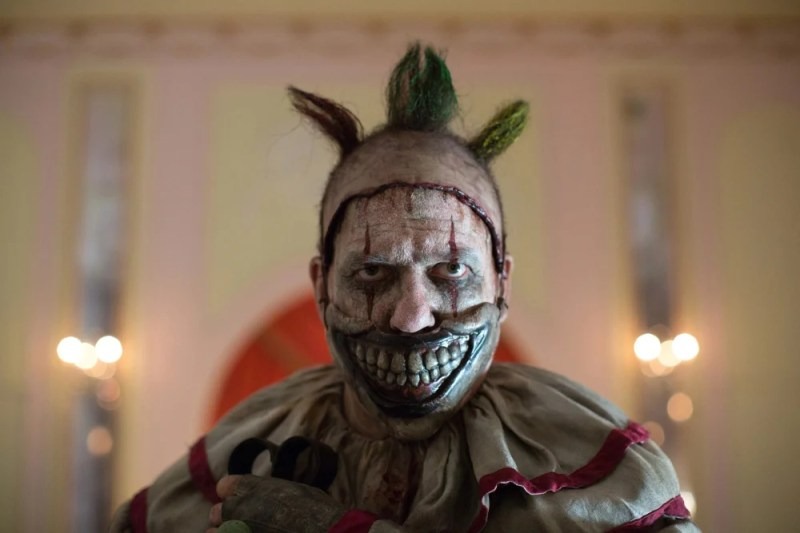
American Horror Story has always been a shifting mirror for fear. The series changes its face every year, yet it keeps circling the same uneasy questions about guilt, power, and the monsters we make out of our grief. Because the show runs on an anthology model with a rotating ensemble, it can risk new ideas without breaking past seasons, which is part of why fans love to argue about which chapter is the most frightening. Ranking the seasons by scare factor means weighing tone, atmosphere, character focus, and how the threats work on the mind. Some viewers recoil from the supernatural. Others are undone by human cruelty. Still others only jump in their seats when blood spills. That push and pull is built into the show itself.
This guide explores how the series generates fear across its eras, then presents a scare-based ranking that reflects recurring viewer reactions and the patterns built into the storytelling. The seasons covered here include Murder House, Asylum, Coven, Freak Show, Hotel, Roanoke, Cult, Apocalypse, and Double Feature. Rather than a tally of body counts, the focus is on how the show uses setting, tension, imagery, and character stakes to squeeze dread out of the frame. There is no single correct answer to what chills the most. There are, however, clear tendencies that explain why certain chapters haunt the mind longer than others.
How This Ranking Thinks About Fear
To understand what makes one season more terrifying than another, it helps to break fear into several working parts:
- Atmosphere and setting. Where you place a story can carry half the horror. Confined spaces, isolated landscapes, and institutions that feel inescapable build pressure before a single scare lands.
- Psychological tension. How characters unravel can be scarier than any monster. Paranoia, guilt, and manipulation often linger longer than a jump scare.
- Supernatural force or grounded menace. The show toggles between ghosts and human-made terror. Each taps different nerves.
- Visual design and sound. Makeup, production design, and audio can ambush the senses. Unsettling silhouettes, dissonant music, and sudden quiet create rhythms that wear on the viewer.
- Character investment. Fear lands harder when you care about who is in danger. Strong arcs intensify dread because you want someone to make it out alive.
- Shock versus slow burn. Some seasons chase extremes. Others simmer. Either path can be terrifying when executed well, yet they hit different audiences in different ways.
Early Foundations of Fear
The first two seasons sketch the show’s identity with clarity. Murder House coils its narrative around a cursed home where past sins refuse to stay buried. It uses rooms you know and domestic routines you recognize, then corrupts them until a hallway or mirror becomes a threat. That clash between the familiar and the malignant sets a blueprint. Asylum follows with a different kind of dread. Here the danger is systemic as much as spectral, which intensifies the feeling that escape is impossible. Cruel authority and the erasure of autonomy turn the setting into a mind trap. The difference matters. Where Murder House creeps through domestic space, Asylum tightens the screws through institutional horror, making the fear feel more suffocating and personal.
Both seasons rely on mood and character to make the fear last. The stakes are built out of grief, shame, and the cost of survival, not just sudden frights. This is why many viewers return to these chapters whenever the debate over the scariest season flares up. They codify the show’s language for terror, then challenge it in later installments.
Middle-Era Escalations
As the series moved into Coven, Freak Show, and Hotel, the palette widened. Coven fuses witchcraft with betrayal, mixing rituals with the politics of power. It is less a haunted maze and more a cauldron of scheming, though moments of brutality flash through its glossy exterior. Freak Show stares straight at otherness and exploitation. It places the audience inside a traveling troupe where spectacle and cruelty often overlap, then threads sympathy through the dread. Hotel shifts again. It embraces a modern urban setting, erotic menace, and blood-drenched imagery that tests the stomach. If one prefers shock and opulence, Hotel can feel like standing under a falling chandelier for hours, its edges sharp and glittering.
What unites these middle seasons is a louder visual identity and a willingness to disturb through excess. They aim to rattle with grand set pieces and provocative character choices, often balancing dramatic arcs with scenes designed to unsettle or appall. For some viewers these choices dial up the fear. For others they trade quiet dread for spectacle. Either way, they broaden what American Horror Story can do when it wants to curdle the air around you.
Later Experiments and New Varieties of Dread
The later chapters introduce fresh scaffolding for fear. Roanoke leans into a meta structure that blurs reenactment and lived experience. By mixing formats, it destabilizes the baseline of reality and invites the viewer to doubt what is being shown. Cult redirects the lens toward modern panic. It digs into manipulation, paranoia, and groupthink, pushing social fear to the front. Apocalypse connects storylines across the universe and wraps them in an end times frame, letting the dread of collapse surge through the narrative. Double Feature splits its run into two parts, each with its own high concept, pulling in extraterrestrial motifs and maritime nightmares. The emphasis is on experimentation. The result is a suite of different flavors of terror that strike nerves left untouched in earlier years.
These later seasons tend to divide viewers in productive ways. Some celebrate the formal risks and the way they press on real world anxieties. Others miss the tight claustrophobia of the earliest settings. The tension between taste for the supernatural and appetite for psychological decay is the axis on which the fan debate spins.
Ranking the Seasons by Scare Factor
With those patterns in mind, here is a scare-centered ranking of the nine seasons named above. This list values sustained dread, psychological impact, and how strongly each season’s design unsettles even when you are no longer watching. Reasonable minds will disagree, which is part of the fun. The analysis under each entry explains where the fear comes from and why some viewers find it more or less effective.
- Asylum
The fear here sticks because it flows from a place almost anyone can imagine dreading. An institution that controls your body and story is a nightmare engine. Supernatural elements add chills, yet the human machinery of cruelty drives the terror deeper. Confined spaces, punitive authority, and the erosion of identity create non stop pressure. Even quiet scenes hum with threat. The season’s soundscape and stark setting amplify the feeling that there is no safe corner. For many, that combination of psychological breakdown and entrenched power makes this the most suffocating and enduringly scary chapter.
- Roanoke
This season’s format fuses found footage energy with reenacted trauma. That choice continuously destabilizes what feels real, which primes the audience to question every cut. The rural isolation and escalating brutality punch hard, but the true shiver comes from the show’s willingness to flip its frame midstream. When you cannot trust the rules of the narrative itself, your nerves have nowhere to anchor. It is a carnival of disorientation that many viewers find uniquely disturbing.
- Murder House
A domestic space that refuses to forgive is a classic engine for fear. This season loads ordinary rooms with memory until they feel alive and angry. The horror gains weight because it rides on grief, betrayal, and the pull of the past. You do not simply fear an external monster. You fear the way a home can trap your choices and echo them back forever. Grounded character work gives the frights teeth. By the time the house has you, it is too late to look away.
- Cult
Instead of ghosts, this season weaponizes manipulation and mass panic. The anxiety is present tense and social. People turn into instruments of fear, often smiling while they do it. The imagery can be aggressive, yet the lingering chill comes from how easy it feels for belief to outpace reality. Those who find everyday politics scarier than the supernatural often place this chapter near the top, since its monsters wear familiar faces.
- Hotel
Opulence and depravity hold hands in a modern setting where anonymity hides a lot. The scares are tactile and often bloody. Hallways stretch like arteries. Rooms conceal appetites that are hard to face. If your pressure points involve gore, predation, and seductive menace, this season aims directly at them. For other viewers the stylization can blunt the fear a bit, but the imagery tends to lodge in the mind all the same.
- Freak Show
This chapter stares at exploitation and asks who the real monsters are. The circus setting lets the show bend spectacle into cruelty. The horror is equal parts empathy and dread, since the people we come to care for are often the ones under the boot. When it strikes, the fear hits like a heavy curtain drop. The mood is sad and uncanny more than constantly terrifying, which is why it lands mid list for many audiences. Its most frightening moments are unforgettable, though, and its themes linger.
- Apocalypse
The fear here is grand scale. Doom hangs over the story, and the crossover of earlier threads raises the stakes. The season delivers dread through atmosphere and fate rather than constant shocks. Because it juggles many moving parts, some of the tension spreads wide rather than burrowing deep. For those who love apocalyptic unease and cosmic threat, however, its chill is steady and satisfying.
- Double Feature
Split into two self contained halves, this run experiments with form and theme. One part evokes creative hunger and transformation with a sharpened bite. The other turns to extraterrestrial dread and maritime horror. The result is inventive and sometimes eerie, though the divided structure can diffuse the cumulative fear. The high concept ideas provoke more than they crush, which keeps it lower on a scare centered list while still delivering memorable unease.
- Coven
Witchcraft, rivalry, and dark magic give this season an irresistible vibe. The tension comes from power games and betrayal more than relentless terror. While it includes shocking moments, its tone tilts toward stylish menace and sharp character clashes. For many fans that makes it a favorite to watch, even if it does not make the pulse spike as often as the grimmer chapters above.
Why These Placements Make Sense
This ranking highlights a few through lines. First, terror is often most effective when the setting is a trap. Asylum and Murder House confine the characters within rules they cannot bend, which squeezes dread out of each decision. Second, the most divisive seasons tend to take formal risks. Roanoke and Double Feature experiment with structure, and the audience response tracks with how much one enjoys narrative instability. Third, the kind of fear matters. If psychological breakdown or the fragility of social order frightens you most, Cult might eclipse every ghost story on this list. If gore or supernatural hauntings dominate your fear map, Hotel or Murder House could rank higher.
The visual language also pushes certain seasons upward. That includes production design that turns locations into characters. The icy corridors of an institution. The quiet tyranny of a suburban bedroom. Velvet dark hotel rooms where shadows pool like liquid. When spaces communicate motive, the scares bind to place in a way you can feel. Sound design does similar work. Long stretches of quiet, sudden percussive bursts, and the low murmur of something watching build a rhythm that primes you for dread. The seasons near the top exploit those tools constantly.
The Role of Character and Stakes
Fear without investment fades. The strongest seasons build emotional anchors early. They give you someone to root for, or someone whose downfall terrifies you, then place that person under pressure. Asylum is merciless in this respect. Murder House too. Even Roanoke, with its game of masks, constantly repositions you beside characters who think they understand the danger until it redefines itself. Where character focus softens, the fear may cool even if the imagery gets louder. Coven is a prime example. Its pleasures are sharp and stylish, but the dread is not the point. Freak Show splits the difference by stirring empathy so deep that when violence arrives it feels cruel rather than simply shocking.
Fan Reactions and the Ongoing Debate
Fans have been ranking these seasons for years, and patterns reappear. Murder House and Asylum often sit near the top because they deliver classic chills wrapped in strong arcs. Roanoke draws praise from those who love horror that toys with format and self awareness. Cult and Hotel spark discussion thanks to bold imagery and relentless themes. Coven and Freak Show earn affection for their characters, world building, and dark flavor, even when some viewers find them less purely terrifying. None of this settles the matter, which is part of why the conversation keeps moving. Tastes differ. Some want haunted corridors. Others want nightmares that look like the nightly news. The anthology format makes room for both.
How to Choose Your Own Scariest Season
If you are looking to pick your personal scariest chapter, try mapping your fear triggers to what each season emphasizes:
- If losing control in a system terrifies you, start with Asylum.
- If haunted domestic spaces and lingering grief crack your armor, begin with Murder House.
- If you want reality to wobble under your feet, try Roanoke.
- If modern paranoia and manipulation make you uneasy, choose Cult.
- If lush violence and seductive danger unsettle you, go with Hotel.
- If empathy tinged dread hits hardest, pick Freak Show.
- If you like doom soaked stakes and interwoven storylines, sample Apocalypse.
- If concept driven horror with two distinct flavors intrigues you, watch Double Feature.
- If stylish power plays and witchcraft appeal more than relentless terror, enjoy Coven.
Final Thoughts
American Horror Story thrives on change. Every season remixes fears both old and new, then frames them with a specific look and sound. What scares one person might leave another unmoved, which is why ranking by scare factor is less a verdict than a map. Early chapters like Murder House and Asylum define the show’s spine. Middle seasons push style and spectacle. Later experiments press on contemporary anxieties and narrative form. Together they draw a portrait of horror that feels elastic and alive. If you are coming to the series for the first time, expect to shift your own rankings as you watch. If you are returning, you already know the scariest season is the one that finds your personal fault line and refuses to let go.