
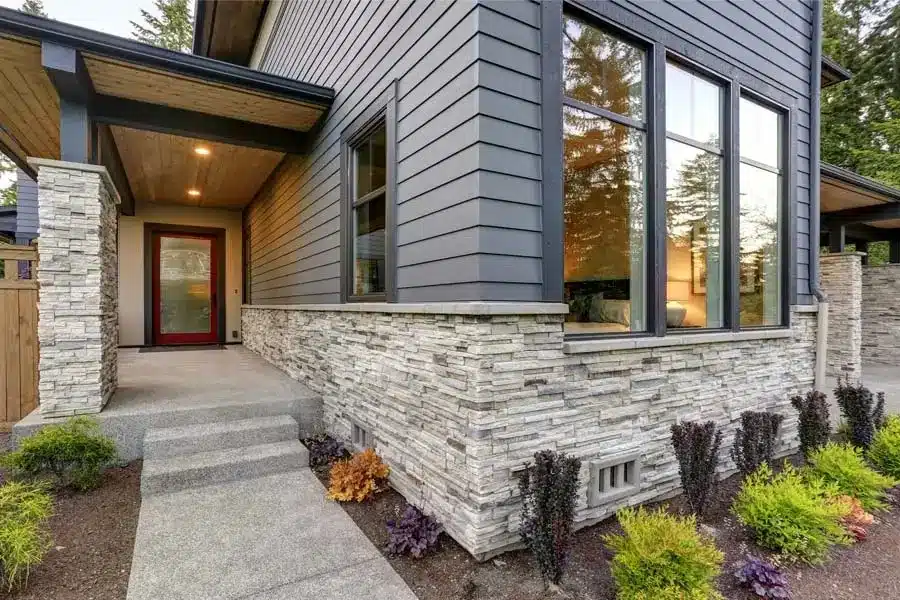
Masonry veneer gives homeowners the character of brick, stone, or manufactured masonry without the weight and complexity of full thickness structural walls. It delivers the classic feel people admire while working hand in hand with modern framing methods. For new construction or an exterior refresh, this approach blends good looks with dependable performance when it is designed and installed with care.
What a Masonry Veneer Home Means
In a masonry veneer home, a layer of brick, stone, or man made units is applied to the outside of a framed structure. The outer wythe is not carrying the building. Instead, the primary support typically comes from wood or steel framing behind the scenes. The veneer acts as a protective skin and a design feature, creating the impression of a solid masonry residence while keeping the structure lighter.
This thin exterior layer changes the face of the building without changing how it stands. The system is intended to manage water, resist normal wear, and provide a tactile finish that many people prefer over basic siding. With thoughtful detailing, it offers longevity and a familiar street presence.
How the System Works
The success of a masonry veneer wall comes down to layers and details. Behind the visible surface, installers place a weather resistant barrier to guard the inner wall. An intentional gap sits between that barrier and the veneer. That space allows any rain that sneaks through the joints to move downward and out, rather than into the structure. Metal ties or anchors connect the outer wythe to the framing so that the units stay secure. Mortar bonds the pieces together and keeps courses aligned.
Drainage openings at the bottom, often called weep paths, let collected moisture leave the wall. Flashing directs water to those exits. When these parts are coordinated, the wall can breathe and dry, which supports long service life. When parts are skipped or rushed, problems tend to show up as staining, cracked joints, or trapped moisture. Good workmanship is the difference between a handsome face that endures and one that demands frequent patching.
Why Homeowners Gravitate to Masonry Veneer
- Distinctive appearance. Brick and stone offer depth, shadow, and texture that many other claddings do not achieve. The look works across styles from cozy and traditional to sleek and modern.
- Everyday toughness. Masonry surfaces stand up to regular handling and exposure. They resist pests and fire, and they do not bubble or bend the way some materials can.
- Straightforward upkeep. Unlike finishes that need frequent repainting or replacement, veneer generally benefits from basic cleaning and periodic checks.
- Comfort support. While it is not the main insulation, the exterior layer helps shield the framed wall from direct sunlight and wind, which can promote steadier indoor conditions.
- Design flexibility. A wide range of colors, patterns, and unit sizes makes it possible to tailor the facade to the property and the neighborhood.
From Framing to Finished Facade
The construction sequence follows a clear path. Carpenters or steel crews build the structural frame first. Once that skeleton is complete, the wall sheathing and a protective barrier go on. Installers maintain a gap to encourage drainage and airflow. Anchors or ties then bridge the gap and fasten to studs or structural elements at set intervals, which holds the veneer upright and in plane.
Brick, stone, or manufactured units are laid in mortar beds and joined by mortar joints. As courses rise, ties connect back to the frame to prevent bulging or movement. Flashing around window heads, sills, doors, and roof intersections channels water to the drainage zone. At the base of the wall, small outlets release water and allow the cavity to function as intended. Attention to alignment, joint tooling, and clean cut transitions around openings gives the facade a neat, professional look.
Design Choices That Define the Look
Masonry veneer offers a palette that can shift the mood of the whole property. Each choice affects scale, light, and texture.
Material Types
- Brick. A classic option known for rhythm and order. Bricks bring warmth and can feel historic or contemporary based on color and joint style.
- Natural stone. Irregular shapes and mineral variation create a grounded and tactile impression. The look ranges from rugged to refined depending on the cut.
- Manufactured units. Made to resemble stone or brick while keeping weight lower. Available in a wide variety of tones and profiles for mix and match designs.
Color and Texture
- Light palettescan make a home feel airy and current.
- Darker shadesread as bold and anchored.
- Mixed huesadd movement and visual interest.
- Rough texturescatch the sun and deepen shadows, whilesmoother facespresent a cleaner, more tailored finish.
Patterns and Layout
- Full wraparound all sides delivers a uniform presence.
- Accent areasat entries, gables, or chimneys draw the eye to key features.
- Blended claddingpairs veneer with siding or panels for contrast and budget control.
- Joint profileschange the character. Tooled joints feel crisp, while more recessed joints add shadow lines.
Moisture Management Essentials
Water is part of every exterior wall equation. Masonry veneer plans for it. The protective barrier keeps bulk water off the sheathing. The open cavity lets any water that slips in find its way down and out. Flashing collects and guides moisture to the outlets. Clear drainage points at the base provide the exit. If these basics are respected, the exterior can shed rain and dry after storms. If they are ignored, the risk of damp spots, efflorescence, or interior damage grows.
Other small details matter too. Head and sill details around windows and doors should overlap correctly so water is always directed toward the outside face. Interruptions in the veneer, such as brackets or vents, need sealing and proper flashing so the drainage path remains intact. Thoughtful execution in these areas protects the frame and finishes for the long haul.
Durability, Maintenance, and Everyday Care
Ongoing care for a masonry veneer home is generally modest. A simple routine helps catch minor concerns before they grow.
- Seasonal checks. Walk the perimeter and look for cracked or open joints, loose units, or spots where water appears to be trapped.
- Gentle cleaning. A low pressure rinse and a mild solution remove dust and surface grime. Avoid harsh chemicals that may harm the finish or the mortar.
- Joint repair. Over long periods, mortar can weather. Repointing restores the seal between units and renews the crisp look of the joints.
- Clear drainage. Make sure outlets at the base are not blocked by soil, mulch, or sealants. Keep the cavity’s exit points open.
- Mind the landscaping. Keep plants trimmed so they do not press on the wall. Direct sprinklers away from the facade to limit constant wetting.
These habits support the veneer and the wall behind it. If you ever see bulges, widespread cracking, or persistent dampness, bring in an experienced professional for an assessment. Early action usually prevents bigger headaches.
Common Installation Mistakes and How to Avoid Them
- Skipping the cavity. The air space is not optional. Without it, moisture has nowhere to drain.
- Insufficient flashing. Missing or poorly lapped flashing can send water back into the wall rather than out.
- Blocked openings. Paint, sealant, or landscaping can close off drainage points. Keep them clear.
- Infrequent ties. Anchors must be placed at consistent intervals and fully fastened to the structure to resist movement.
- Poor joint finishing. Sloppy tooling or thin joints allow water entry and detract from the look.
Working with qualified crews and insisting on proper sequencing prevents most of these issues. Photographs during installation can also document that layers and flashings were installed before the veneer went up.
Where Masonry Veneer Fits Best
Masonry veneer works for single family homes, multifamily buildings, and additions. It suits both urban and rural settings because it adapts to many styles. For remodels, it can refresh dated exteriors without rebuilding structural walls. On new builds, it blends modern framing with a classic shell. It also pairs well with porches, garden walls, and outdoor kitchens for a cohesive property look.
Comfort and Energy Considerations
The veneer itself is not a substitute for insulation, yet it supports comfort by shading the structural wall and buffering wind. That extra layer can help smooth temperature swings on the surface. Combined with proper insulation and air sealing in the framed wall, the result is a more stable indoor environment. The exterior masonry also handles day to day exposure well, which can keep finishes looking consistent over time.
Resale and Long Term Value
Masonry exteriors often read as solid and lasting, which can enhance curb appeal and buyer confidence. The material stands up well to normal weather and use, which may translate to fewer full scale exterior overhauls. Another advantage is style resilience. Brick and stone rarely feel out of place, even as trends change. That steadiness can help a home maintain its presence and desirability across decades.
Planning Tips for Homeowners
- Collect inspiration. Observe nearby homes to narrow down colors, textures, and patterns that fit the street.
- Consider scale. Larger stones change the visual weight of a facade, while smaller units produce a finer grain. Match the unit size to the building’s proportions.
- Mind transitions. Where veneer meets siding, trim, or roofing, aim for clean lines and durable junctions. These edges frame the look.
- Highlight focal points. Entries, chimneys, and bay windows benefit from thoughtful material placement.
- Ask about details. During planning, discuss barriers, cavity depth, ties, flashing, and drainage so nothing gets overlooked.
Safety, Fire, and Everyday Performance
Masonry surfaces do not ignite and can help resist the spread of flames on the exterior. They also discourage insects and do not swell or shrink under normal temperature swings. These traits make veneer a practical covering for a wide range of climates. As always, performance improves when water management is done right and joints remain in good condition.
Remodeling With Veneer
For existing homes, adding masonry veneer is a frequent part of exterior makeovers. Installers first evaluate the sheathing and framing to ensure a sound base. Any repairs happen before the new face goes on. Then the process follows the same steps as new construction. Because the veneer is lighter than full thickness stone or brick, it can usually be added without major structural changes when the underlying wall is healthy. The end result is a significant visual upgrade that keeps the original structure intact.
Frequently Asked Questions
What is a masonry veneer home?
It is a framed house finished with a thin layer of brick, stone, or similar material on the outside. The veneer provides appearance and surface protection while the frame carries the load.
Is it the same as solid brick construction?
No. In solid brick construction, the masonry supports the building. In a veneer system, the masonry is a facing tied back to the structure.
Does masonry veneer need special upkeep?
Care is straightforward. Plan for routine inspections, gentle cleaning, and occasional mortar repairs as needed. Keep drainage paths open.
How does it perform in harsh conditions?
When properly detailed and installed, veneer resists pests, fire, and typical weather exposure. Good water management is essential for long term performance.
Is it energy efficient?
The veneer is not insulation, yet it helps protect the wall system from direct heat and wind, which can support overall comfort.
Can an older house be updated with veneer?
Yes. Many remodels add masonry veneer during exterior improvements. The existing wall must be sound so the new finish can anchor correctly and drain as designed.
What materials are commonly used?
Brick, natural stone, and manufactured masonry products are typical choices. Each brings a distinct look and range of colors.
Does veneer improve curb appeal?
Many buyers associate masonry with durability and quality. A well executed veneer often raises visual appeal and can support long term value.
Final Takeaway
Masonry veneer offers the charm of traditional materials in a system that pairs well with modern framing. It provides flexible design, reliable protection, and a familiar sense of permanence without the mass of solid masonry walls. With correct layering, attentive installation, and simple care, a veneer clad home can age gracefully and continue to look relevant for years. For those who want character along with practical construction, this approach is a thoughtful path to a handsome and enduring exterior.