Why Yao Ming Still Captivates Basketball Fans

Basketball has always welcomed towering athletes, yet few have left a mark as deep as Yao Ming. His name still sparks interest because he embodied more than height. He brought refined touch, intelligence, and an uncommon sense of calm to the most crowded space on the floor. He represented a bridge between leagues and cultures, and his career still influences how people around the world think about the sport. This exploration looks at how his unmatched stature shaped his game, how his skill set defied expectations, and how his presence extended far beyond the final buzzer.
The Exact Measure of a Giant
Official records list Yao Ming at 7 feet 6 inches tall, which converts to 229 centimeters. That figure placed him among the tallest competitors in league history. When most centers stood around the 7 foot mark, he had a built-in height advantage that altered matchups from the opening tip. That extra half foot often meant clearer sight lines at the rim, easier entry passes, and a shorter distance to the ball in the air. Defenders who were used to contesting shots had to adjust to someone who could rise over them with minimal effort.
His mass also mattered. With a listed weight of 310 pounds, or 141 kilograms, he combined reach with a strong base. That blend of length and strength allowed him to hold ground in the post, wall off driving lanes, and gain inside position for rebounds. Tall athletes frequently struggle with balance, but he worked to keep that size under control in motion, which made him far more than a stationary target near the basket.
Surprising Finesse at Extraordinary Size
Many towering players rely on simple moves around the hoop. Yao Ming stood out because his touch and mechanics were so polished. He shot with a soft release and displayed a dependable free throw routine that contrasted with the limitations that often follow elite height. He could catch the ball deep, turn into a smooth hook or short jumper, and do it with control. His footwork allowed him to choose angles rather than collide by default, and his timing on defense helped him meet shots without always needing a dramatic leap.
That combination made matchups complicated for opponents. Smaller defenders could be sealed away from the ball. Bigger, stronger foes still had to respect his reach. Double teams arrived, which freed shooters on the perimeter. His very presence could force opponents to rethink how and where to attack. In a league that prizes pace and spacing, he gave his team a reliable anchor who could slow chaos into structure when it mattered.
The Draft Pick That Shifted a Conversation
The Houston Rockets selected him first overall in the 2002 draft. Before he played a regular season game, there were doubts. Could someone at that height handle the speed and force of the modern league. Would he endure the long travel schedule. Could his frame keep up. The questions were fair, yet he answered them on the floor with patient footwork, dependable shooting, and steady composure. He did not try to overpower every opponent. Instead he chose advantages that fit his strengths, and used his touch to find points from angles that seemed unavailable to others.
Opponents adjusted entire game plans to limit inside touches or to drive away from his help at the rim. Guards hesitated to challenge him in the paint. Big men learned that a clean look could disappear when his arm extended into the passing lane. He had a way of simplifying the game for teammates as well. A well placed entry pass gave him time to survey, and if the second defender shaded his way, a quick pass out often created rhythm shots on the edge.
Global Spotlight and Cultural Impact
Yao Ming’s value never stopped at the three point line. He became an international figure who helped millions connect with the sport. Fans in China followed his progress and tuned in to watch him face the game’s biggest names. That attention expanded interest and made the league feel more global. He moved between languages and cultures with patience and humility, which only increased his appeal. For many young athletes around the world, his success made an NBA future seem more reachable.
That visibility also changed how teams thought about scouting international players. His career showed that exceptional talent can emerge from systems outside the traditional North American path. He carried responsibility on and off the court, meeting expectations with a calm presence that steadied those around him.
How Height Cut Both Ways
There is a reality that comes with extraordinary size. Joints and bones absorb intense force during long seasons, and travel places extra strain on the body. Yao Ming dealt with repeated issues in his feet and ankles. Each setback forced him to rebuild his rhythm and conditioning. That was not simply a matter of lifting or running. It required careful management of movement patterns that kept his center stable under a heavy frame. Modern performance science continues to find better approaches for very tall athletes, yet at the time he played, the margin for error remained thin.
He responded with disciplined training that emphasized core stability, balance, and controlled footwork. During his peak years he maintained elite production and consistent effort, which led to multiple All Star selections and ultimately a place in the Basketball Hall of Fame. His career did not last as long as some, but the quality of his play and the breadth of his influence made a lasting case for greatness. He shone brightly, even if injuries narrowed the window.
Different Paths to Dominance
When comparing historic centers, style often matters as much as size. Shaquille O’Neal, for example, leveraged overwhelming force and broad shoulders to clear space. Yao Ming approached the game with more reach and touch. Their clashes felt like events because both had strengths that could decide the outcome. Few players quieted O’Neal’s power, yet Yao Ming’s length and timing allowed him to meet some of those post moves without ceding ground. He did not shrink from the physical exchanges, and he answered strength with position and angles.
Other tall players relied on height alone, which can be neutralized by strong defenders. Yao Ming brought more than vertical inches. He used his shoulders to protect the ball, turned deliberately to shield defenders, and looked over the top to find cutters or spot up shooters. He thought the game in layers, always moving from first option to second without rushing. That approach slowed frantic possessions and gave his team dependable structure late in tight contests.
The Centerpiece of a System
During his tenure in Houston, he became a reliable focal point on both ends. Offensively, he could start a possession on the block, draw help, and keep the ball moving until a high percentage shot appeared. Defensively, he narrowed driving lanes and made opponents second guess attempts near the rim. Even on nights when his shot volume dipped, his gravitational pull shaped the game plan for everyone on the floor.
That kind of influence is rare. It is not simply the sum of points and rebounds. It is the quiet control that turns chaotic possessions into quality looks. It is the trust that teammates feel when they throw a high pass into traffic and know it will be secured. It is the confidence that comes when a guard funnels a drive into the lane and expects a contest to meet the shot.
Leadership After the Final Buzzer
Retirement did not remove Yao Ming from the spotlight. He moved into leadership in the sport and worked within the Chinese Basketball Association to strengthen the game in Asia. The lessons he carried from his time in the league guided his approach to development. He aimed to create better pathways for young players, more structure for coaching, and more opportunities for the next generation to grow into the sport with strong fundamentals.
Beyond administration, he has remained active in public life. He supports community work and attends international gatherings where he promotes health, education, and dedication. His platform lets him advocate for cooperation across borders and for values that reach past wins and losses. That commitment shapes how people remember his career, not only as a collection of highlights but as an example of character under scrutiny.
Handling Pressure With Grace
Fame arrived swiftly, and so did criticism. Every possession drew attention, and every injury sparked questions. Through that pressure he displayed patience and respect. He spoke thoughtfully, gave credit to teammates and coaches, and did not let attention alter his approach. That attitude helped fans connect with him. He seemed unshaken by the noise, devoted instead to work and improvement.
That mindset explains why his jersey hangs in Houston. The honor reflects performance, loyalty to the franchise, and the way he conducted himself while representing the team. Supporters remember the consistency of his effort, his presence during high stakes moments, and the pride he brought to the city and to fans around the world.
What His Height Really Meant on the Court
People often focus on the number on the page, yet height is only useful when paired with timing, footwork, and decision making. Yao Ming turned extraordinary length into a toolkit. He used a high release to neutralize contests. He extended arms to close space on defense without making reckless plays. He pivoted to create passing lanes instead of forcing shots through tight coverage. In short, he made height functional.
He also had to learn how to carry that frame through a season. That meant conditioning that went beyond sprints. He needed balance drills that would hold up during physical contact, core work that stabilized his base, and recovery routines that prevented small issues from turning into long layoffs. The difference between playing and sitting often came down to how well he could manage those details.
Moments That Defined His Legacy
Some memories stand out. There were nights when he faced the most imposing centers and answered with control and skill. There were stretches when his free throws under pressure secured wins. There were sequences when a block at one end flowed into a deep seal and a hook shot at the other. Those runs reminded observers that he did not need to be the loudest presence to dominate. He simply chose the right play at the right time.
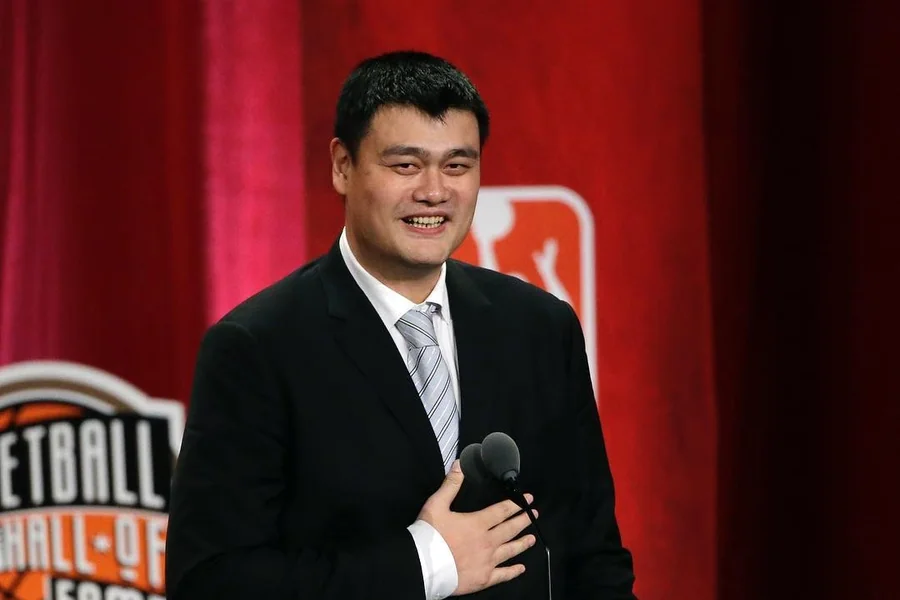
The accumulation of those moments carried him to repeated All Star appearances and, eventually, to enshrinement in the Basketball Hall of Fame. The recognition honored not only production but also influence. He helped reshape the league’s relationship with a massive international audience. He showed young players that grace and discipline can coexist with power.
The Standard He Set for Future Centers
Modern big men are judged by versatility. Teams want size that can finish inside, protect the rim, and make quick decisions. Yao Ming provided a template for how a very large center can succeed in a fast game. He proved that elite height can come with skill and patience. He showed that free throws matter for bigs, that touch can be just as threatening as brute force, and that discipline turns potential into results.
His path also reminds coaches and trainers to tailor programs to the needs of taller athletes. A one size approach does not work when bodies place such unique demands on joints and connective tissue. The balance training he emphasized, along with steady core development, continues to inform how teams support their largest players.
Continuing Influence Beyond the Court
In retirement he has remained a symbol of dedication and thoughtful leadership. He supports initiatives that bring people together and promote long term health and learning. His public work keeps him visible, which in turn keeps the game in the conversation for new fans. Every appearance underscores the idea that stardom can be coupled with humility and service.
That influence helps young athletes manage expectations. They can look at his journey and see how to handle setbacks with care, how to accept attention without letting it shape identity, and how to lead by example. The lesson reaches beyond sports. It speaks to any field where pressure is high and the path is uncertain.
Quick Facts
- Height measured at 7 feet 6 inches, or 229 centimeters
- Played for the Houston Rockets after being selected first overall in 2002
- Listed at 310 pounds, or 141 kilograms
- Multiple All Star selections and a place in the Basketball Hall of Fame
- Retired from professional play in 2011
- Inducted into the Hall of Fame in 2016
- From Shanghai, China
Frequently Asked Questions
Who is Yao Ming
He is a retired Chinese basketball star and a member of the Basketball Hall of Fame who played center for the Houston Rockets.
How tall is Yao Ming
He stands 7 feet 6 inches tall, which equals 229 centimeters.
Which team did Yao Ming play for
He spent his entire NBA career with the Houston Rockets.
When did Yao Ming retire
He ended his professional career in 2011.
Is Yao Ming in the Hall of Fame
Yes, he was inducted into the Basketball Hall of Fame in 2016.
What is Yao Ming doing now
He works in basketball leadership and development, including roles connected to the Chinese Basketball Association.
Where is Yao Ming from
He was born in Shanghai, China.
A Lasting Example
Yao Ming did not define his legacy through height alone. He paired a rare frame with a refined game and an even temperament. He met skepticism with results, turned international attention into opportunity for others, and carried himself with respect in every arena. That is why his name still resonates. He remains a towering figure in the history of the sport, not only for how high he reached, but for how well he carried the weight of expectation. For fans and young players alike, his story shows that extraordinary gifts can be matched by extraordinary character.