
Growing up in front of an audience is not something most kids experience. For Tydus Talbott, it has been part of life since his earliest memories. Viewers have watched him wobble through first steps, try new hobbies, and play out jokes alongside his family. That path has brought viral highs and everyday moments to the same screen, creating a portrait of childhood that feels both public and familiar. It also raises questions, offers lessons, and shows how a child can still be a child even when millions are watching.
Early life and the first spark of visibility

Tydus was born in May 2014 in Santa Cruz, a laid‑back coastal city in California. The rhythm of that place, with ocean air and open spaces, shaped the backdrop of his earliest years. Before any viral clip took off, his parents were already sharing bits of family life online. They filmed birthdays, little adventures, and quiet afternoons at home. None of it was designed as a show. It was a record of a household where curiosity and play took center stage.
Unlike children who enter the entertainment world through auditions or studio sets, his introduction to the camera felt natural. The family kept a channel focused on daily life. Instead of scripts or elaborate staging, the early videos captured ordinary scenes. Laughter over breakfast. A small triumph on a playground. A tumble in the snow followed by a grin. The charm came from reality rather than production tricks.
The moment everyday clips turned into something bigger

Even as a toddler, he began to draw attention. One early standout showed him balancing on a snowboard at only a year old. People responded because it felt unexpected and joyful. The point was not perfect technique. It was the thrill of watching a fearless little kid try something bold. That mix of innocence and courage became a recurring theme, and it helped new viewers feel like they were watching a relative instead of a distant celebrity.
As subscribers gathered, Tydus naturally took on a central role. Audiences saw him learn skills, test boundaries, and giggle through minor mishaps. In time, many viewers developed a sense of connection that went beyond the screen. It felt like checking in on a family you had come to know.
From resemblance to a viral persona

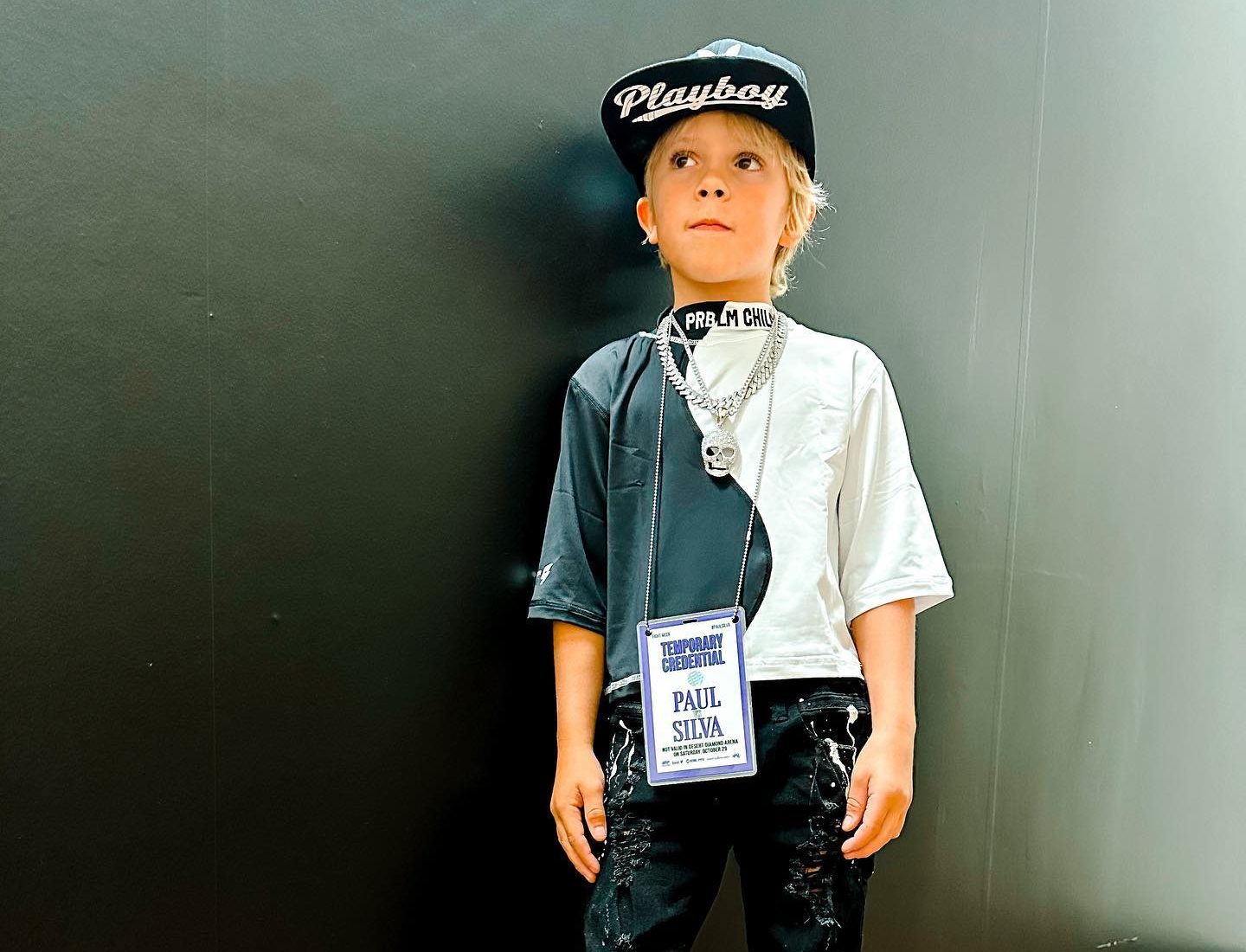
A turning point arrived when people noticed that Tydus resembled a well known internet personality. That similarity sparked a series of playful impersonation videos. Dressed in the style of the influencer he resembled, he leaned into a character that viewers immediately recognized while still being very much a kid. The result hit the sweet spot where parody meets sweetness. The meme traveled quickly. Soon the impersonation clips formed a distinct branch of his online identity, and additional profiles appeared to match this growing demand.
The idea worked because it was simple and easy to share. A familiar face, a miniature twist, and the spontaneity of a child. The family had already built trust with their audience, so the leap from home videos to viral sketches felt natural. The playful alter ego never replaced the real boy on screen. It sat alongside him, a costume he could wear and take off.
When imitation meets the original

Internet culture has a way of collapsing distance. Jokes and references can turn into actual meetings. In one notable moment, Tydus found himself on camera alongside the very personalities he had been imitating, including the influencer who inspired the impersonation and a member of that creator circle. For longtime viewers, it created a surreal loop. The small child who made a name by copying a star stood beside the adult version of the character he had been playing. For Tydus, it seemed like another day of fun. For audiences, it underlined how quickly online visibility can reorder the lines between fans and figures.
Family at the core
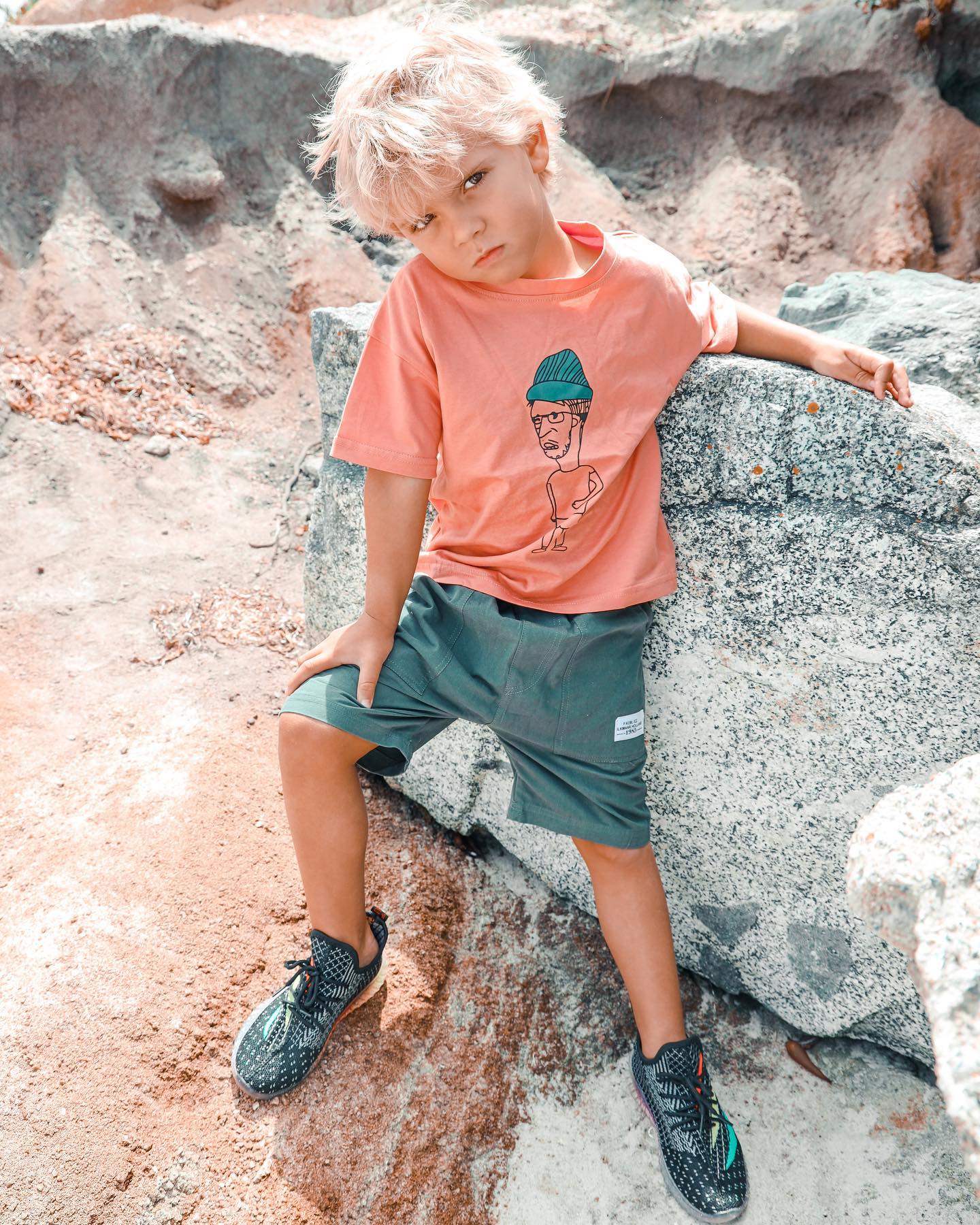
Everything about his rise is tied to family. His parents, Travis and Corey, were never passive observers. They planned shoots, shaped storylines, and kept the focus on a household rather than a brand. Their approach aimed to protect the children’s well being while still inviting viewers into their world. That blend of intention and restraint became the foundation of a long running connection with the audience.
He also shares the spotlight with his younger sisters, Ryatt and Bowie. The sibling dynamic adds warmth and variety to the content. Group skits, shared challenges, and everyday routines show them as a team. Viewers see toy debates, bedtime rituals, and the kind of teasing that defines so many childhood bonds. Those moments create a balance between spectacle and the simple flow of family life.
Balancing childhood and attention

Fame during childhood carries both opportunity and pressure. On one side, there are creative tools, trips, and collaborations that many kids never get to try. On the other, constant visibility can complicate privacy and development. So far, the family has kept the tone light and age appropriate. The videos aim for silliness over shock, and milestones are presented in a positive frame. Rather than pushing a tight character or leaning on heavy branding, the channel favors gentle humor and everyday growth.
One reason this balance matters is that Tydus is still very young. That reality shapes the pace and direction of his presence online. His age is a reminder that long term well being outweighs short term gains. By presenting him as a child first and a public figure second, his parents create space for a normal future, whatever that may look like.
Beyond one platform
YouTube launched the visibility, but the family extended their storytelling across other platforms as well. Instagram in particular offered a parallel stage. There have been multiple profiles with different purposes. One focused on general updates about life at home. Another supported the impersonation persona that first captured viral attention. A shared account with a sibling provided a broader family arc. This separation helps tailor what people see and keeps the material organized by theme.
By dividing content in this way, the family could maintain clearer boundaries. It allowed the audience to choose what version of the story they wanted, while helping the parents guide tone and relevance. The structure also supported growth without diluting the sense of who these children are.
Trying music and other creative paths
In 2019, Tydus put out a playful song titled Ice Cream. It was not an attempt to become a full time recording artist. Instead, it was a chance to experiment. Recording offered practice with performance, timing, and teamwork. It showed a willingness to try new forms of expression beyond vlogs and sketches. Whether music remains a long term interest is not the point. The value lies in exposure to different creative tools at an early age.
That spirit of trying things on for size runs through much of his story. Rather than locking him into a single career lane, his family has given him room to explore. It is a way of saying that childhood is for sampling, not for settling.
What keeps viewers watching

Tydus stands out not only for the viral nickname born from his impersonations but also for how he behaves on camera. He laughs easily, reacts honestly, and meets new situations with curiosity. The on screen version of him is not a polished performer delivering memorized lines. He is a kid who sometimes gets shy, sometimes gets loud, and often surprises even his parents. That unpredictability reads as genuine. In a landscape where overproduced content fills the feed, authenticity remains a powerful draw.
Audiences tire of heavy handed personas. They stay when they feel a human connection. In this case, connection grows from small moments. A sibling handshake that fails twice and finally lands. A face lighting up when a new trick finally works. The charm sits in the in between spaces rather than glossy highlights.
School, friendships, and an ordinary routine off camera
Despite the visibility, childhood routines still rule most days. Schoolwork, friendships, and hobbies hold their place. The family has been careful not to let filming crowd out education or rest. This attention to balance is not a footnote. Many children who grow up in entertainment have to work hard later to reclaim time and privacy. By keeping daily life intact, the family preserves options. When the cameras switch off, there is a regular kid with a regular schedule.
That foundation will matter more as he gets older. With a strong base in real world relationships and responsibilities, he can decide later how public he wants to be without feeling trapped by a role he played as a child.
How the audience view has evolved
At first, people tuned in for adorable clips and fun impersonations. As Tydus ages, his audience sees him handle school events, share in sibling milestones, and build more independence. That shift changes the expectations that come with each upload. What delights a preschool crowd may not click with preteens. Growth brings new themes and new forms of humor.
Many child creators face a rough transition when the sweet spot of cuteness gives way to the complexity of growing up. Tydus and his family have eased into this phase by leaning on genuine family storytelling instead of chasing every trend. The result is a smoother path that lets him be himself while the material slowly ages up with him.
What his story says about digital culture
Tydus represents a broader cultural shift. Fame no longer demands soundstages and studio lots. It can rise from a living room with a camera and a plan. Family led channels have shown that audiences value everyday life when it is shared with care. They have also shown that young children can become household names through playful clips rather than traditional casting.
This new model brings real questions. How do families protect privacy while entertaining the public. What does consent look like when a child is not old enough to understand every consequence. How do creators guard against burnout and keep childhood intact. Thoughtful parenting can mitigate many of these concerns. With Tydus, the public face so far points to a supportive environment that emphasizes age appropriate content and the primacy of family rhythms.
Looking ahead
The future is open. As he grows, Tydus will decide how visible he wants to be. Some young creators step back completely. Others shift into acting, music, or work behind the camera. Many keep a smaller presence online while exploring careers unrelated to entertainment. No matter which route he chooses, his early years will remain a unique case in internet history. Few children have documented their development so extensively, and fewer still have done so within a family structure that keeps the tone grounded and upbeat.
It is worth repeating that his age is a defining factor. He has many seasons ahead. The choices about those seasons need time and space. The more the family protects both, the more options remain open.
Why this story resonates
People return to these videos not only for excitement but for comfort. They see siblings share the couch. They watch a parent teach a trick with patience. They hear laughter spill out of a kitchen. In an age of constant noise, such moments can feel like a refuge. The journey of Tydus is about more than influence metrics. It is about how a family navigates visibility without losing sight of what makes a childhood bright.
Whether he keeps posting or chooses a quieter road, his early years have already left a mark on digital culture. They highlight both the promise and the responsibility that come with sharing a young life online. For viewers, the clips carry a hint of nostalgia, a reminder of how fleeting youth is, even when captured in high definition.
Key themes to remember
- Authenticity draws people in more than polish does. The winning moments are often unscripted.
- Family involvement shapes the tone and sets boundaries. Parental guidance remains central to a healthy path.
- Diversifying platforms helps manage tone and audience segments. It also keeps content organized by purpose.
- Exploration beats early specialization. Music, comedy, and everyday vlogs all offer room to grow.
- Education and friendships come first. Protecting a normal schedule preserves long term options.
- Audiences evolve. Content needs to mature along with the child without losing the core of who they are.
FAQs
When was Tydus Talbott born
He was born in late May of 2014 in Santa Cruz, California.
How did he become famous
He first drew attention in family vlogs. Later, playful impersonation videos that resembled a popular internet personality went viral and expanded his reach.
Does he still appear on YouTube
Yes. He continues to show up in family focused videos with his parents and sisters.
Has he released any music
Yes. In 2019 he released a playful track titled Ice Cream as part of exploring creative outlets.
Who are his siblings
He has two younger sisters named Ryatt and Bowie.
Is his family involved in managing his content
Yes. His parents oversee production and keep the focus on family life rather than heavy commercialization.
Does he attend school like other children
Yes. Education and regular childhood activities remain priorities behind the scenes.
Will he continue as an influencer in the future
That depends on what he chooses as he grows. Some young creators change directions, while others remain in entertainment or step back from the spotlight.