Opening your wardrobe and feeling stuck is a universal experience. The fix does not require a new personality or a personal stylist. It only takes color discipline. Wearing one hue from head to toe, with smart variation in tone and texture, gives you a streamlined look and a much calmer morning. The single-color approach is not about fashion rules for the sake of rules. It is a practical method to reduce decision fatigue and still look composed in every setting.
Why Single-Color Dressing Owns 2026
Fashion swung away from shouty graphics and endless layering toward intentional restraint. People want to look refined without spending their entire breakfast juggling options. Monochrome delivers that ease. When your top, bottom, and layers live in the same color family, the eye reads one clean line. The effect is lengthening, calming, and unfussy. It also telegraphs taste without relying on loud branding.
This shift pairs neatly with the broader move toward quiet sophistication. Fewer distractions. Fewer logos. More focus on shape, proportion, and finish. A single-color outfit suggests you have a point of view and the discipline to stick to it. Whether the day holds a strategy session in Chicago or a late show in Nashville, the approach translates across environments because it looks thoughtful and modern.
Texture Is Non-Negotiable
The fastest way to ruin a monochrome outfit is to repeat the exact same flat fabric head to toe. That reads as uniform rather than outfit. The antidote is texture play. Mixing surfaces creates depth and movement inside the one-color story, which keeps the look alive without adding more colors.
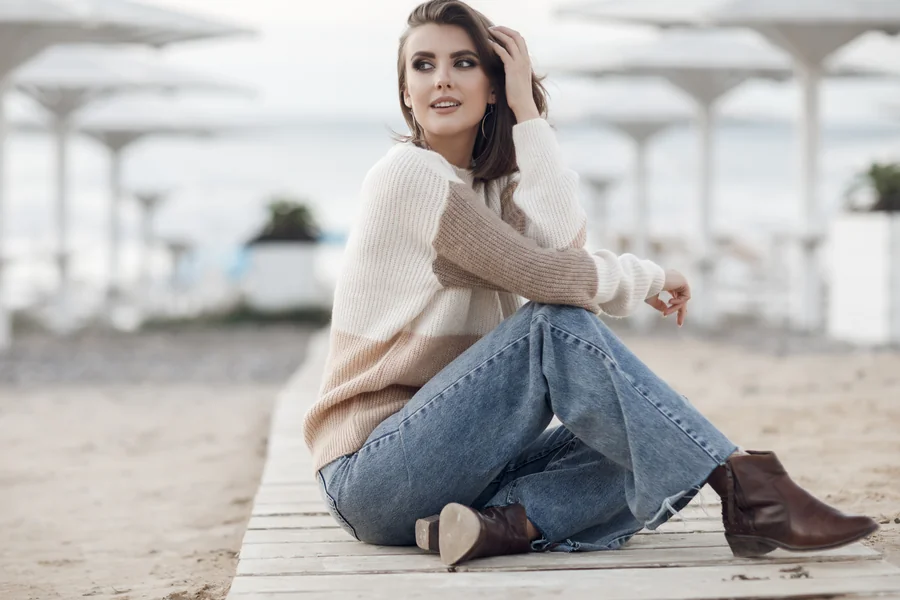
Think in contrasts that complement rather than compete. A dense, chunky knit makes a fluid skirt feel intentional instead of plain. A softly brushed wool coat over a smooth jersey dress gives the eye something to read beyond color. Matte next to sheen, crisp beside plush, structured against draped. These pairings maintain the single-hue idea while building dimension.
- Leather trousers with a buttery cashmere turtleneck create a polished tension between gloss and softness.
- A rugged denim jacket layered over a sleek cotton dress balances casual grit with clean lines.
- Suede boots under a matte wool overcoat add depth through nap and weight, perfect for cooler months.
Light behavior is your secret tool. Shiny fabrics bounce illumination, matte fabrics absorb it, and textured fabrics scatter it. Combining those qualities lets one color offer multiple visual notes. The result is tonal harmony with richness built in.
Color Choice, Undertones, and Your Skin
Monochrome does not mean every piece is identical. It means every piece belongs to the same hue family. Within that, the right base color depends on undertone. Black is the universal fallback and always reads sharp. Yet other choices can be more flattering depending on your skin.
If your skin skews warm, reach for Butter Yellow or deep chocolate browns that add glow rather than washing you out. If you run cool, Cloud Dancer – a refined off-white – or a stately royal blue can brighten the complexion. If tracking down the perfect royal blue feels impossible, remember that tonal variation is the point. Mix a sky blue shirt with navy trousers and a mid blue knit. You are still in one family, and the result feels more natural than an exact color match.
Unsure of undertone? Pay attention to how metals look against your skin. Gold typically favors warmth while silver flatters coolness. You can also test by holding different neutral fabrics to your face in daylight and noting which shade livens your features. This is not a strict science. It is about noticing which colors help your skin look rested and which create dullness.
Proportion and Body Type
One of the quiet strengths of monochrome is inclusivity. With a single color running from top to bottom, there is no harsh visual cutoff at the waist. The body reads as a unified shape, which can feel lengthening or smoothing depending on your proportions.
- Petite frames: Choose shoes that approximate the color of your trousers or tights. Matching the base extends the leg line and adds height by drawing the eye downward without interruption.
- Curvy silhouettes: Deep tones like forest green or navy can contour the body while honoring your shape. Use drape and tailoring to guide volume rather than hiding it.
- Tall frames: Play with oversize, like wide-leg trousers with a coordinating duster. The longer lines feel intentional and elegant instead of overwhelming.
Fit governs everything. In 2026, the sweet spot is a tailored-relaxed silhouette. Pieces should skim, not squeeze. Think clean shoulders, an easy waist, and hems that break smoothly. You want room to move and breathe while keeping sharp structure at key points. Even luxurious fabrics fall flat if the cut is off.
Build From Essentials
If you are just starting, anchor your wardrobe with a few suites of tonal basics. This gives you plug-in options without thinking too hard each morning. Start with dependable hues, then branch into bolder choices as your comfort grows.
- Black capsule: slim trousers, a knit or tee, an unstructured blazer, a long coat, leather sneakers or boots. This is the fastest route to an effortlessly composed look.
- Navy capsule: tapered pants, a merino crew, a chore jacket or trench, and suede footwear to add texture. Navy does everything black does with slightly softer contrast.
- Earth capsule: chocolate brown or terracotta separates that bring warmth and depth. Perfect for fall and winter when texture takes center stage.
- Light neutrals: Cloud Dancer and other soft off-whites build airy head-to-toe looks that feel bright and modern. Balance with cream knits and bone-toned footwear.
Within each capsule, vary fabric finish. A woven with a knit, a brushed surface next to something smooth, and one piece with gentle luster to catch the light. Keep silhouettes consistent so the set feels cohesive even as you change individual items.
Accessories That Seal the Look
Accessories function like seasoning. They finish the outfit without overpowering the core idea. With monochrome you have two clean routes. Match within the color family for a whisper-quiet finish, or inject a single pop to signal personality.
Staying tonal reads old-money calm. Picture an all-beige set completed with tan leather and understated gold jewelry. The harmony supports the silhouette rather than shouting for attention. If you prefer contrast, choose one accent and commit. A bright red bag with a gray ensemble feels bold and deliberate. The contrast will draw the eye, so keep everything else serene.
Metal choice matters as well. Silver works beautifully with cool-toned outfits. Gold remains the standard partner for warm palettes. Either way, less is more. Opt for one watch, simple earrings, or a slender cuff. A heavy statement necklace on top of a unified look breaks the spell and clutters the line.
Footwear and the Ground Rule
Shoes anchor the column of color. Match them closely to your base when you want length and continuity. Black boots under black trousers create an unbroken line. Brown loafers with chocolate tailoring do the same. If your outfit is entirely one hue, you can also treat shoes as your single accent. That choice flips the focus to the feet, which can be a strategic move when the rest of the look is minimal.
There is one exception many people embrace. White sneakers with an all-black or all-navy outfit can read as a modern neutral rather than a violation. It breaks the line slightly, but in 2026 it often looks intentional and fresh. Keep them clean to preserve the sleek effect.
Where to Wear It
The real appeal of monochrome is range. It works from weekday to weekend to special occasions without changing the core logic.
- Work: A charcoal ensemble or a navy power suit signals focus and calm. You look decisive because you did not waste time juggling clashing prints.
- Casual: Sporty sets shine in one hue. A sage green hoodie with matching joggers looks coordinated and current, especially with crisp sneakers and a subtle cap or tote.
- Evening: An off-white gown with coordinating silk heels commands attention through purity of line and color rather than pattern. The simplicity becomes the statement.
Because the look relies on silhouette and tone rather than graphic elements, it stands up to trend churn. You can refresh proportions or footwear each season while the color logic stays the same.
Avoid These Pitfalls
Monochrome is simple, not careless. A few common missteps can undercut the magic.
- Undertone conflict: Two versions of the same color can fight. A warm white beside a cool white reads dingy. Keep undertones aligned so the pieces support each other.
- Bad lighting: What looks matched in a dim room can fall apart outside. Check your outfit in natural light to confirm harmony.
- Uniform effect: Wearing identical fabrics from collar to cuff flattens the look. Break it up with varied textures and finishes.
- Over-accessorizing: One focal point is enough. A patterned scarf, oversized belt, and huge earrings together will crush the clean line.
- Neglected maintenance: Lint on black, pilling on knits, and scuffed shoes are louder in a minimal outfit. Keep a lint brush and fabric shaver on standby and polish footwear.
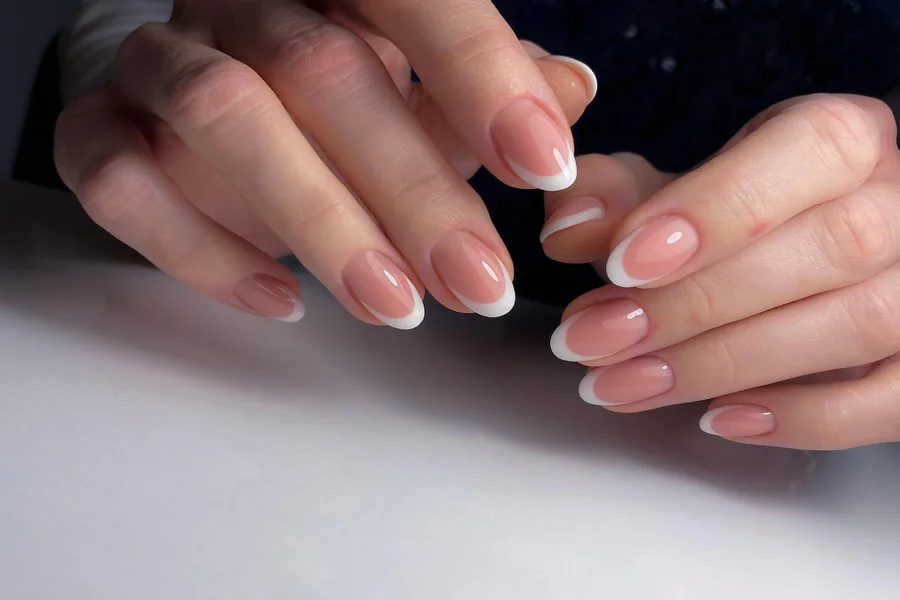
Grooming carries more weight with minimal dressing. When the outfit is quiet, people notice the details. Neat hair, clean nails, and polished shoes reinforce the message of intention.
Seasonal Strategies
Color reads differently across seasons. Adjust fabric weight and finish while keeping the hue story intact.
- Cold months: Lean into heavier textures that trap light. Felted wool, brushed flannel, and suede create plush depth in chocolate, navy, and forest green.
- Transitional weather: Combine midweight cotton with soft knits, a trench, or a light coat. Keep layers close in tone so the column stays uninterrupted.
- Warm months: Use breathable fabrics with subtle sheen. Linen blends, silk, and crisp poplin in Cloud Dancer or other light neutrals feel fresh and bright.
Layer lengths also matter. Longer outerwear maintains the line. Cropped jackets can still work if the base layer continues the color underneath to prevent a harsh break.
How to Start If You Are Overwhelmed
The plan does not need to be dramatic. Begin with what you have and aim for an easy win tomorrow.
- Pick a base color you already own in multiples. Black and navy are common starting points.
- Assemble three pieces in that family. Top, bottom, and a layer or shoe that either matches or stays quiet.
- Try one texture contrast. Maybe a knit against a smooth trouser or leather with a soft sweater.
- Keep accessories minimal. Choose either tonal pieces or one accent.
Notice how you feel throughout the day. Many people report feeling more organized and efficient because their outfit is not asking for attention. As your confidence grows, explore warmer browns, Butter Yellow, or terracotta for a richer palette.
Fit Notes That Change Everything
Even the best color plan fails without proper fit. Watch for these small tweaks that elevate the whole look.
- Shoulders: Seams should sit on the edge of your shoulder, not droop down the arm or ride up your neck.
- Rise and inseam: Trousers that sit comfortably at your natural waist and break cleanly over shoes keep the line long.
- Sleeve and cuff: Expose a bit of wrist or shirt cuff for breathability in tailored looks. In casual sets, ensure sleeves do not bunch excessively.
- Drape: Allow a little ease at the midsection so the fabric skims rather than clings. This keeps the silhouette smooth under different lighting and angles.
Tailors can make small adjustments that pay huge dividends. A half inch at the hem or waist transforms how the color column reads on your frame.
Care and Longevity
Minimal wardrobes ask more of each piece. Invest a bit of effort to keep garments camera ready.
- Color care: Wash like colors together to prevent muddying your tones. Air dry when possible to avoid fading.
- Fabric upkeep: Depill knits, brush wool, and use suede protectant. These micro tasks extend life and keep textures distinct.
- Rotation: Alternate shoes and outerwear to give materials time to recover and maintain shape.
Monochrome draws attention to surfaces. When fabrics look fresh, the entire outfit reads elevated even if the pieces are simple.
The Mindset Shift
Dressing in one color is not about collecting rules. It is about making a clear choice. You reduce noise, prioritize shape and texture, and move through your day with fewer distractions. It does not fix a weak closet overnight, but it brings structure to what you already own.
Try an all-black or all-navy combination tomorrow. Observe how people respond and, more importantly, how you carry yourself. As you gain control over the basics, experiment with richer shades like terracotta or deep brown. You will find that the system scales. It works on workdays, weekends, and weddings because it relies on harmony, not novelty.
The Takeaway
Marketing will keep pushing maximal prints and tricky layers that demand constant updates. You do not have to play that game. The sharpest dressers are editing, simplifying, and repeating what works. A single-color outfit is not a shortcut to style. It is the style. Keep the palette tight, mix textures with intention, respect undertones, and let fit lead.
FAQs
Do the pieces need to be the same exact shade?
No. Dressing in related shades of one hue looks modern and keeps you from appearing like you are in a uniform. Slight variations create depth.
Can white sneakers work with an all-black outfit?
They interrupt the column a bit, yet in 2026 many treat crisp white sneakers as a neutral that still feels current. Keep them spotless for best effect.
What about patterns within a monochrome look?
Subtle patterns in the same color family can work, but they often disrupt the sleek flow. Use sparingly if you want to protect the clean line.
Is this approach likely to fade soon?
It is unlikely. The method is functional, flattering, and efficient, which gives it staying power in American closets.