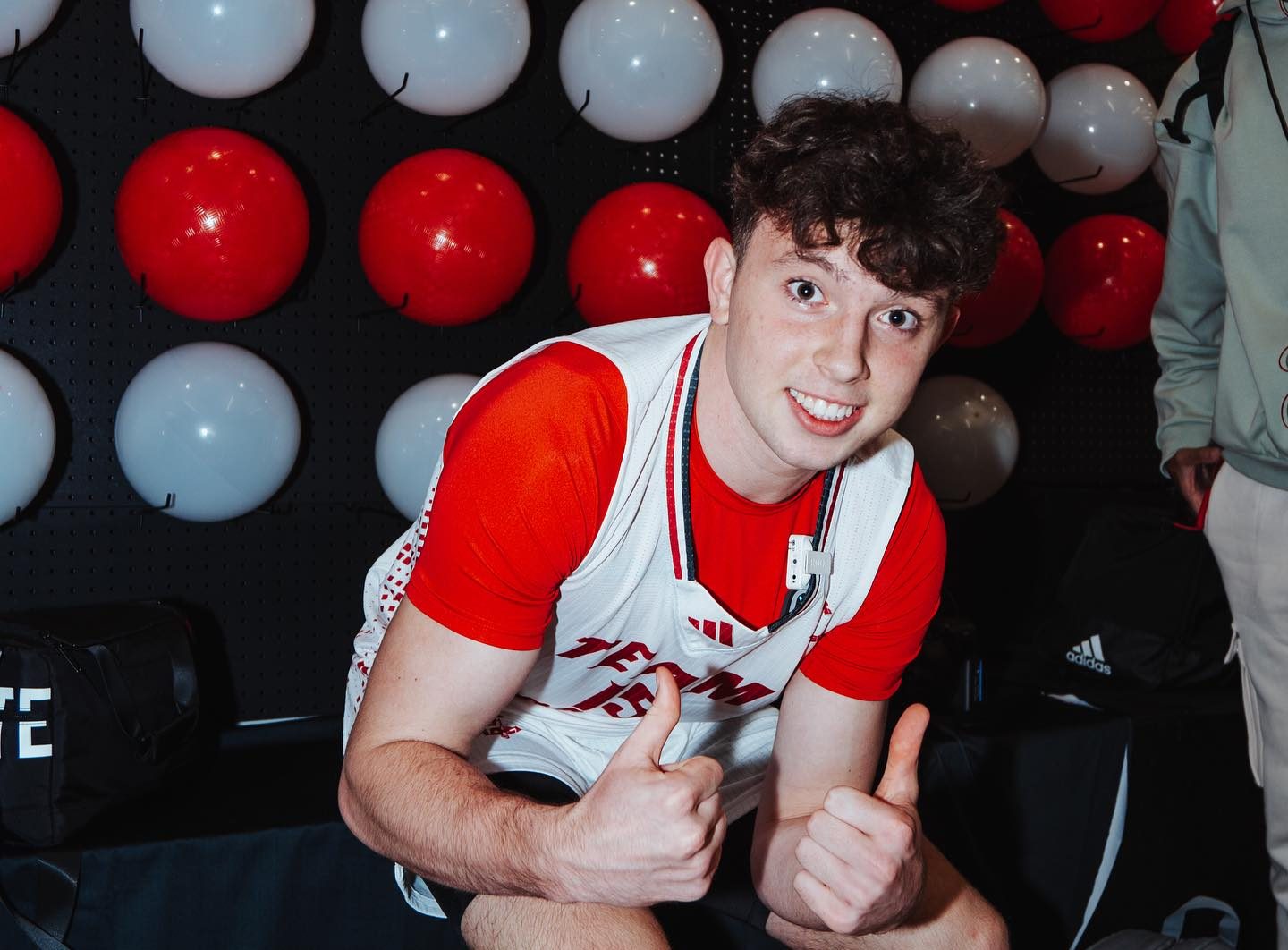
Every so often, a player arrives who seems to understand the moment before everyone else does. Eli Ellis is one of those athletes. He is not only building a basketball career, he is shaping how fans experience that career in real time. His rise has not been a neat staircase. It has been a thread that runs through small-town gyms, prep school seasons, elite development environments, and a steady stream of clips and conversations online. What makes his path notable is the way he has connected performance with presence, so that the way he plays and the way he shares his life support one another.
The fascination with his age is understandable. People want context. They want to grasp how someone so young can manage pressure, attention, and a playing role that requires poise. Yet the real story here is not a number. It is the ecosystem that helped him grow early, and the choices he has made to keep growth moving without losing himself.
North Carolina Roots and a Household Where Basketball Lived
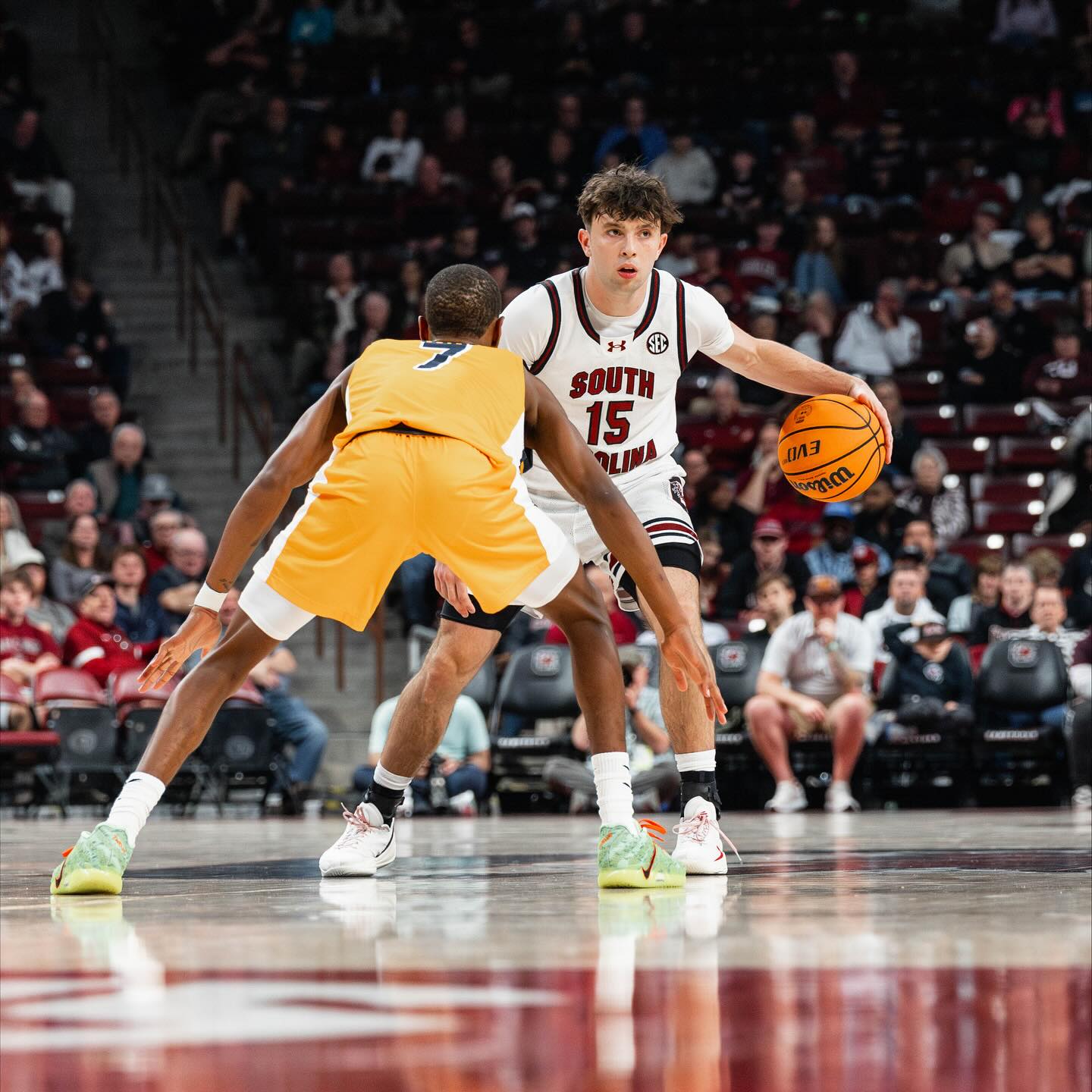
North Carolina breathes basketball, and Hickory is part of that culture. Courts are not just surfaces. They are meeting places. In that setting, Eli did not stumble upon the game late. The sport surrounded him. His father, Jeremy Ellis, is a basketball coach. That meant conversations about schemes, film, and the details that separate decent play from deliberate craft were part of everyday life. Most young players have to hunt for that edge. Eli grew up inside it.
That kind of environment shifts how a child understands the game. It stops being only something to play and becomes something to study. When you hear about spacing at the kitchen table or look at how a defender shades a screen before homework, you start to see basketball as a language. You hear the grammar. You feel the rhythm. You notice the pauses and accelerations that make actions work. That early immersion helped shape his instincts, which is why his decision-making and composure drew attention even before his name spread.
Another part of that household story is his younger brother, Isaac, who also plays. Sibling competition can sharpen edges quickly. It creates a daily proving ground. Arguments become drills. Friendly trash talk turns into challenges that lead to another round of shots, another set of ball handling, another push to outdo what you did yesterday. Family becomes both support system and testing lab.
Falling for the Game Before the Cameras
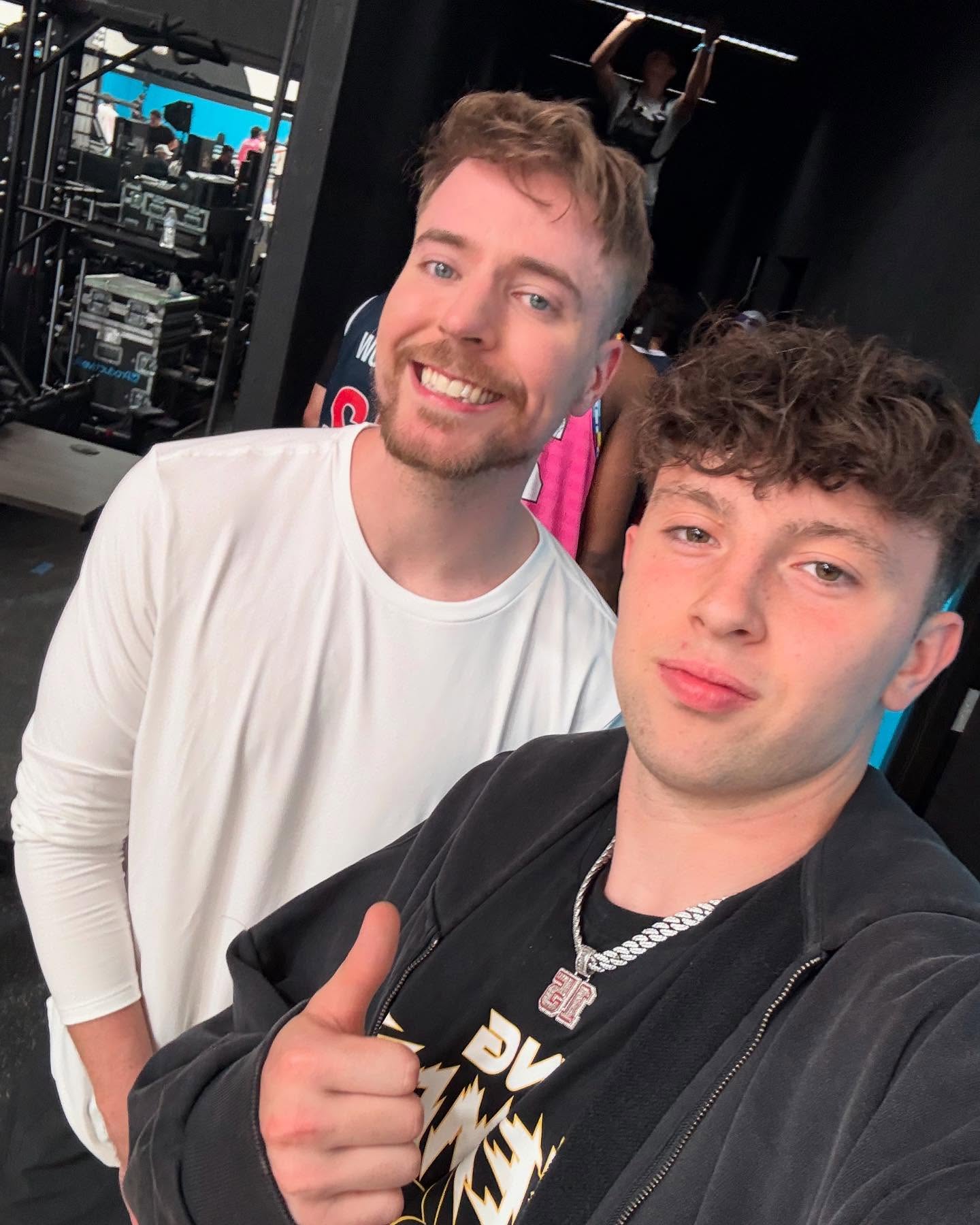
Like many hoop stories, this one starts with a ball, a hoop, and time. Before anyone knew his name online, Eli spent hours working on the basics. Reps shape touch. Reps also build trust in your body. When you have repeated a move enough times, it stops being a plan and becomes a reflex. Early mistakes are part of the gift. Misses and turnovers do not sink a season when you are young. They teach you how to read a defender, when to pull up, and when to attack the rim. The lessons sink in during low-stakes afternoons that no one films.
It did not stay that quiet. The games grew. Youth leagues brought new opponents. School teams demanded consistency. Regional events added noise, whistles, and the kind of competitive energy that makes players show what they really believe about themselves. For many athletes, that transition is when the sport becomes more than recreation. It becomes a purpose. You are suddenly asked to lead a group, to set a tone, and to perform under light pressure so you can be ready for real pressure later.
High School Years and the Craft of Leadership

High school is where ambition meets structure. Practices take on more shape. Scouts and coaches want to see if your game translates across different styles of play. For Eli, these were formative seasons. He grew into the responsibilities of a point guard who can hunt his own shot without losing the feel for teammates. That balance separates scoring guards who only tally points from floor leaders who can run a game.
During his senior year at Moravian Prep he averaged about sixteen points per game. The number is a signal, but it is not the full measure. What matters just as much is how those points arrive. Are they late-clock pull-ups because a team needs a look on a dying possession. Are they catch-and-shoot threes when the defense collapses on a drive. Are they layups in transition created by a steal. The answer to those questions helps you understand how a guard reads and controls tempo. Coaches and teammates look first to a point guard when things get tense. If the person who dribbles the ball over half court is calm, the group tends to settle.
Numbers also miss the quiet work around leadership. They do not show how a player huddles a team after a rough stretch. They do not display talk on defense when a switch needs to happen. They do not track subtle changes to pace to break an opponent’s rhythm. That is the invisible part of becoming a real point guard, and it is the part that made Eli’s growth feel steady rather than streaky.
Stepping Into Overtime Elite
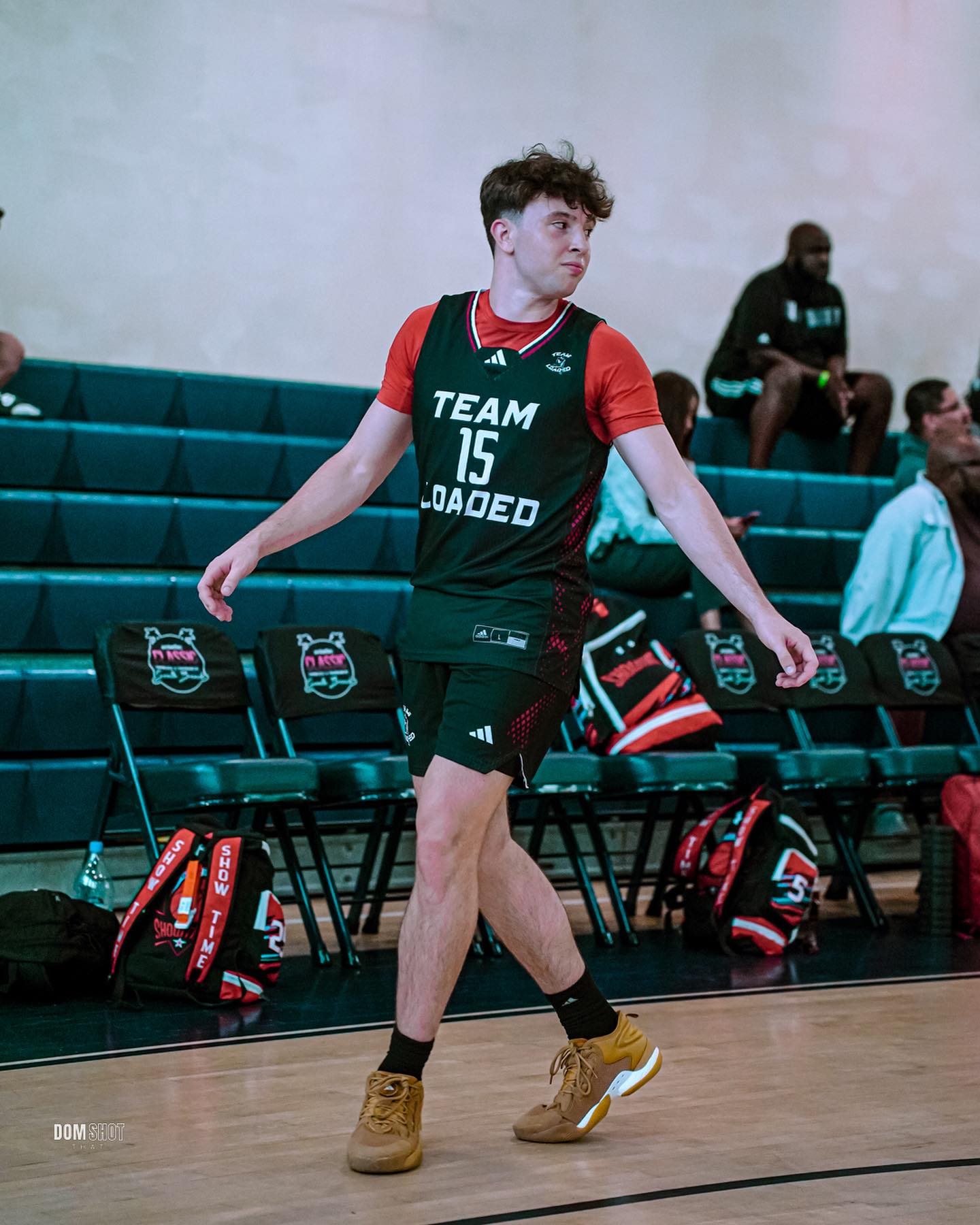
In 2023, Eli joined Overtime Elite, a move that shifted his day-to-day reality. Overtime Elite brings together competition, development, and media under one umbrella. It is built to accelerate growth on the court while preparing athletes for a landscape where performance and visibility do not live in separate rooms. Practices get sharper. Schedules get tighter. Every game is both a contest and a piece of content.
That environment aligns well with what Eli was already building. He had been sharing highlights and behind-the-scenes looks long before the move. In Overtime Elite, that approach reaches a wider view. He competes with and against other rising talents. He learns what it feels like to carry expectations in a league that many people watch closely. That pressure can be productive. You see where your strengths hold up and where you need to adjust. You also learn how to handle attention without letting it distort your priorities.
More Than Plays and Box Scores
What sets Eli apart is not only how he plays, but how he lets people in. His presence on platforms like TikTok and Instagram mixes on-court clips with slices of life. Training segments sit next to lighter moments. A quick joke might follow a drill session. That variety matters. It pushes back against a one-note image and shows a person who enjoys the grind and still has room for humor and curiosity.
The effect is bigger than reach. Bringing personality to the feed widens who pays attention. Some people arrive for a crossover. Others stay because they enjoy the energy in a skit or a dance. The blend helps the audience see work ethic without turning it into stiffness. It also invites people who might not follow a full game to understand why a move or a read is exciting.
There is a risk with social media where players get flattened into roles. A hooper becomes only a highlight. A creator becomes only a bit. Eli avoids that trap by rotating content and staying consistent with tone. The result feels like a whole person rather than a cartoon version of an athlete.
Not Just Followers, A Community
Influence is often measured by counts, but activity tells a deeper story. Eli’s TikTok following has climbed past one million, and those people do not sit quiet. They react, comment, and share. Many feel like they are along for the climb, not just watching from a distance. That is the hallmark of a community. It forms when someone invites the audience into the process instead of only presenting a finished product.
On Instagram, his posts lean more toward the career track. Game updates, travel, and school-related notes take up space. Together, the two channels give a fuller picture. One is lighter, playful, and fast. The other is steady, aspirational, and closer to a resume. Both reinforce the same message. Growth is happening in the gym and in the way he communicates.
Family Influence That Guides Without Smothering
Parents and siblings have their own gravity in an athlete’s life. Jeremy Ellis brings a coach’s eye, which carries wisdom and responsibility. The presence of Isaac adds daily competition and support. There is comfort in knowing the people around you understand the cost of improvement. They know what a long shooting session feels like and what a hard loss can do to your confidence. They can push, but they can also protect.
Family also keeps the story grounded. When attention rises, routines from home matter more. You remember where you learned to pivot, who rebounder for your shots, and why you began to love the game. Those reminders soften both the highs and the lows. They make sure success does not erase the relationships that helped create it.
Growing Up in Public
Being young and visible is a gift and a test. There are opportunities for education, partnerships, and travel. There is also scrutiny. In the digital age, even a single possession can be clipped and replayed thousands of times. Mistakes hang around. Edits can magnify a flaw or a triumph out of proportion. To keep learning under that light, you need a steady center and people who remind you that one night does not define a season.
Eli’s feed shows a willingness to stretch. Some posts lean into humor. Others highlight tough competition. That variety points to a confidence that is not faked. It says he wants to shape his own narrative rather than letting trends dictate what he shares. Behind it all sits discipline. Clips are a result of sessions that do not go on camera. Strength work, conditioning, film study, and team practices do not always play well in a viral sense, but they build the base that makes the entertainment possible.
Style of Play and the Identity of a Guard
A point guard’s job is part creativity and part control. This role touches everything. You bring the ball up, call actions, shift the pace, and hunt spots where the defense is most vulnerable. It is a position that showcases skill while rewarding patience. The highlights tell one story, with crossovers, dimes, and pull-up jumpers. The subtler story happens in how you read a second defender or when you deliver a pass a beat early to free a shooter’s feet.
Fans often relate most to guards. The moves feel familiar from a driveway, even if the speed is different. The choices look like choices many of us imagine making. That connection lifts the appeal of Eli’s clips. They are not only scores, they are sequences. They show flow. And when that flow meets personality, you get a player people remember for more than a stat line.
Education, Exposure, Opportunity
Modern basketball paths weave school, training, and media into one braid. High school seasons sit next to development programs and recruiting windows. University interest builds through evaluations and visits. Sharing snippets of those steps gives the public a more honest sense of how recruiting works today. It is not smoke and mystery. It is a sequence of conversations, workouts, and waiting that can feel both thrilling and slow.
Eli’s approach to posting fits that rhythm. He is both participant and narrator. That dual role adds responsibility. It means telling the story without oversharing and it means honoring the process while keeping viewers close enough to see what matters.
Cultural Impact in a Clip-Driven Era
Sports culture has shifted from scheduled broadcasts to moments that can travel the world in seconds. A single play in a small gym can land on phones across continents. This has raised the stakes and the possibilities for players who understand the medium. Training challenges, dances, and game highlights can coexist. The result is a new kind of presence where athleticism meshes with creativity.
Eli operates smoothly in that space. He does not separate basketball from daily life. He folds the sport into jokes, skits, and quick reflections. Many young fans prefer this blended approach. They do not keep sports in a separate box. They consume it along with music, fashion, and comedy, often in the same scroll.
Why Age Matters, and Why It Does Not
Searches for Eli Ellis age show what people are curious about. Context helps everyone judge what they see. If a player is young, their current tools carry even more promise. That is fair. The caution comes in letting age become a limit or a crown. Development is not linear. Some bloom early. Others rise later. Real growth comes from solving new problems again and again, and from stacking good habits until they outweigh bad days.
Knowing his age can put his journey into perspective. It should remind onlookers that this is an early chapter, not a final act. What matters most is the direction of travel. The skills he is refining, the awareness he is building, and the way he carries himself are the markers that predict where the story may go.
Role Modeling by Choice and by Default
Visibility creates responsibility whether you ask for it or not. Younger players copy what they watch. That is why tone matters. Eli’s content spotlights hard work, teamwork, and a positive approach. The jokes do not tear others down. The training looks focused rather than flashy for its own sake. This does not require perfection. It requires awareness. Being mindful about what you post is part of modern leadership, especially when so many teens gather their ideas about success from a feed.
Managing Momentum and Its Hidden Costs
Quick growth brings stress. There are more requests, more travel days, and more microphones. In sports, you also fight the common challenges that never trend. Soreness, nagging tweaks, the need for recovery, and the mental resets that keep you sharp. What extends a career is often the unglamorous work. Hydration, sleep, stretching, and honest conversations with mentors after a rough stretch. That is where sustainable progress comes from.
Eli appears to have structures that help. A family steeped in basketball offers reality checks. A development program provides feedback loops. Teammates give both competition and care. Put together, those elements can absorb shocks so momentum does not turn into burnout.
Looking Forward Without Skipping Steps
Projection is a favorite pastime for fans. It is tempting to sketch out a full arc from a handful of highlight plays and a strong senior year. The wiser approach is to value steady gains. Improve reads out of pick and roll. Keep tightening handle under pressure. Raise shooting consistency from different spots. Defend with attention to angles, footwork, and timing. Keep your voice steady in huddles when emotions spike. These are the increments that build a foundation tough enough to hold whatever the next stage demands.
The path ahead will likely contain the same mix that got Eli here. Work that few see. Moments that many do. A family that keeps perspective. A feed that welcomes fans into the process without letting trends steal the plot. That is the modern blueprint for a player who wants to compete, connect, and grow.
What His Story Teaches About the New Era of Hoops
There is a bigger picture inside this individual rise. Youth development is no longer separated from media literacy. Players have to learn how to break a press and how to handle a postgame clip at the same time. Authenticity is not a branding trick. It is stamina. If you try to fake an online persona, it breaks when the season gets tough. Consistency, on the floor and on the feed, is what builds trust.
Eli’s journey shows how early exposure, real coaching at home, and a willingness to share the process can accelerate growth. It also shows that none of it matters without the quiet hours that never go viral. Fans may come for the highlight. They stay for the sense that there is substance behind it. The outcome is a player who matters to his community for more than one play. It is a young guard who treats the role like both a craft and a conversation.
In the end, the answer to why so many ask about his age is simple. People can feel when a story is just starting. They want to know how early chapters might shape the rest. For Eli Ellis, the early chapters already carry the themes that great careers share. Curiosity. Repetition. Composure. A touch of showmanship that never overpowers the work. If those elements remain in place, the next seasons will not need guessing. They will explain themselves, one possession and one post at a time.